Moab faces second-lowest water availability on record this summer
Moab’s water index hit the 5th percentile, with Ken’s Lake near 40% capacity and irrigation already cut to 50% as summer adventure season ramps up.
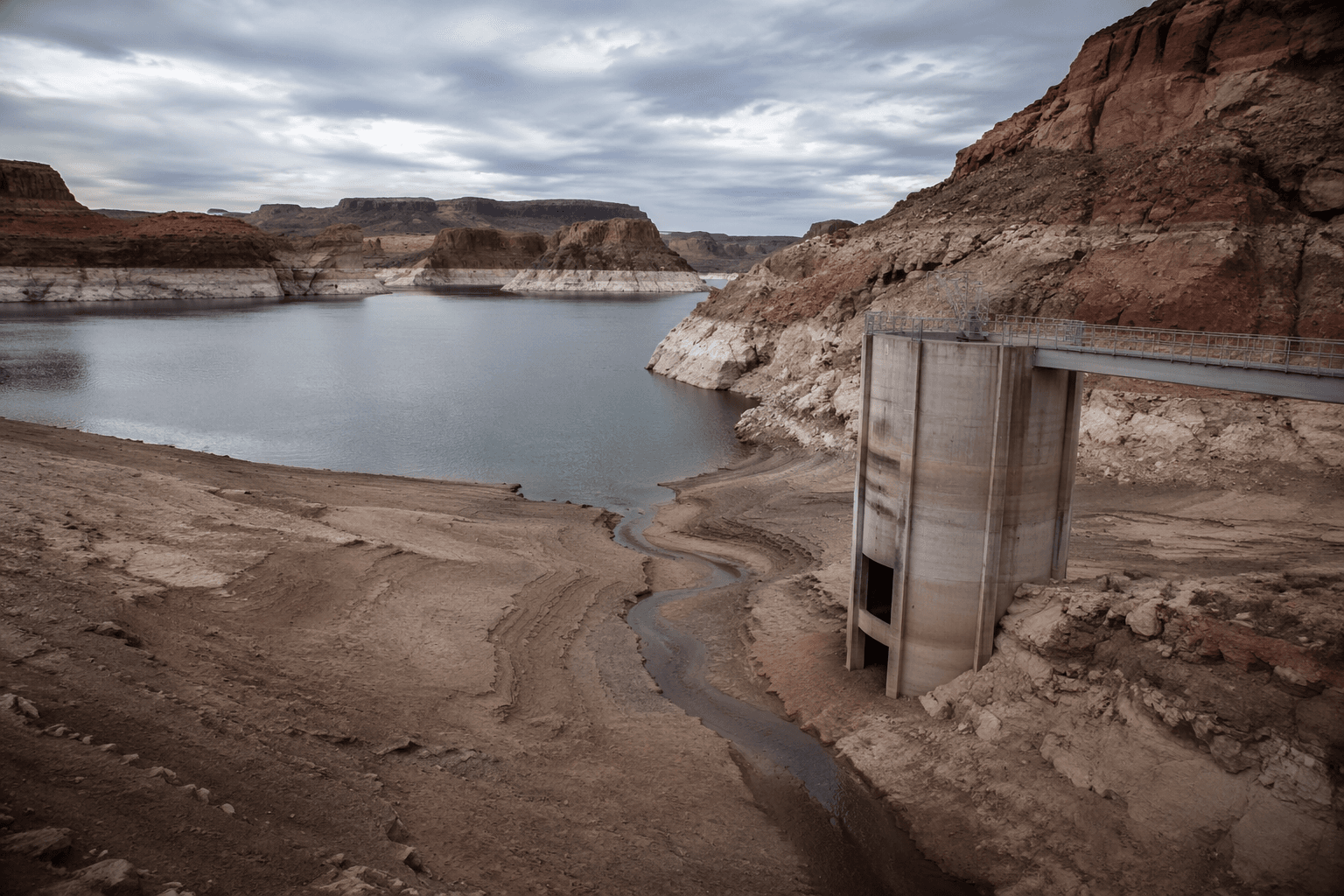
The federal Water Availability Index put Moab at the 5th percentile on June 1, its second-lowest water availability on record. Roughly 95% of the historical record had more surface water available at that point in the year, just as the region braces for the busiest stretch of river runs, trail travel and campsite use.
The dry setup is the result of a weak snow year, rapid spring melt and reduced runoff. Utah’s snowpack was the worst on record, and more than half of the state’s 19 major basins were below the 10th percentile of the Water Availability Index. Ken’s Lake was about 40% full in the June update, down from roughly 70% at the same time last year. Logan Jamison of the Natural Resources Conservation Service anchors the local record at 1988; only 2013 ranks lower for water availability in the Moab area.
Grand Water & Sewer Service Agency voted March 19 to start the irrigation season on April 1 with a 50% restriction on allotted water. Ken’s Lake held 893 acre-feet, or 34%, on March 18, and spring runoff was forecast at only 15% to 20% of average. GWSSA serves about 255 irrigation customers through Ken’s Lake and two wells in the Valley Fill Aquifer, and the reservoir supports agricultural production on at least 7,300 acres in Spanish Valley.
Grand County’s water planning document centers groundwater from the Glen Canyon Aquifer and surface water stored in Ken’s Lake Reservoir for drinking water and irrigation. Grand County is one of Utah’s driest counties and has to plan around growth, tourism and long-term water sustainability.
Grand County approved a 1.5-million-gallon water storage tank for the city on Oct. 21, 2025; officials put the system about 810,000 gallons short of recommended storage needed to meet daily demand while keeping a 1-million-gallon fire-flow reserve.
This article was produced by Prism’s automated news system from verified source data, official records, and press releases, then run through automated quality and moderation checks before publishing. The system is built and supervised by the people who set the standards it runs under. Read our full AI policy.
Know something we missed? Have a correction or additional information?
Submit a Tip