Rope rescue training uncovers illegal dumping near Oowah Lake turnoff
Five bags of household waste turned a four-day rope rescue course near Oowah Lake into a reminder that backcountry trash can threaten both water and rescue work.
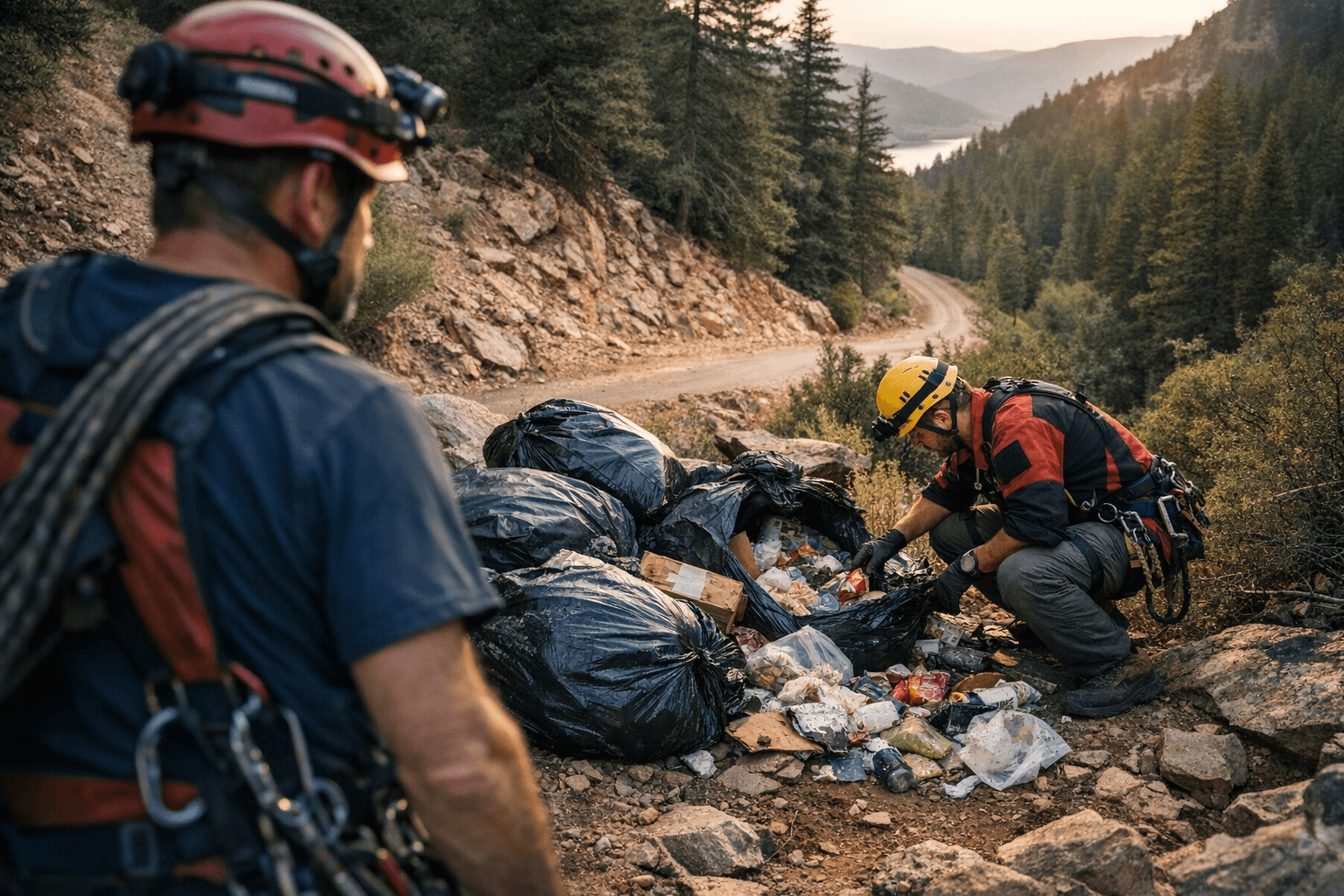
Rescuers training to save people in steep terrain instead found five bags of dumped household waste near the Oowah Lake turnoff, a jarring cleanup on a route better known for alpine views and trail access than for illegal dumping.
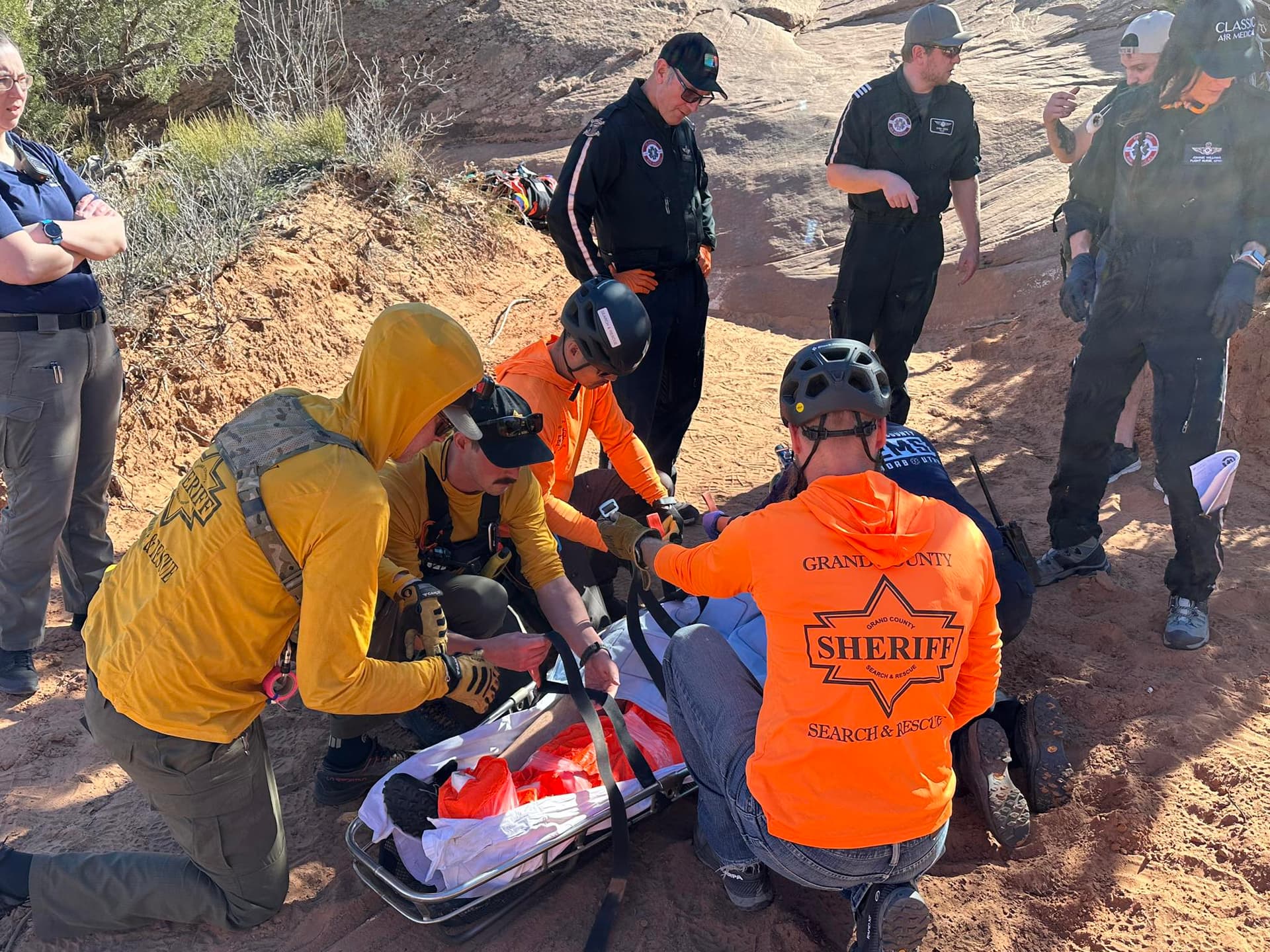
The find came during a four-day rope rescue course near the La Sal Loop Road, where Grand County Search and Rescue members and Swiftwater Safety Institute instructors were working through the basics and mechanics that make vertical rescues possible. The course focused on knot tying, anchor systems and the forces involved in raising and lowering patients, the kind of technical work that matters when an accident happens on a cliff, ledge or other hard-to-reach terrain.
Instead of ending with only drills and pack-up, the final day brought a real-world reminder of how fragile the region’s recreation corridors can be. The waste was found near Mill Creek, close to the Oowah Lake turnoff, in an area tied to hiking, camping and scenic driving in the La Sal Mountains. The U.S. Forest Service describes Oowah Lake as a 2.9-acre lake at 8,800 feet, with an 11-site tent-only campground, a day-use area and access to the Trans-La Sal Trail system, including the Oowah Lake to Clarks Lake Trail, Boren Mesa, Clark Lake Loop and Warner Lake trails.
The location sits along the La Sal Mountain Loop, a paved 60-mile route that begins about 8 miles south of Moab off US-191 and winds through the mountains to Castle Valley and SR 128 before returning toward Moab. That makes the Oowah corridor a shared space for visitors, local users and rescue crews, not just a pullout off a back road.
The dumping also landed in a drainage that matters beyond the trailhead. Moab city water documents identify Mill Creek as part of the combined Mill Creek and Pack Creek hydrologic system that affects Moab’s springs and wells, which means trash left near the creek is not just an eyesore. It is a water-protection problem in a community that depends on those systems.
Grand County Search and Rescue, described by the county as the busiest search and rescue team in Utah, said illegal dumping in remote places can damage the environment and complicate rescue work when crews encounter hazardous materials in the backcountry. The Swiftwater Safety Institute, which trains professional rescue agencies and other responders, was there to sharpen technical skills. Instead, the course doubled as a lesson in stewardship: in Moab country, access, water and emergency response all share the same fragile ground.
This article was produced by Prism’s automated news system from verified source data, official records, and press releases, then run through automated quality and moderation checks before publishing. The system is built and supervised by the people who set the standards it runs under. Read our full AI policy.
Did this article answer your question?