Two ill-equipped hikers rescued from Telluride via ferrata after cliffed out
Two women in their early 20s started Telluride’s via ferrata without food, water or experience, then needed a four-hour nighttime rescue after getting cliffed out.

Two women in their early 20s set out on Telluride’s via ferrata with sparse clothing, no food and no water, then got cliffed out high above the box canyon and needed help getting down. San Miguel County Search and Rescue spent more than four hours on the nighttime mission before escorting them back to their vehicle with no reported injuries.
The call for help came at about 9:55 p.m. Saturday, June 13, after the pair, one from Idaho and one from Utah, were unable to continue down the route. They had started the climb around 6:30 p.m. and had never attempted the via ferrata before, a combination that quickly turned a social-media draw into a technical problem on steep terrain.
For this route, “ill-equipped” meant much more than a light pack. The women lacked food and water, had only minimal clothing for an alpine night, and were on a route local sources describe as moderately difficult, highly exposed and built around fixed iron rungs, cables and handholds. The Telluride line, at the east end of the box canyon, is commonly described as about two miles long and rising roughly 500 to 600 feet above the canyon floor.
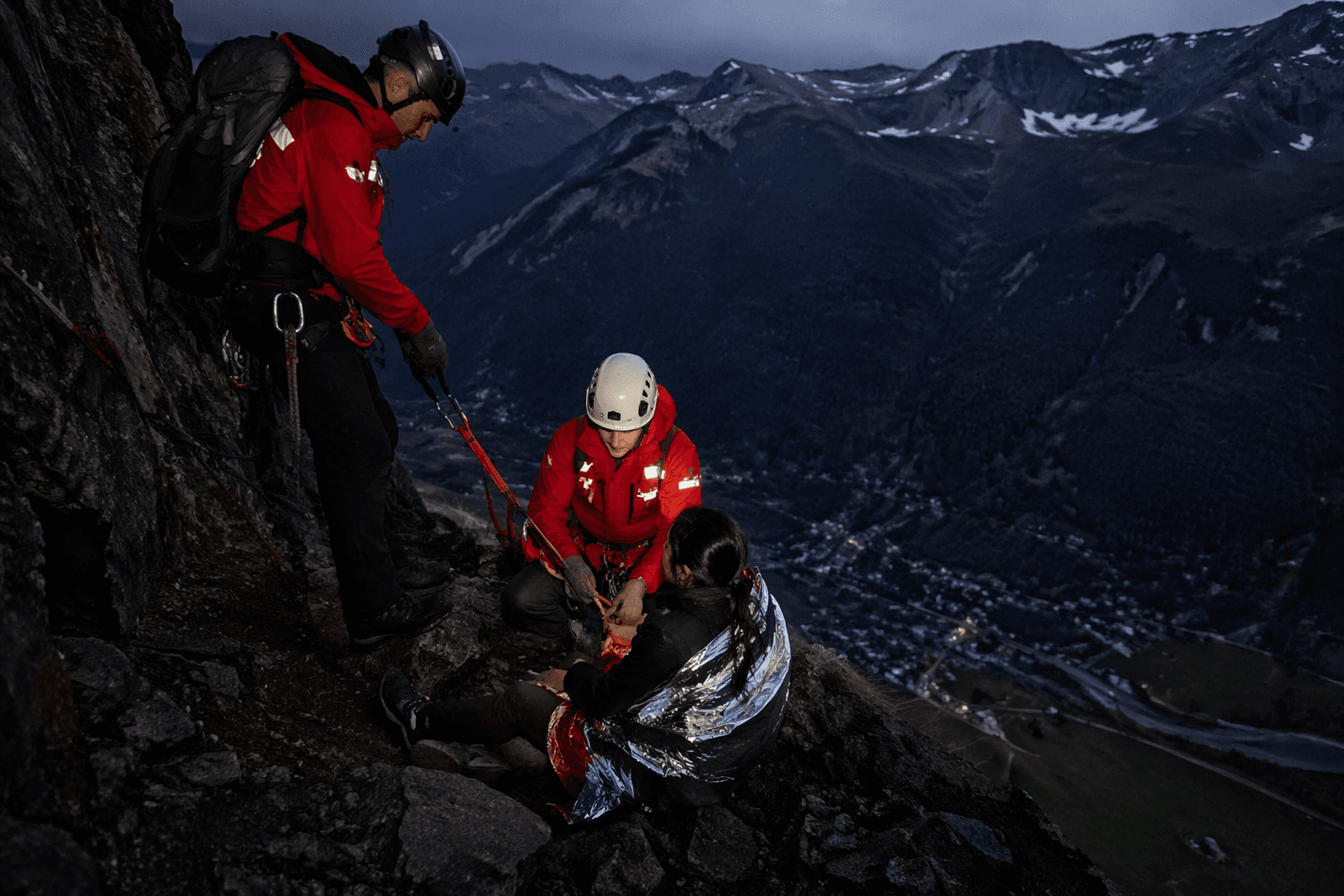
San Miguel County Search and Rescue first tried to talk the hikers down remotely. When that failed, about six SAR personnel went in to make contact, rig a short rappel and guide them back to safer ground. Undersheriff Nick Xavier said the pair could have spent the night stranded on the cliffs, cold and frightened, a risk that hangs over every late start on a route this technical.
The incident fits a pattern county officials have been warning about all summer. In June 2025, after two other out-of-state women were rescued near Bridal Veil Falls, Sheriff Dan Covault reminded visitors to carry proper footwear, clothing, and extra food and water because weather and location can make rescue times unpredictable. The via ferrata itself has also carried a serious record: in August 2021, Anissa Laverne Larson, 53, of Tucson died after a fall of about 200 feet on the route, and investigators later ruled out mechanical failure in the hardware or her equipment.
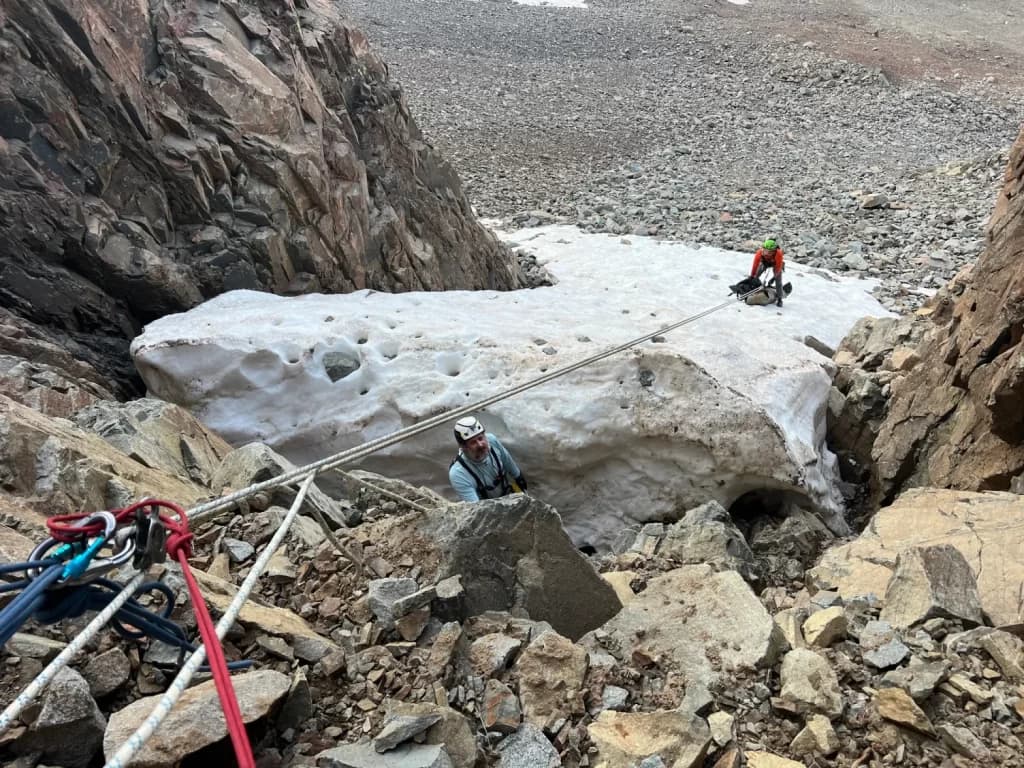
San Miguel County Search and Rescue covers about 1,200 square miles of high desert and high alpine terrain, supported by volunteers and paid specialists. On a route that demands judgment as much as nerve, this rescue was a reminder that the biggest mistake often comes before the first rung.
This article was produced by Prism’s automated news system from verified source data, official records, and press releases, then run through automated quality and moderation checks before publishing. The system is built and supervised by the people who set the standards it runs under. Read our full AI policy.
Know something we missed? Have a correction or additional information?
Submit a Tip