Utah Black Bears Emerge, Wildlife Officials Urge Safer Campsite Food Storage
More than half of Utah’s recorded bear conflicts involved food or garbage, and 40% happened at campsites, a sharp reminder for canyon-country campers.
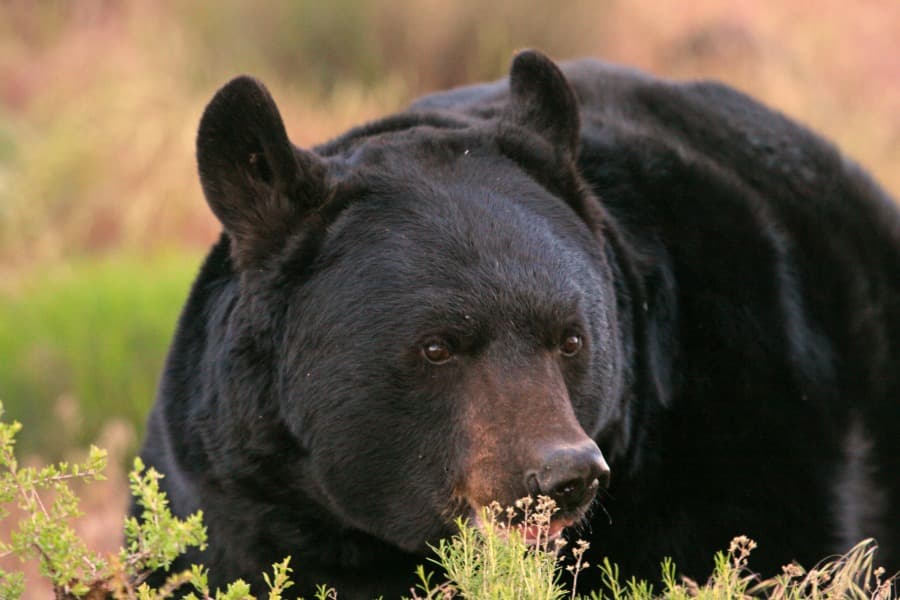
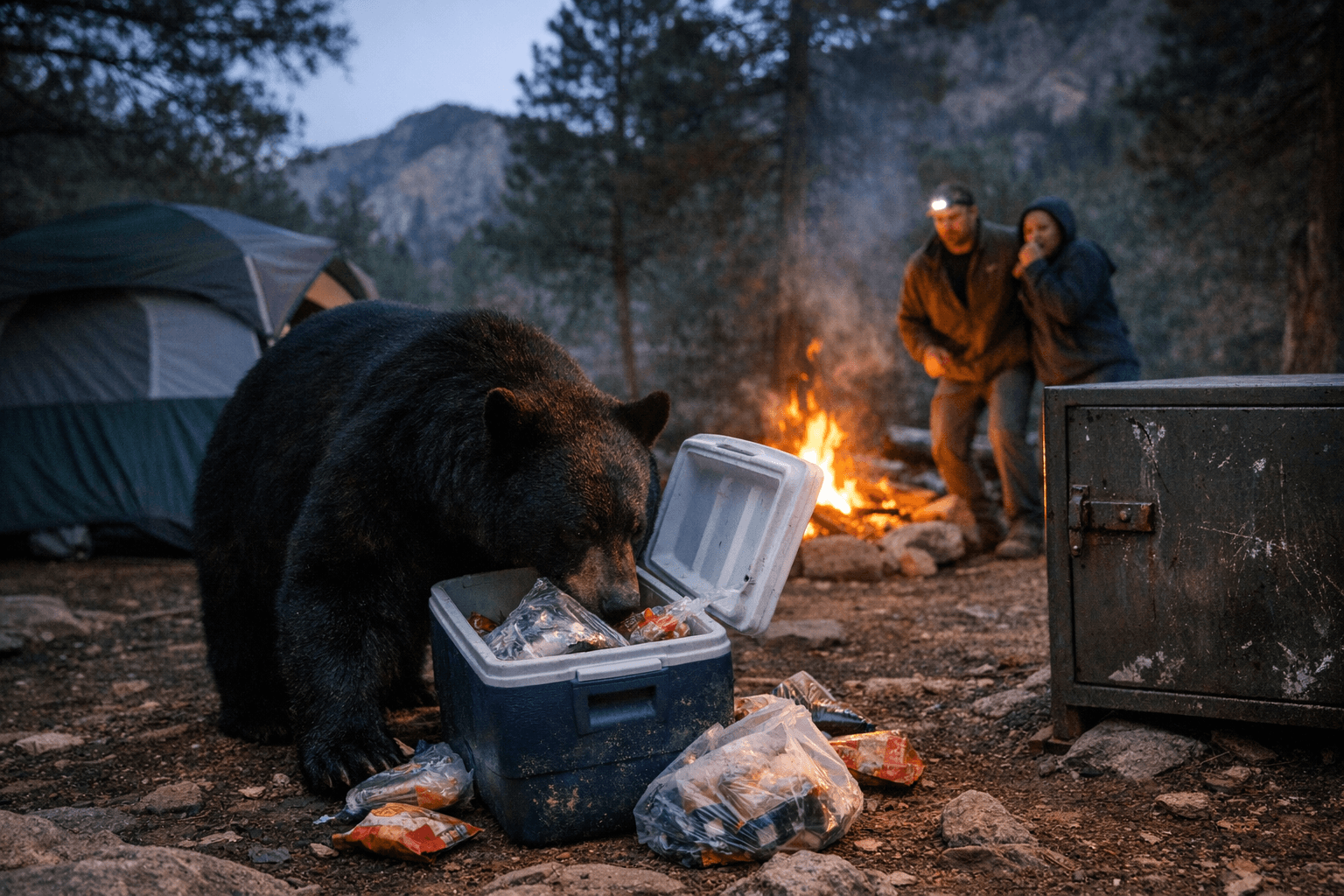
A cooler left in the open can ruin a weekend fast in Utah’s foothills and canyon country, because a black bear that finds food does not just sniff and wander off. It can come back, tear through a campsite, and turn a quiet spring night into a dangerous encounter or a closed area. With bears coming out of hibernation again, the Utah Division of Wildlife Resources said the safest move is to get every scented item locked away before the first tent goes up.
The agency issued its spring guidance on April 13, saying black bears are the only bear species in Utah and range across most of the state except the West Desert. They typically emerge from dens in March or April, depending on snow conditions, and in spring their diet is about 90% plants and insects. That changes quickly when a bear learns that garbage, coolers, snacks, cooking leftovers or other scented items are easier to find than wild food.
The storage rules are blunt for a reason. Food, snacks, deodorant, toothpaste and anything else with a scent should be kept where a bear cannot reach it, such as a locked trailer or a car trunk, not a tent or an open picnic table. Camp kitchens need to stay clean, and grease or cooking oil should never be poured onto the ground. Put it in a container and take it home. The National Park Service adds that trash, ice chests, sunscreen, bug repellent and food-prep items all need the same treatment, because bears quickly learn where rewards are waiting.
Drought adds another layer of risk. Utah DWR says dry conditions can reduce the plants and root-like vegetation bears depend on, pushing them toward alternate food sources later in the year and increasing conflicts around garbage and campsites. Black bears usually avoid people, but that instinct can break down once food is involved, and the animal may become aggressive toward people or pets it sees near the source.
The warning fits a long pattern in Utah. A study of human-black bear conflict recorded 224 events from 2003 to 2013, including 10 attacks, 208 property-damage incidents and 6 vehicle collisions. Forty percent happened at campsites, 78% happened in summer, and more than half involved food or garbage being available to the bear. Utah’s Black Bear Management Plan 2023-2035, approved by the Wildlife Board on January 3, 2023, is built around keeping a healthy bear population while also weighing human safety, economic concerns and other wildlife species. The 2024 black bear annual report, prepared by Heather H. Bernales and Darren DeBloois, pulls statewide trends back to the 1960s, underscoring how long Utah has been tracking the same lesson: leave no reward behind.
This article was produced by Prism’s automated news system from verified source data, official records, and press releases, then run through automated quality and moderation checks before publishing. The system is built and supervised by the people who set the standards it runs under. Read our full AI policy.
Did this article answer your question?