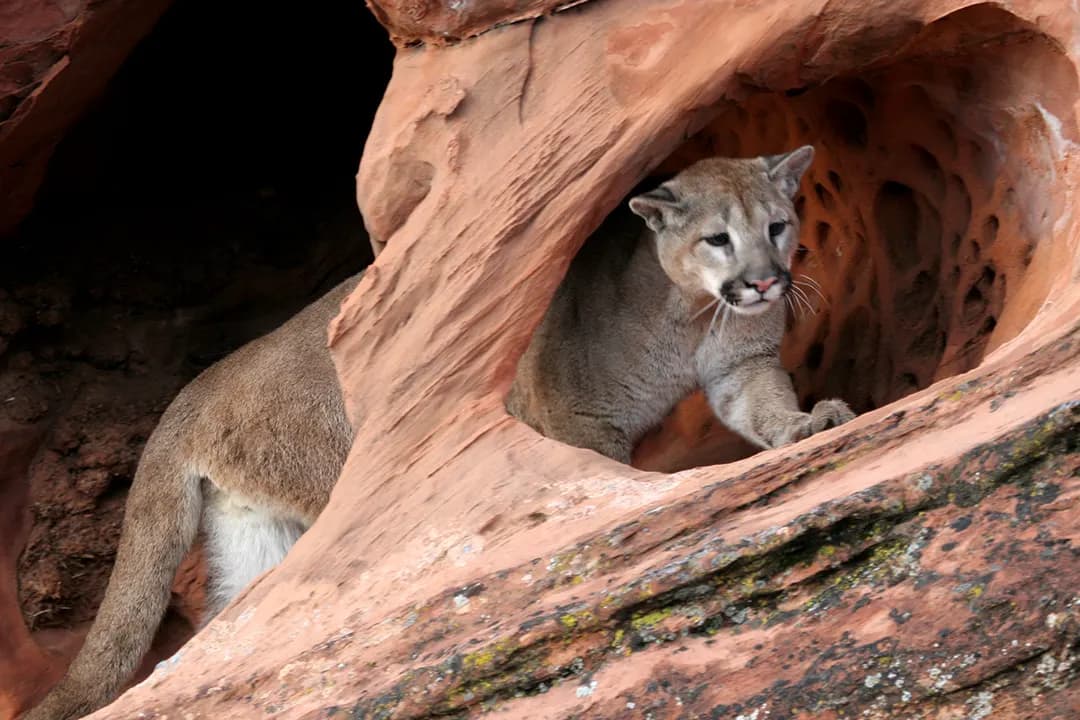
Utah hikers urged to prepare for rare mountain lion encounters
Utah’s cougar warning is really a trail-planning guide. The odds are low, but the safest outings in canyon and foothill country start with smart timing, groups, and a response plan.

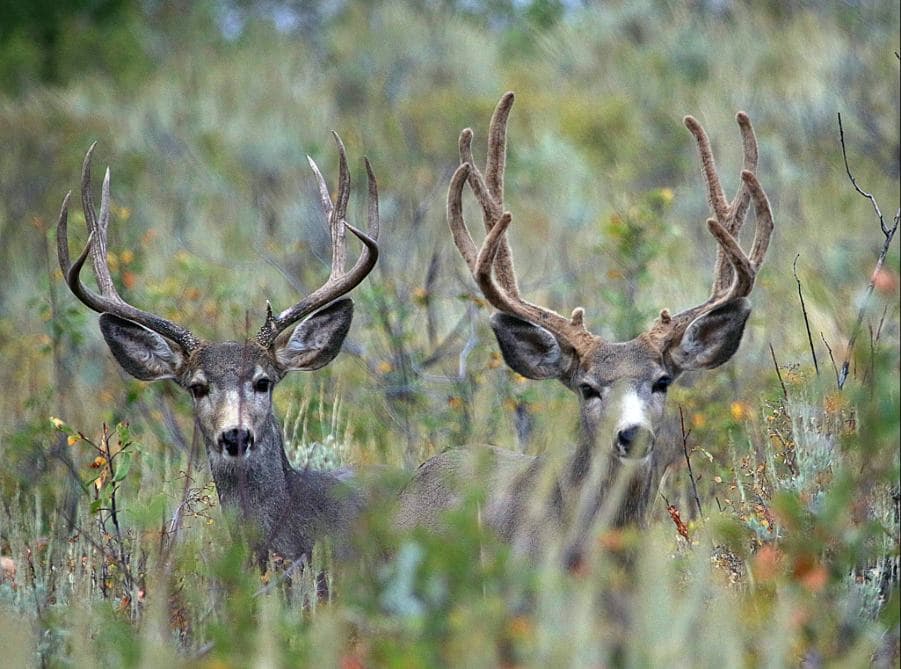
A mountain lion encounter is still a rare event in Utah, but hikers and trail runners in Moab and across the Four Corners are being urged to plan for one anyway. The message from wildlife officials is simple: do not treat cougar country like a place where nothing can happen, especially in foothill and canyon terrain where deer, people, and big cats share the same ground.
Why the warning matters now
Utah Division of Wildlife Resources issued a cougar-safety advisory on May 4, 2026, and it lands at exactly the right moment for warm-season recreation. Cougars, mountain lions, and pumas are the same animal, and they are found throughout Utah, usually in foothill and canyon areas. In winter, they can also show up in valleys when they follow deer to lower elevations.
That does not mean Utah trails are suddenly dangerous. It does mean the risk is concentrated in places and times that many runners and hikers already favor, including areas frequented by mule deer and the low-light edges of the day. Dawn and dusk are the most important windows to respect, because that is when cougars typically hunt and visibility is weakest.
Where the odds are highest on trail
For most people, the biggest mistake is assuming a cougar is equally likely everywhere. It is not. The wildlife guidance points to mule-deer country first, which is why foothill routes, canyon bottoms, and transitions between open desert and brushier terrain deserve extra attention. Those are the places where wildlife movement and human recreation overlap most often.
That overlap matters in Moab and the wider Four Corners because so much local recreation happens exactly where deer travel, rest, and feed. A solo run through a drainage, a quiet hike along a rim at sunrise, or a family walk near a brushy wash is a different situation than a busy trail at midday. The cat is not hunting people, but people can still surprise it, especially when the trail is quiet and the light is poor.
What to do before you go
The simplest prevention steps are the ones people ignore when they are in a hurry to get moving. Wildlife officials recommend not hiking or jogging alone, traveling in groups, avoiding headphones, and making noise so you are not the silent object entering animal space. In practice, that means talking, clapping occasionally in brushy or blind corners, and staying alert enough to notice tracks, movement, or fresh sign.
It also means planning around the landscape instead of just the mileage. If a route cuts through canyon cover at dawn, consider pushing the start time later. If you are running with a dog or bringing kids, think about how easy it will be to keep everyone together and aware. The goal is not to scare anyone off the trail. It is to make the trail a less likely place for a surprise encounter.
Wildlife officials also say to leave an area if you find a dead animal that may be a cougar kill. That is one of the clearest signs you are in a place where the cat has recently been active, and it is not a spot to linger, photograph, or investigate closely.
A practical response guide if you meet a cougar
When a cougar is encountered, the rules change quickly. Do not run. Running can trigger a chase response, and the best first move is to stay upright, keep the animal in sight, and back away slowly.
1. Hold your ground and keep eye contact. Do not turn away or crouch down.
2. Make yourself look bigger. Raise your arms, open your jacket, and appear larger than you are.
3. Back away slowly. Give the animal space without sudden movements.
4. Do not run. Keep moving in a controlled way and stay facing the animal.
5. If attacked, fight back. Wildlife guidance is explicit on this point.
That response may sound blunt, but it is the clearest path through a rare but serious situation. The widely shared 2020 Slate Canyon encounter involving Kyle Burgess, which went viral after a six-minute face-to-face confrontation near Provo, became a public-safety reference for a reason. It showed how important it is to stay composed, stay visible, and keep the cat from feeling like it has cornered you.
After the encounter, know what counts as a report
Not every cougar sighting needs to be called in. The Utah Division of Wildlife Resources says a one-time sighting in open terrain typically does not need to be reported. That is an important distinction because more people are recreating in cougar habitat, and home security cameras are now capturing more animal movement than ever before.
Report the encounter if the cougar acts aggressively, if there is a kill in a yard or residential area, or if the animal keeps showing up on cameras again and again. Those are the situations that signal a potential public-safety issue rather than a passing wildlife moment. The increase in sightings does not necessarily mean more danger. It often means more people are in the places cougars already use.
Why this is part of normal summer trail life
The broader lesson is not to fear the hills. It is to recognize that Utah’s outdoor season comes with wildlife built into the scenery. Cougars mainly prey on deer, but they also eat elk, pronghorn, small mammals, and sometimes birds, which is another reminder that they belong to the same food web as the trails we use.
The scale of the threat is still small. The Deseret News reported in May 2025 that there had been only 29 fatal cougar attacks in North America since 1868, according to the Mountain Lion Foundation. That number is exactly why officials are talking about awareness instead of alarm. The odds are low, but a smart start, a noisier trail, and a clear response plan are what keep a routine Moab outing from becoming a problem in the first place.
This article was produced by Prism’s automated news system from verified source data, official records, and press releases, then run through automated quality and moderation checks before publishing. The system is built and supervised by the people who set the standards it runs under. Read our full AI policy.
Did this article answer your question?