Rockstar Helps Grant Terminally Ill Fan Early GTA 6 Playtest After Plea
Rockstar arranged an early GTA 6 playtest for a terminally ill fan after a public plea, showing studios can make compassionate exceptions while protecting privacy.
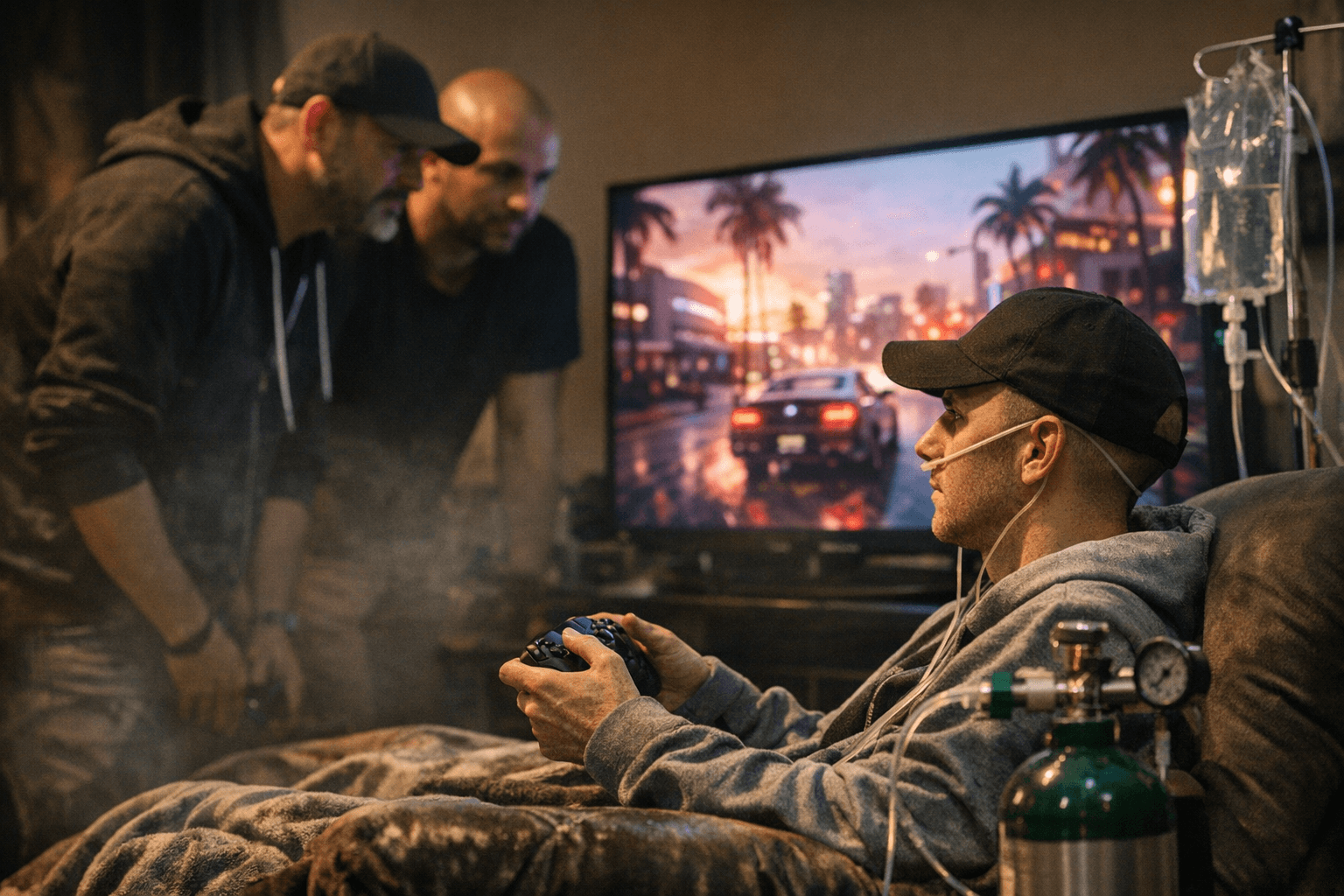
Rockstar quietly arranged an early playtest of GTA 6 after a public LinkedIn plea from Ubisoft Toronto developer Anthony Armstrong, giving a longtime fan facing a terminal cancer diagnosis a chance to play before launch. The request, framed around an estimated 6-12 month prognosis, prompted outreach that led Armstrong to announce he had received "great news" after speaking with Rockstar and to thank those who helped.
Armstrong initially used LinkedIn to explain that a family member unlikely to live until GTA 6's release was a devoted fan and asked Rockstar, Take-Two and related contacts for help arranging a private session. The update that followed referenced outreach from Take-Two's CEO and credited unspecified assistance that allowed the visit to move forward. The original LinkedIn post was later deleted; reporting indicates Rockstar likely requested confidentiality for legal reasons tied to non-disclosure and internal playtest policies.
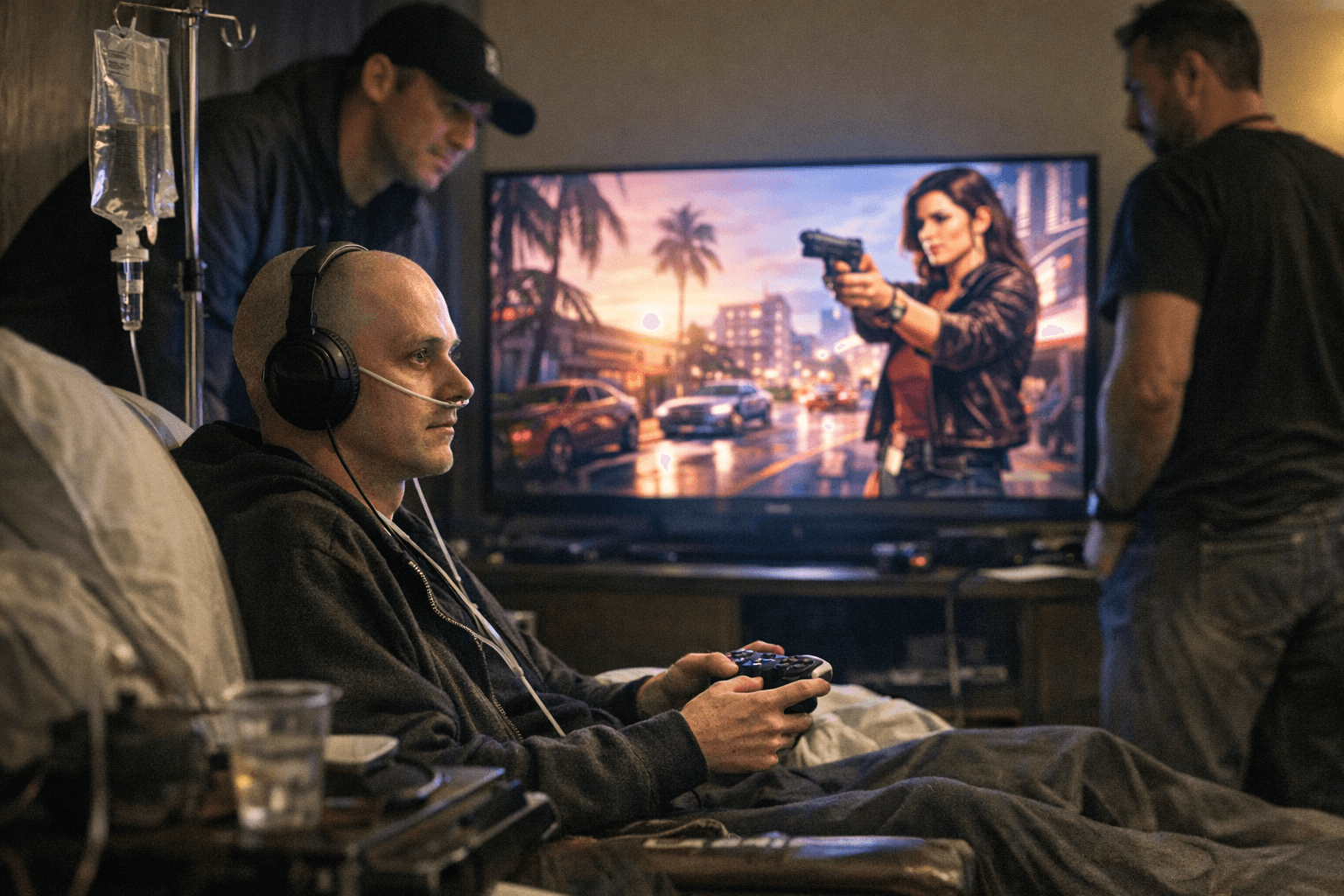
The episode is notable beyond the human element because it reinforces how major studios balance fan goodwill, legal constraints and the logistical realities of pre-release builds. Rockstar and its parent Take-Two control access tightly for quality and legal reasons, yet past precedents exist for compassionate exceptions - similar accommodations were made when Red Dead Redemption 2 was given to a terminally ill fan. For the GTA community, this shows there are channels for extraordinary requests but also firm limits driven by NDAs, proprietary code and review schedules.
Practically, the story matters to players and modders who track access, testing and community engagement. Early playtests remain rare and usually involve vetted testers under strict confidentiality; a one-off compassionate arrangement does not change that system but does illustrate that studios can act personally in exceptional cases. It also spotlights the need to respect privacy when private appeals surface: deleted posts and requests to withhold details suggest companies will ask families and employees to keep arrangements quiet to avoid leaks and legal exposure.
Fans wanting to help or petition studios should act with tact and realism. If you reach out, be concise, state the exceptional circumstances, and be prepared for a refusal or a request to keep details private. Public campaigns or pressure can backfire and compromise someone’s wish for a peaceful, private experience.
For the GTA community, the incident is a reminder that the franchise exists within real lives and that developers sometimes use their influence for personal impact. Expect no broad change to Rockstar's playtest policies, but take this as a sign the company will make accommodations in extraordinary cases while guarding pre-release material closely.
This article was produced by Prism’s automated news system from verified source data, official records, and press releases, then run through automated quality and moderation checks before publishing. The system is built and supervised by the people who set the standards it runs under. Read our full AI policy.
Did this article answer your question?