Alaska judge overturns law limiting live music at breweries, distilleries
A judge ruled that Alaska's four-event cap on live entertainment at makers' taprooms violated the First Amendment, reopening possibilities for regular live shows. Taprooms can plan more events but should watch for appeals and regulatory review.
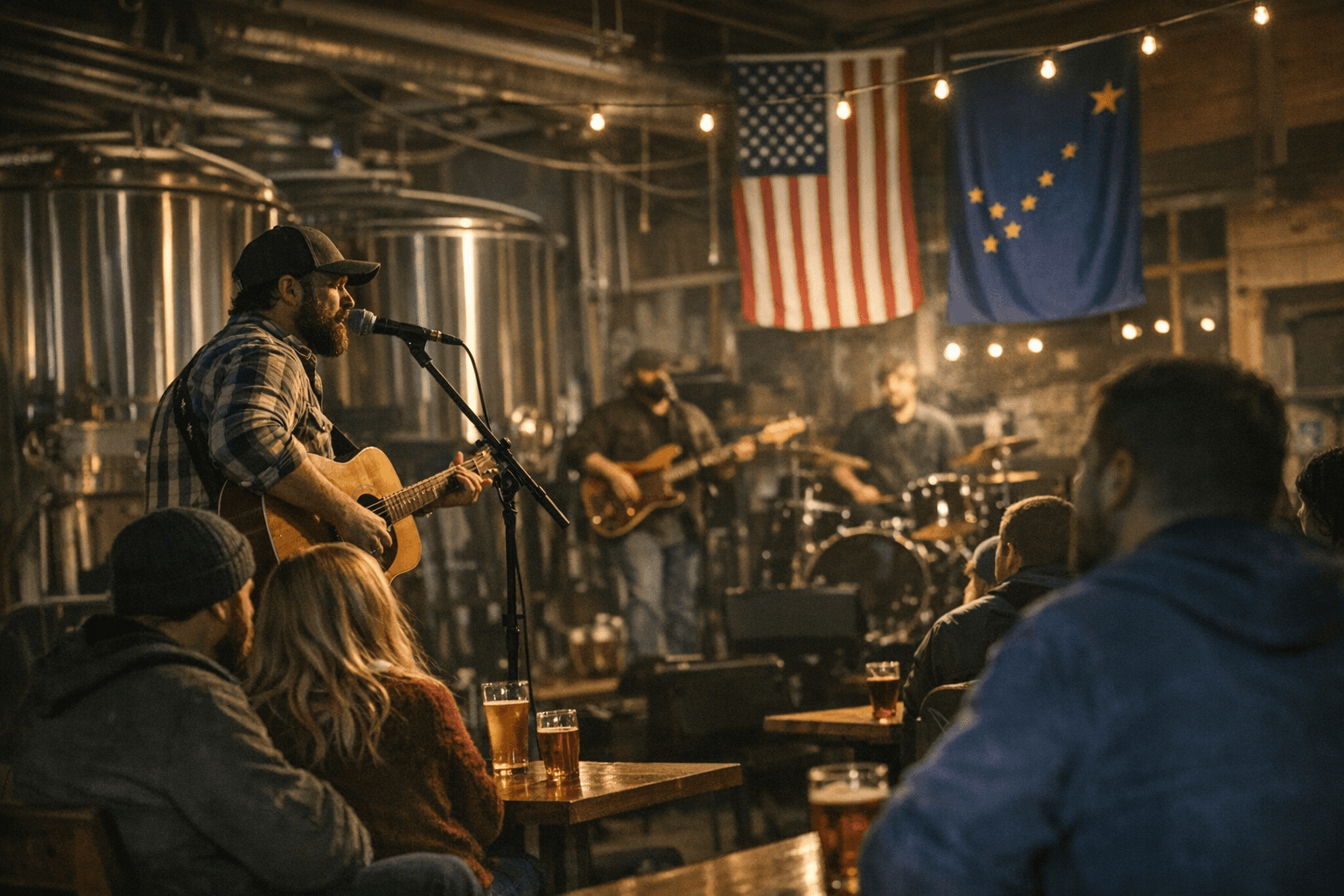
An Alaska Superior Court judge has struck down a state law that limited breweries, distilleries and wineries to just four live-entertainment events per year, finding the restriction an unconstitutional restraint on free speech. Judge Adolf Zeman issued the ruling on January 15, 2026, saying the statute singled out alcohol manufacturers while allowing bars to host unlimited events and failed to meet First Amendment scrutiny.
The suit was brought by three alcohol manufacturers who argued the cap burdened expressive activity in production taprooms and tasting rooms in a way that regulations for bars did not. The decision removes that numerical ceiling, immediately changing how many taproom operators and small producers can think about booking musicians, comedy nights, album-release parties and other community-facing programming.
The ruling does not wipe the slate clean for all taproom rules. Judge Zeman left in place other non-speech-related restrictions, including prohibitions on items like pool tables. State regulators said they are reviewing the order and have not yet signaled whether they will appeal, so the decision could be subject to higher-court review. The Brewers Guild of Alaska and local beer stakeholders welcomed the outcome as a win for live music and small venue operators.
For taproom operators and community-oriented craft businesses the practical upside is clear: more latitude to schedule recurring and ad hoc live events that help drive traffic to the taproom, elevate local bands and expand on-site hospitality offerings. Regular programming can strengthen taplists, increase food and beer sales and turn quieter weekday hours into reliable revenue streams. Booking agents and musicians who rely on small venues should find a fuller calendar as operators regain the ability to host events beyond a four-show limit.
That said, operators need to proceed with measured steps. With the possibility of appeal and a regulator review underway, verify local licensing requirements, noise ordinances and any permit rules before advertising expanded programming. Keep documentation of approvals, consult legal counsel or trade groups about compliance, and maintain clear distinctions between speech-protective activities and elements of operation that remain regulated.
This ruling marks a regulatory shift for Alaska's craft alcohol scene, restoring a tool many taprooms use to build community and showcase local talent. Expect a faster return of live nights, pop-up concerts and collaborative events on tap, just keep an eye on the appeals process and regulator guidance as you plan the next booking.
This article was produced by Prism’s automated news system from verified source data, official records, and press releases, then run through automated quality and moderation checks before publishing. The system is built and supervised by the people who set the standards it runs under. Read our full AI policy.
Did this article answer your question?