Baltic Porter Revival: History, Lagering Techniques and Brewing Tips
Baltic porter saw renewed interest after International Baltic Porter Day highlighted its history and cold-lagering techniques, offering homebrewers a pathway to classic smoothness and rich malt character.
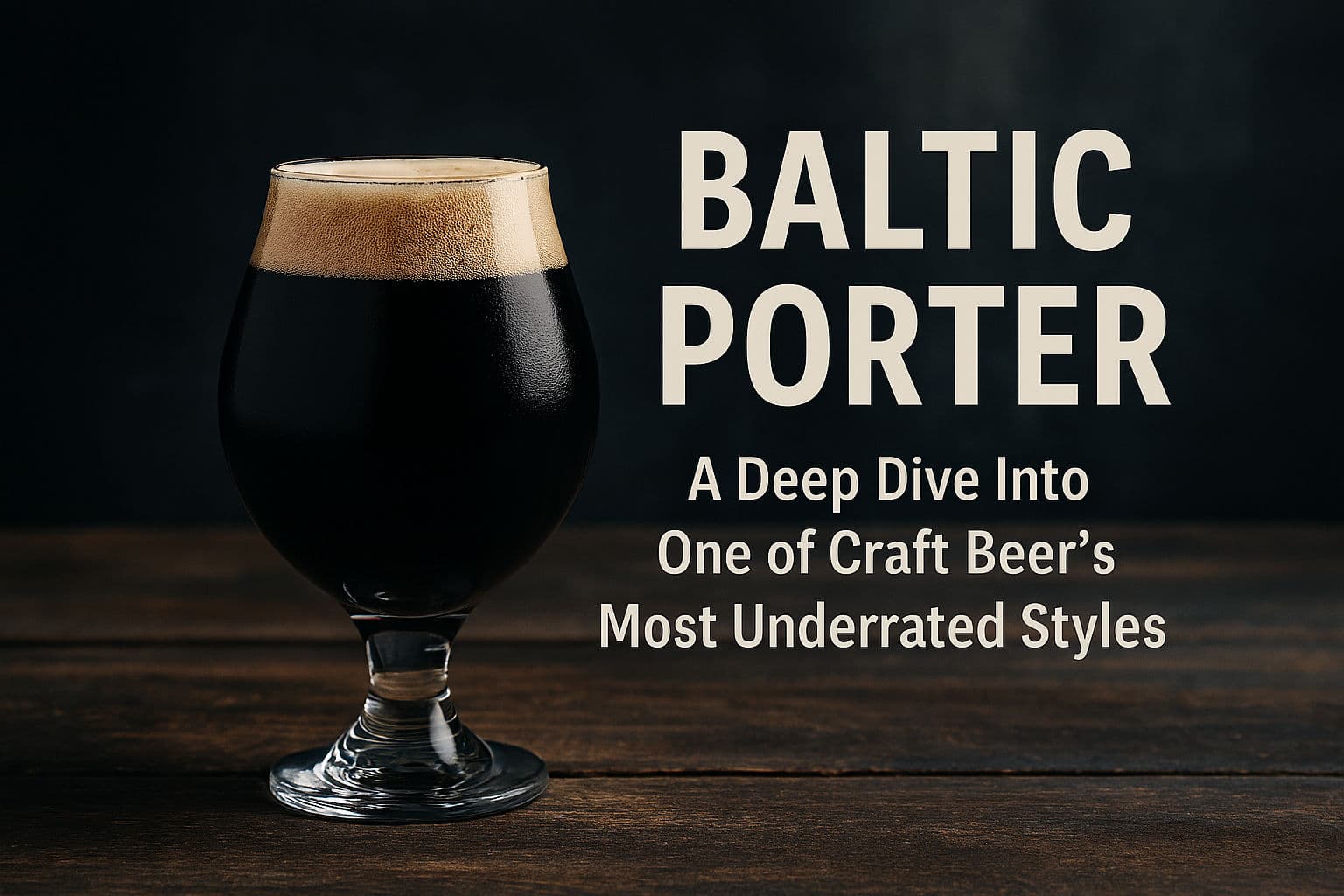
Baltic porter is enjoying a clear revival as brewers and homebrewers return to the style’s original cold-fermentation and extended lagering methods to recover its signature smooth roast and malty clarity. The style traces back to strong English porters exported across the Baltic Sea and adapted by colder-climate brewers, who used cool fermentation and long conditioning to tame roasted character and integrate dark sugars into a silky, warming package.
History matters because technique defines the profile. Cold fermentation and subsequent lagering are not cosmetic steps - they produce the clean roast and restrained fruitiness that separate Baltic porter from stout or English porter. Typical tasting notes run from rich malt body and toffee to dark fruit and a smooth alcohol warmth, making the beer a natural pairing for braised meats, aged cheeses, and bittersweet chocolate. Several modern craft breweries have reintroduced Baltic porter releases and seasonal offerings, prompting amateur brewers to revisit historical methods rather than leaning on heavy adjuncts or quick conditioning.
For brewers, practical details determine success. Build a malt bill around robust base malts with measured additions of dark malts and dark sugars to supply depth without drying the finish. Consider restrained adjunct use so specialty grains and sugars remain complementary rather than dominant. Yeast selection is crucial; choose strains that produce a clean, lager-like finish, then control pitching and conditioning temperatures to favor slow, even attenuation. Extended cold conditioning - lengthy lagering - is essential to smooth harsh roast notes and marry the malt and sugar-derived flavors. Patience in conditioning yields the hallmark silky texture and integrated alcohol warmth.
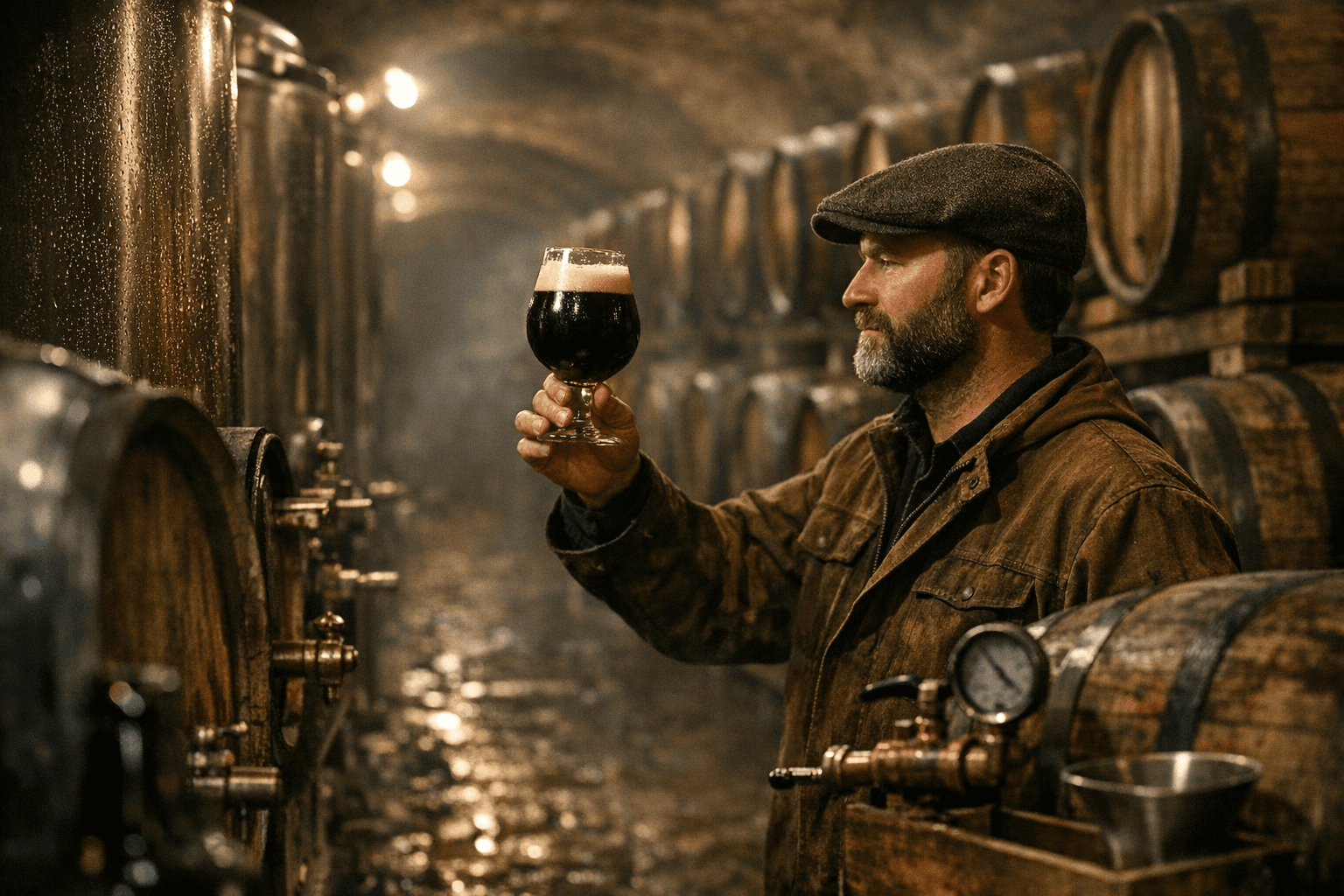
On January 17, 2026, International Baltic Porter Day offered a focal point for community tastings and recipe swaps, and it underscored a communal appetite for historically informed brewing. Homebrew clubs used the date to compare approaches to mash schedules, sugar additions, and lagering lengths, while taprooms highlighted single-batch releases showing wide stylistic range from lean and roasty to richer, fruit-forward takes.
What this means for brewers is straightforward: prioritize fermentation control and time over gimmicks. Try a conservative adjunct strategy, treat lagering as a core part of the schedule, and taste periodically through conditioning to judge when roast and malt have integrated. The Baltic porter revival rewards careful technique, and for those willing to wait, lagering patience pays dividends in a beer that balances history, depth, and drinkability.
Know something we missed? Have a correction or additional information?
Submit a Tip