Beginner's Guide to Brewing Beer at Home on a Budget
Learn how to brew a tasty, low-cost batch of beer using basic kitchen tools and approachable techniques. This guide walks you through the exact timeline, essential equipment, step-by-step brew day, fermentation expectations, and community resources to get your first 32-serving batch in the bottle.
1. Why Start with an Easy Extract Brew
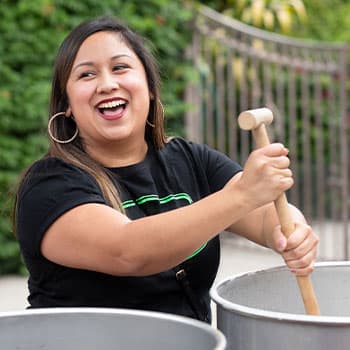
Begin with an extract-style batch to minimize equipment, technique errors, and cost. The typical starter recipe, an Easy Amber Ale, produces about 32 12-oz servings for roughly $35 in ingredients, giving you a full keg or several cases of bottles for a modest outlay. This approach keeps your first brew day to about three hours and fermentation to two to three weeks, so you get results quickly and stay motivated to keep learning.
2. Plan and Gather Ingredients
Choose a straightforward recipe like the Easy Amber Ale or select a similarly simple extract recipe to reduce variables. For a 32-serving batch you''ll need malt extract, hops, yeast, and water; the AHA example estimates ingredient cost at about $35. Buying basic ingredient kits from a local shop or online bundle helps you get the right quantities and keeps the math simple.
3. Essential Equipment Primer
Start with this compact list of equipment that you can find in a kitchen or buy cheaply from a homebrew shop: fermenter (bucket or carboy), airlock, brew pot, heat source, siphon/tubing, cleaner, sanitizer, hydrometer, and thermometer. Each item has a clear role: the fermenter holds your beer safely, the airlock lets CO2 escape without contamination, the hydrometer checks gravity for ABV and fermentation progress, and a reliable thermometer helps control temps. Sanitizer and good cleaning practices are non-negotiable, sanitation is one of the biggest determiners of success.
4. Suggested Upgrades for All-Grain and BIAB
When you''re ready to move beyond extract brewing, invest in a few upgrades that make all-grain or brew-in-a-bag (BIAB) brewing practical: a larger brew pot (or dedicated kettle), a mash tun or insulated cooler, a false bottom or fitted grain bag for BIAB, improved heat source (propane burner), and optional recirculation or pump systems for temperature control. These upgrades let you control mash temperature and efficiency and expand your recipe possibilities while still being approachable for homebrewers.
5. Brew Day Step-by-Step (Three-Hour Target)
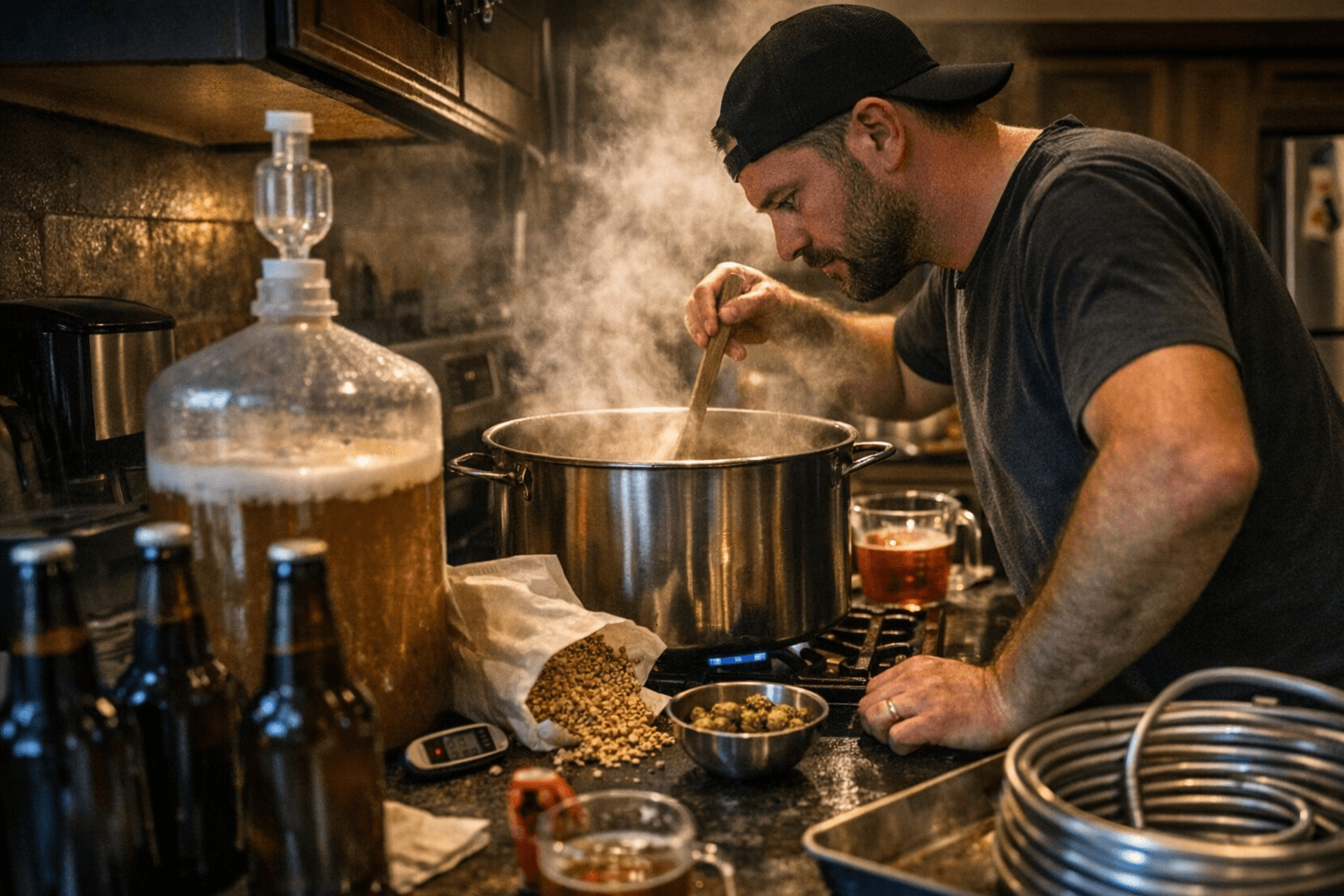
1. Sanitize all equipment that will touch wort or beer, take this step seriously to avoid infections.
2. Heat water and steep specialty grains if using an extract recipe, then remove grains and add malt extract to the pot while stirring to prevent scorching.
3. Bring wort to a boil and follow the hop schedule in your recipe; note boil times for bitterness and aroma additions.
4. Cool the wort quickly (ice bath or wort chiller) to yeast pitching temperatures, transfer to the fermenter, top up with water to batch volume, aerate, and pitch yeast.
Each major stage above can be completed in a combined total of about three hours for a basic extract brew, making it a realistic single-day project.
6. Fermentation and Conditioning Expectations (2–3 Weeks)
Primary fermentation for a simple ale typically runs two to three weeks before conditioning. Use a hydrometer to confirm fermentation is complete, when specific gravity readings are stable over 48 hours you can move to bottling or kegging. Temperature control and healthy yeast are crucial during this stage; keep your fermenter in a stable environment appropriate to the yeast strain to avoid off-flavors.
7. Packaging: Bottling and Kegging
Once fermentation is complete, choose between bottling and kegging. Bottling requires sanitizing bottles, adding priming sugar for natural carbonation, and patience for carbonation to build (often one to two weeks). Kegging requires more upfront hardware but gives faster and more reliable carbonation control and makes serving at gatherings easier, both options let you share your beer with the community.
- Sanitation: Proper cleaning and sanitizing prevent infections that ruin batches.
- Temperature control: Keep fermentation within the yeast''s recommended temperature range to avoid off-flavors.
- Yeast health: Use fresh, appropriate yeast and pitch the right amount; consider a starter for low cell-count strains.
- Follow the recipe: Especially for your first batches, stick to the steps and measurements to learn predictable results.
8. Priorities for Consistent Success
These priorities are the core of consistent brewing and what will improve your results more than fancy equipment in the early stages.
- If gravity doesn''t drop as expected, check temperature and hydrometer technique, warm wort reads lower specific gravity.
- If off-flavors appear, revisit sanitation and fermentation temperature control, these are the two most common causes.
- Record everything in a brew log so you can reproduce successes and correct problems; note boil times, hop additions, temperatures, and gravity readings.
9. Troubleshooting and Practical Tips
Simple, consistent records and small fixes yield big improvements across batches.
10. Community Resources and Next Steps
Tap into local homebrew clubs and shops for hands-on advice, ingredient sourcing, and bottle/kegging equipment. The American Homebrewers Association curates resources such as step-by-step videos (including BIAB tutorials), medal-winning recipes, Zymurgy magazine articles, and directories for homebrew clubs and shops to help you find mentors and supplies. Joining a club or attending a local brew day accelerates learning, helps you troubleshoot real problems, and builds friendships around your beer.
11. Why This Approach Works for You and Your Neighborhood
This low-cost, approachable method gets you producing shareable beer quickly so you can bring something to community events, swap bottles with neighbors, or enter local homebrew competitions with confidence. The modest time and money investment lowers the barrier to entry and connects you to a welcoming network of brewers who trade tips, recipes, and support, the best part of the hobby.
Finish your first batch, taste what you made, and adjust one variable at a time. Brewing is practical, social, and endlessly rewarding, start simple, learn fast, and bring your community along for the ride.
This article was produced by Prism’s automated news system from verified source data, official records, and press releases, then run through automated quality and moderation checks before publishing. The system is built and supervised by the people who set the standards it runs under. Read our full AI policy.
Did this article answer your question?