Craft beer in 2026: moderation, collaboration and local reinvention
Industry trends point to flavor, moderation, and local reinvention shaping craft beer in 2026. Brewers and homebrewers will feel pressure to balance creativity with intentional strategy.
As the calendar turned to 2026, the craft beer scene shifted from expansion to refinement. Recent tracking of releases, closures and collaborations laid out a clear set of forces shaping the year: legacy brands refreshing identities, fruit-forward beers and flavored lagers proliferating, a surge in non-alcoholic innovation, and sustainability and hyper-local sourcing moving from goodwill to competitive edge.
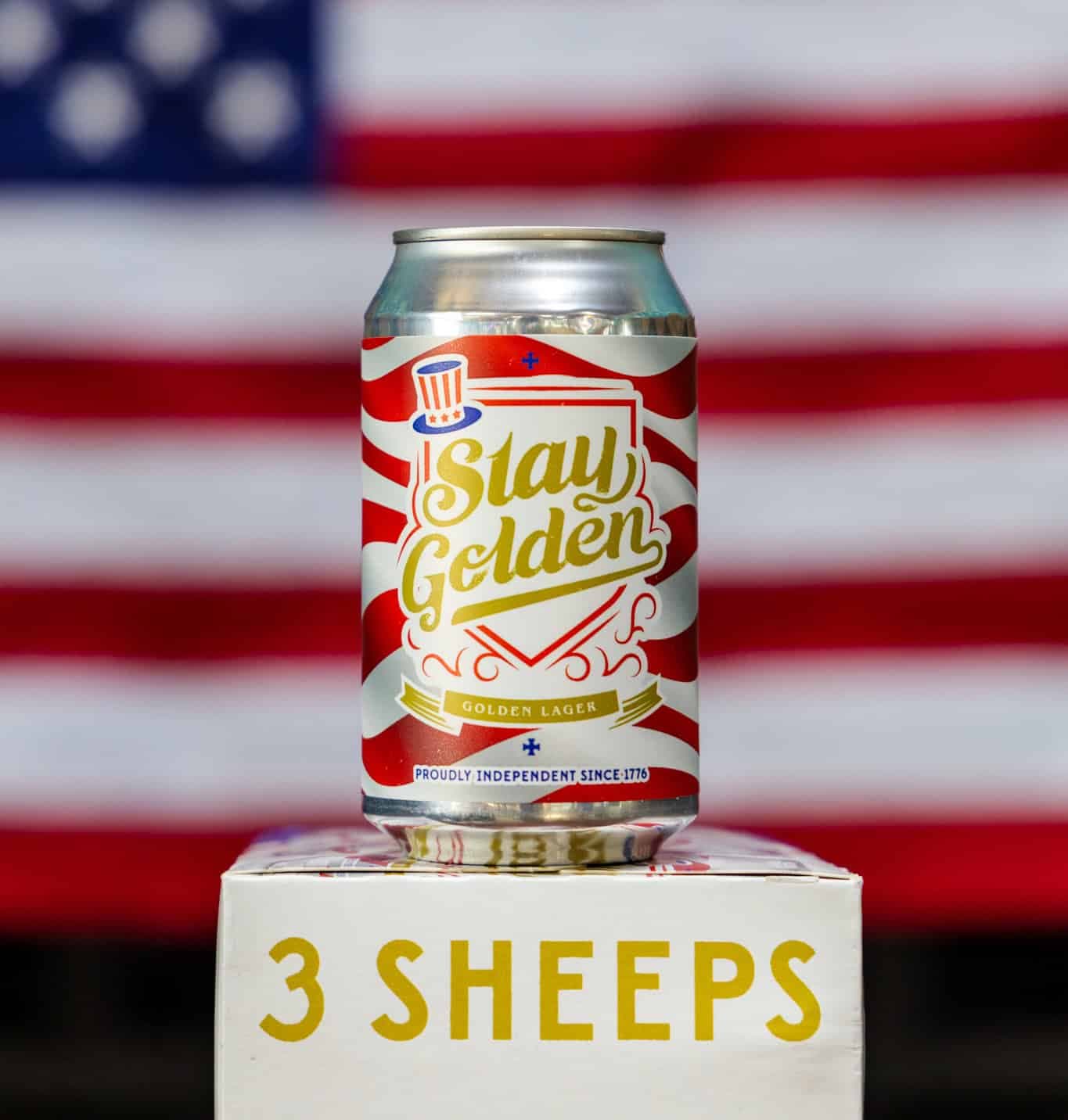
Legacy breweries are leaning into storytelling and nostalgia, reviving packaging motifs and seasonal calendars to reconnect with longtime drinkers and create traffic-driving drop schedules. At the same time, fruited IPAs and flavored lagers have gone mainstream, appearing across both macro and craft portfolios. Expect more neon can art and flavor-forward calls on labels as breweries chase attention in crowded fridges.
Non-alcoholic beer innovation accelerated around Dry January and has kept momentum. Brewers are treating NA as a flavor-first category, not just an alcohol-free afterthought. Functional NA beverages, infused with botanicals, adaptogens and electrolytes, are appearing alongside traditional NA lagers, pushing the category toward wellness-minded drinkers and occasion-based marketing.
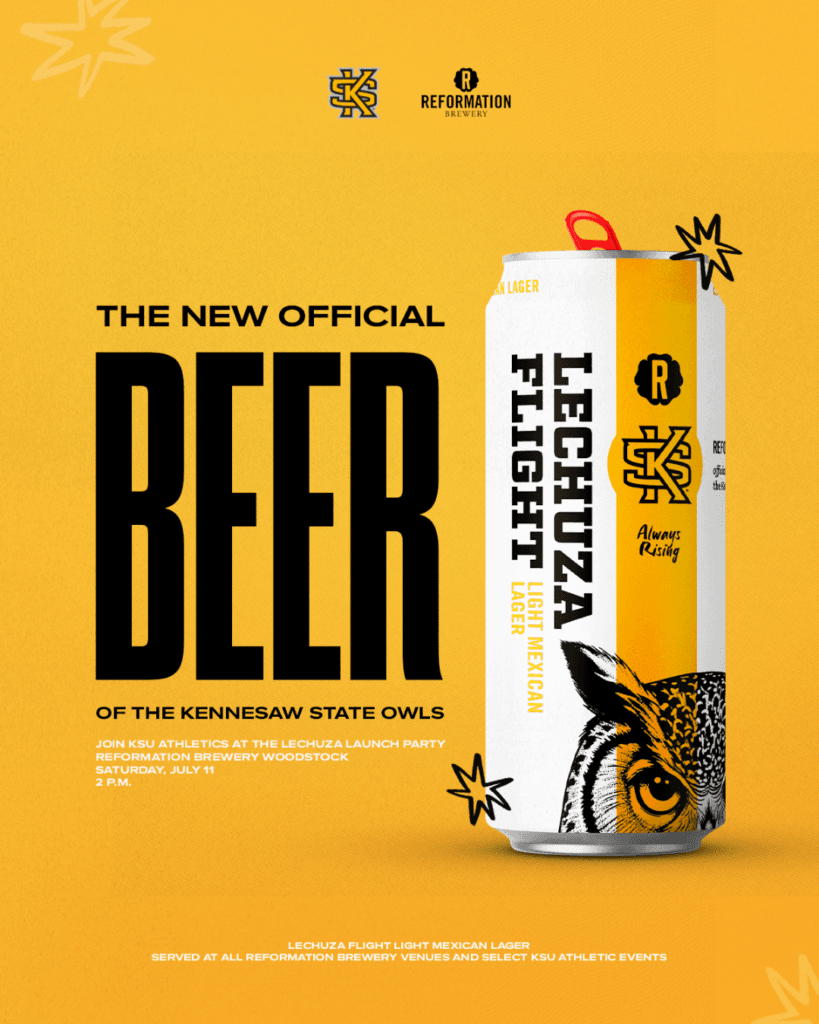
Closures continued, particularly among smaller operations that expanded during prior boom years, but the creative work did not stop. Small-batch runs, limited releases and themed series remain central tactics for staying relevant without overextending. Cross-regional collaborations and eye-catching packaging strategies are working as engagement drivers: can drops tied to seasonal calendars and collaborative taproom events create buy-in that traditional core lines struggle to match.
Sustainability and hyper-local sourcing are shifting from nice-to-have to practical differentiators. Carbon-neutral brewing pilots, sourcing grain and adjuncts from nearby farms, and eco-friendly packaging are increasingly used to tell a brand’s local story and reduce cost volatility tied to long supply chains.
On the beer side, sessionable styles and lagers are enjoying a renaissance. Sub-5% ABV beers are being prioritized for everyday drinkability and broader retail placement, while lagers, clean, crisp and versatile, fit both taproom rotation and food pairing needs.
What this means for brewers and homebrewers: lean into small batches and themed drops to test ideas without inventory risk; treat NA recipes like craft recipes by focusing on aromatics and mouthfeel; consider partnerships and shared releases to expand reach; and make sustainability part of your product story, not just the back room. Dialing in sub-5% versions of popular styles can open new on- and off-premise channels.
Our two cents? Trim ABV where it helps the occasion, keep packaging bold, and source closer to home when you can. Those moves buy breathing room to keep experimenting while staying financially and environmentally sane.
This article was produced by Prism’s automated news system from verified source data, official records, and press releases, then run through automated quality and moderation checks before publishing. The system is built and supervised by the people who set the standards it runs under. Read our full AI policy.
Did this article answer your question?