How To Brew 4th Edition Practical Homebrewing Guide
This guide breaks down what John J. Palmer’s How To Brew (4th edition) covers and how you can use it to improve your homebrew practice. You’ll learn the book’s core topics, techniques, ingredients, sanitation, fermentation, equipment, mash and boil theory, recipe formulation, and troubleshooting, and concrete ways to apply them for more consistent, better beer.
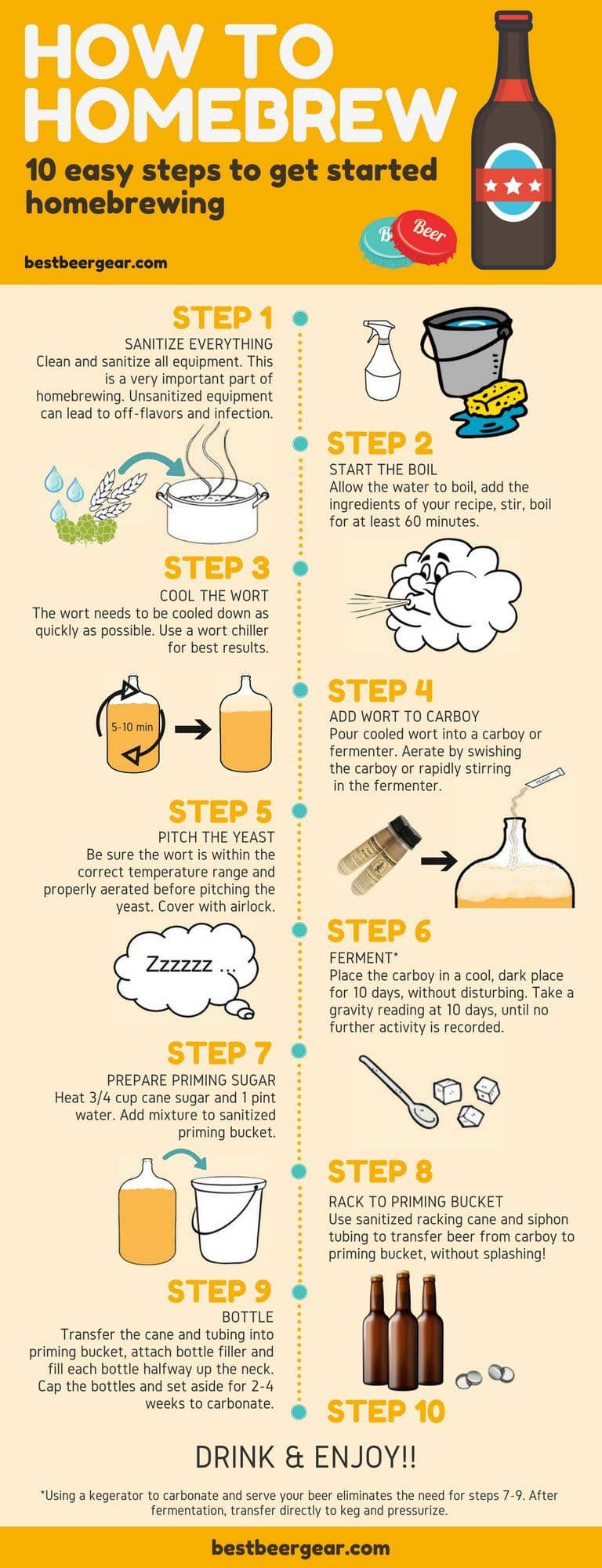
1. Book Overview and Who It’s For
How To Brew (4th edition) is widely regarded as a fundamental reference for homebrewers, blending technical background with step-by-step procedures. The book’s scope makes it useful whether you’re brewing extract kits for the first time or pushing into complex all-grain systems. Keep it on your shelf as a go-to manual you can consult during brew days, recipe planning, and post-brew troubleshooting.
2. Extract and All-Grain Techniques
Palmer covers both extract and all-grain brewing thoroughly, explaining the practical differences and when to choose each approach. For extract brewers, expect clear procedures that minimize common mistakes and make upgrades easier; for all-grain, find detailed mash schedules, sparge methods, and techniques for controlling efficiency. Understanding both paths helps you plan upgrades, evaluate time and equipment trade-offs, and scale recipes reliably.
3. Ingredients: Malts, Hops, Yeast, and Water
The book walks through the roles each ingredient plays in flavor, body, aroma, and stability, giving you a foundation to make intentional recipe choices. You’ll get actionable guidance on selecting base malts and specialty grains, choosing hop varieties and timings, and matching yeast strains to style goals. Practical attention to water chemistry and simple adjustments can unlock dramatic improvements in certain styles, so use these sections when dialing in local water profiles.
4. Sanitation and Infection Prevention
Sanitation receives focused coverage because clean equipment is the most reliable way to protect your beer’s flavor. The book explains the differences between cleaning and sanitizing, lists effective chemicals and methods, and describes routine practices for fermenters, siphons, and other gear. Applying these steps reduces the risk of infected batches and supports confident sharing at club pours and public tastings.
5. Fermentation Management
Palmer provides clear guidance on pitching rates, temperature control, oxygenation, and conditioning timelines, core variables that shape final beer quality. Practical tips help you decide when to control fermentation temperature actively versus letting it free-rise, and how to handle lag phase, diacetyl rests, and cold crashing. Good fermentation management is where recipes come to life; mastering it is the fastest route to more consistent, repeatable results.
6. Equipment Selection and Budgeting
The book breaks equipment into beginner, intermediate, and advanced setups and explains why certain tools matter for consistency and quality. You’ll learn what is essential for a first successful batch and which upgrades deliver the biggest returns, such as better temperature control, a reliable mash tun, or improved siphoning hardware. Use these recommendations to plan purchases that match your brewing goals, space, and community brewing opportunities.
7. Mash and Boil Theory
Understanding mash and boil theory in the book helps you make intentional adjustments to efficiency, body, and hop utilization rather than guessing. Expect explanations of enzymatic conversion, mash temperatures, mash thickness, and the chemistry behind hop isomerization during the boil. With theory paired to practical steps, you can diagnose low efficiency, adjust hop schedules, and reproduce desired bitterness and mouthfeel across batches.
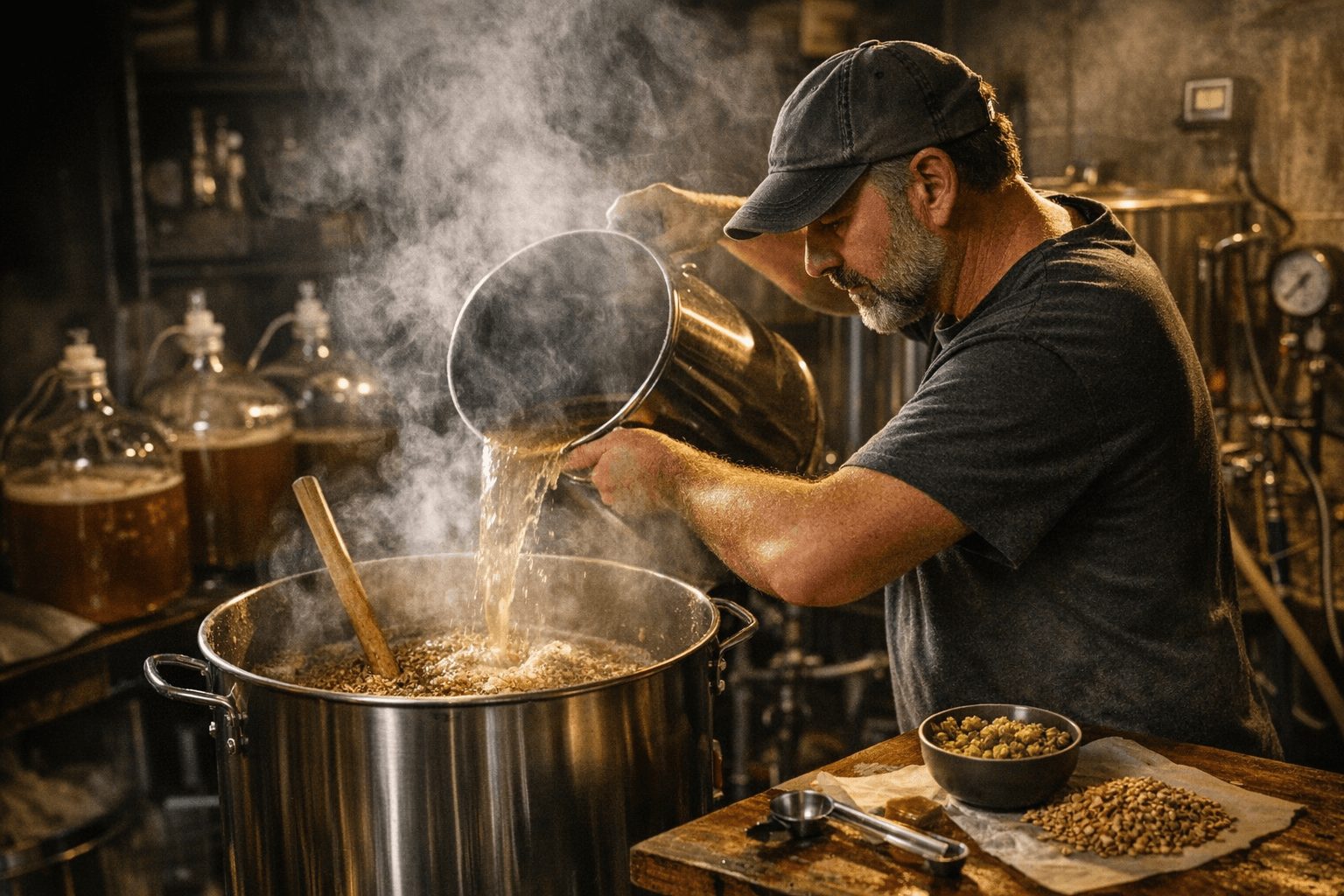
8. Recipe Formulation and Scaling
How To Brew gives step-by-step guidance for designing and adapting recipes, covering grain bills, hop schedules, and yeast choices in a way you can reproduce. The book teaches you to calculate expected gravity, bitterness units, and alcohol by volume so your recipes hit target numbers reliably. Armed with these methods, you can tweak community recipes, scale up or down for shared brewing sessions, and prepare competition entries with confidence.
9. Troubleshooting Common Problems
Troubleshooting chapters provide systematic ways to identify and fix off-flavors, stuck fermentations, and clarity issues without panic. The book lists likely causes and corrective actions, so when a batch tastes cidery, buttery, or overly sweet, you know which variables to inspect next. This practical troubleshooting is invaluable for salvaging marginal brews, learning from mistakes, and mentoring fellow brewers at club meetings.
10. Improving Consistency and Learning the Science
One of the strongest values of How To Brew is the pairing of in-depth technical explanations with explicit, repeatable procedures that improve batch-to-batch consistency. By studying the “why” behind common brewing choices and following the “how” on brew day, you’ll make fewer random changes and produce more predictable results. Share these principles with brew partners to raise the overall skill level in your local community and create better collaborative brews.
- Practical tips for using the book: keep it at the brew bench for quick reference, tab the mash and troubleshooting sections, and consult the equipment and sanitation checklists before group brews.
- Community relevance: the book’s structured approach makes it ideal for running entry-level classes, leading group brew days, and serving as a common vocabulary when critiquing and improving local recipes.
Wrap-up How To Brew (4th edition) functions as both a detailed textbook and a practical manual. Use it to bring clarity to technique choices, standardize your process, and help others in your brewing circle raise their game, one better batch at a time.
This article was produced by Prism’s automated news system from verified source data, official records, and press releases, then run through automated quality and moderation checks before publishing. The system is built and supervised by the people who set the standards it runs under. Read our full AI policy.
Did this article answer your question?