March Madness Boosts Draft Sales Despite Cold Weather Dampening On-Premise Volumes
BeerBoard's week-1 March Madness data shows selected draft brands heating up even as cold weather drags down overall on-premise volumes, with sessionable lagers leading the lift.
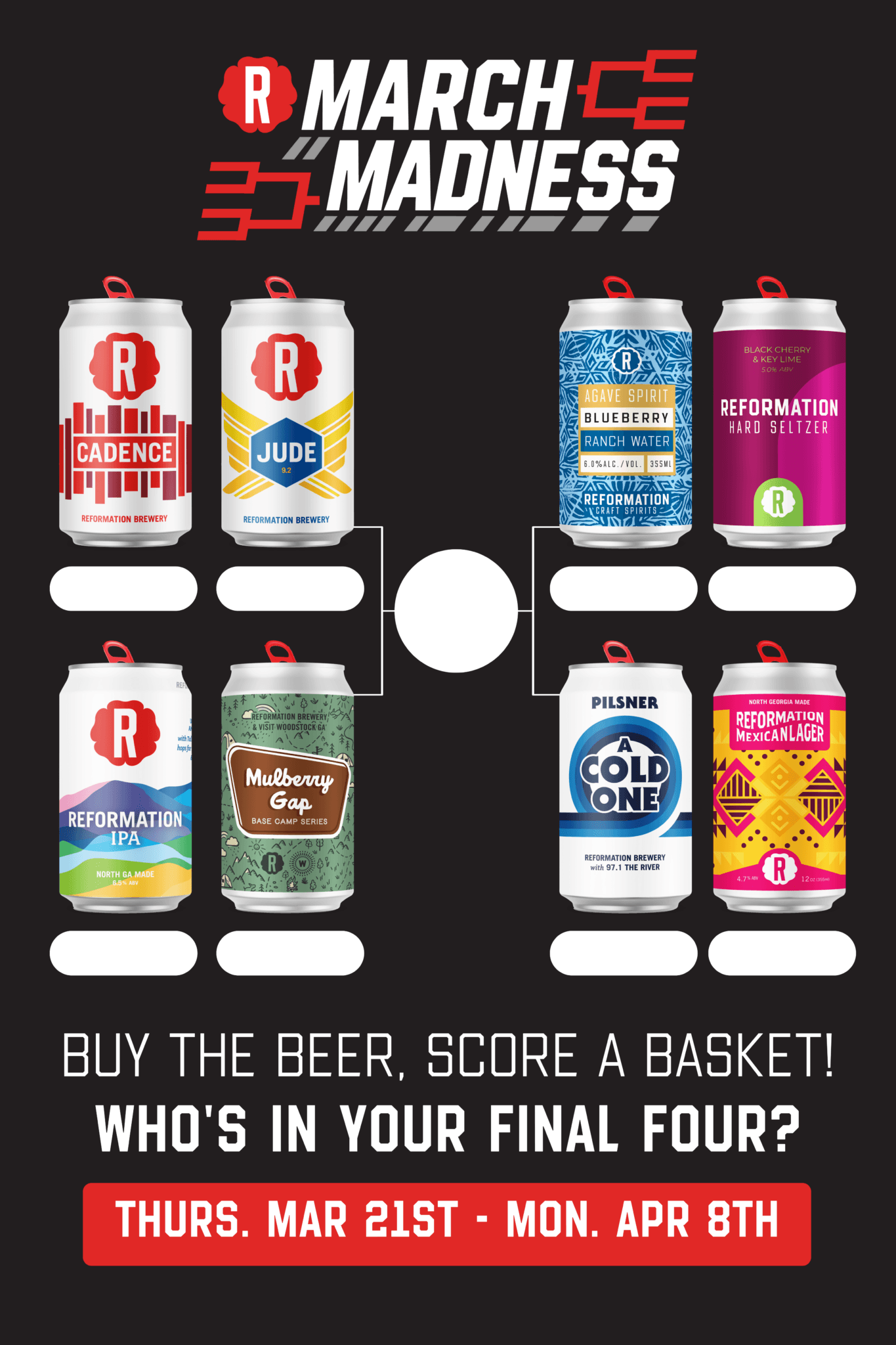
Cold weather has been quietly sabotaging on-premise volumes across the country this March, but BeerBoard's week-1 NCAA tournament data, published March 27, tells a more complicated story: certain draft brands are breaking through the chill anyway.
The on-premise data firm, which tracks more than $1 billion in annual on-premise alcohol sales across national casual dining chains, regional groups, and independent bars, found that while aggregate draft volume remained suppressed by regional cold-weather patterns, a cohort of selected brands logged measurable week-over-week gains as the tournament's opening round pulled fans off their couches and into taprooms. The takeaway for anyone managing a tap list right now is precise: the rising tide is not lifting all handles equally.
Light lagers and clean, sessionable ales are doing the work. That tracks with BeerBoard's broader on-premise patterns, where Lager and Light Lager styles, both domestic and imported, consistently lead draft sales during high-traffic sporting occasions, with IPAs settling into a reliable third-place position. In a March Madness context, where a first-time visitor sitting next to a regular is probably splitting attention between the game and the menu, familiar and approachable wins. That is the crowd-pleaser calculus: a crisp American lager or a low-bitterness pale ale moves faster, turns over more pints per hour, and keeps casual fans ordering rather than deliberating.
The wildcard position belongs to a well-placed IPA. For taproom operators who price their house IPA at a slight premium over their session handle, March Madness nights can shift that spread in their favor. If the room is already primed to order on impulse, a single chalkboard callout, something like "Game Night IPA, $1 off through halftime," can redirect curious drinkers from the safe choice to the higher-margin one.
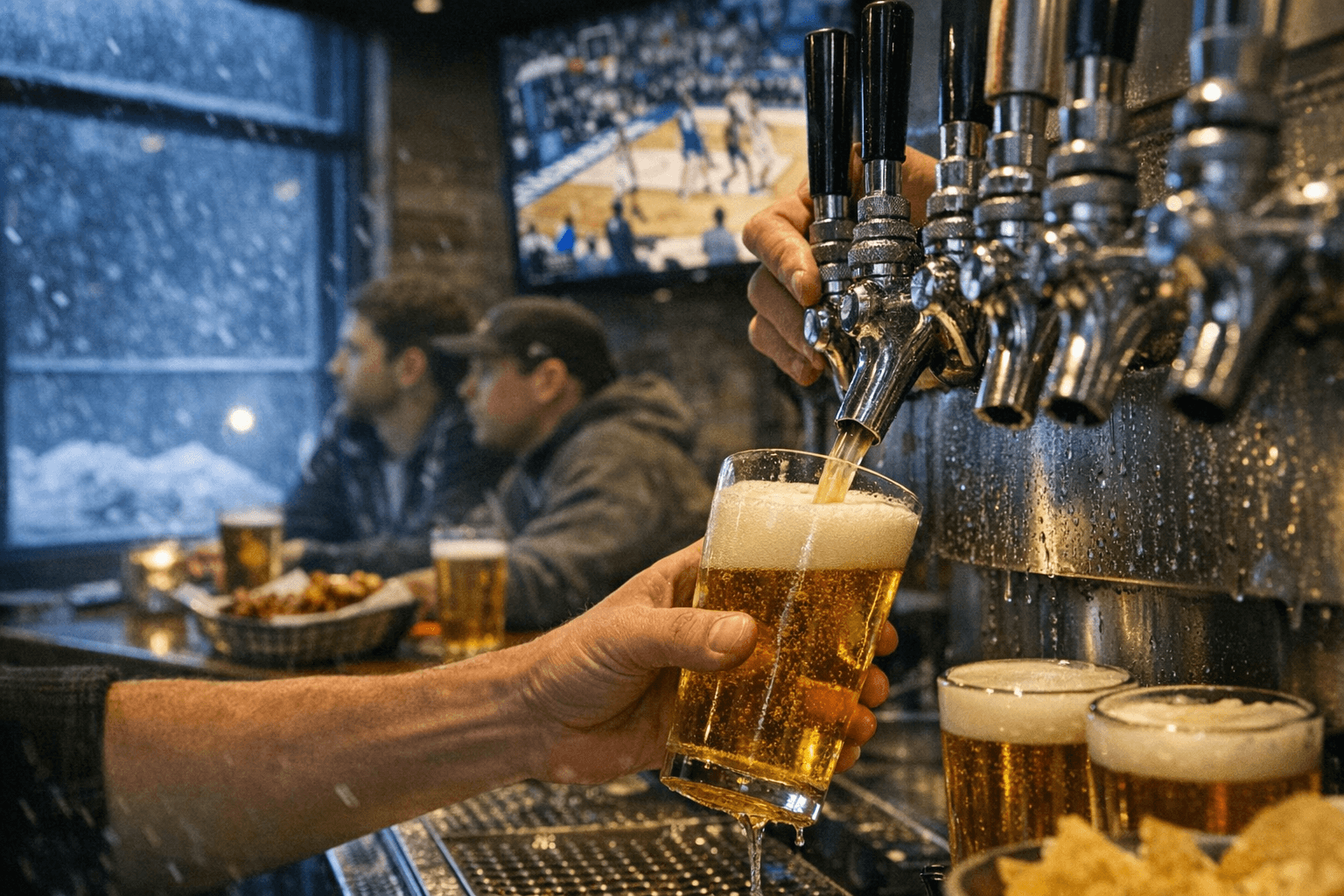
Here is the surprising stat worth texting to a beer-obsessed friend: even with depressed overall on-premise volumes from cold weather, specific brands still posted draft gains during week one. That split, macro volumes down but targeted brands up, confirms that event-driven demand is not a broad tide; it is a spotlight. Bars that stocked the right handles and rotated stale ones off the line captured share that competitors left on the floor.
For homebrewers looking to brew ahead of the remaining tournament rounds, the BeerBoard data points to a short, practical tap list. An American light lager is the crowd-pleaser anchor: pale two-row malt, a small adjunct addition of flaked corn or rice for that clean, dry finish, and a neutral lager yeast fermented cold. Brew it now and it will be ready to lager in time for the Elite Eight. The high-margin wildcard slot goes to an East Coast pale ale, 5% ABV, Citra or Mosaic for an approachable tropical hop note without the resinous bitterness that divides rooms. It ferments fast, conditions in two weeks, and appeals to the IPA drinker who is also watching a 3-pointer with ten seconds left on the clock.
BeerBoard's data reinforces a principle that craft brewers navigating sports-viewing windows have learned the hard way: the night someone's bracket busts is not the night to debut a barrel-aged farmhouse ale. Save the experimental pour for a slower Tuesday. On game night, the tap that earns its keep is the one everybody already knows how to order.
This article was produced by Prism’s automated news system from verified source data, official records, and press releases, then run through automated quality and moderation checks before publishing. The system is built and supervised by the people who set the standards it runs under. Read our full AI policy.
Did this article answer your question?