Michigan Allows Breweries to Sell Third-Party Nonalcoholic Beer On Tap, Off-Premises
Michigan changed rules so breweries can pour third-party nonalcoholic beer on tap and sell it for off-premises consumption, expanding choices for non-drinkers.
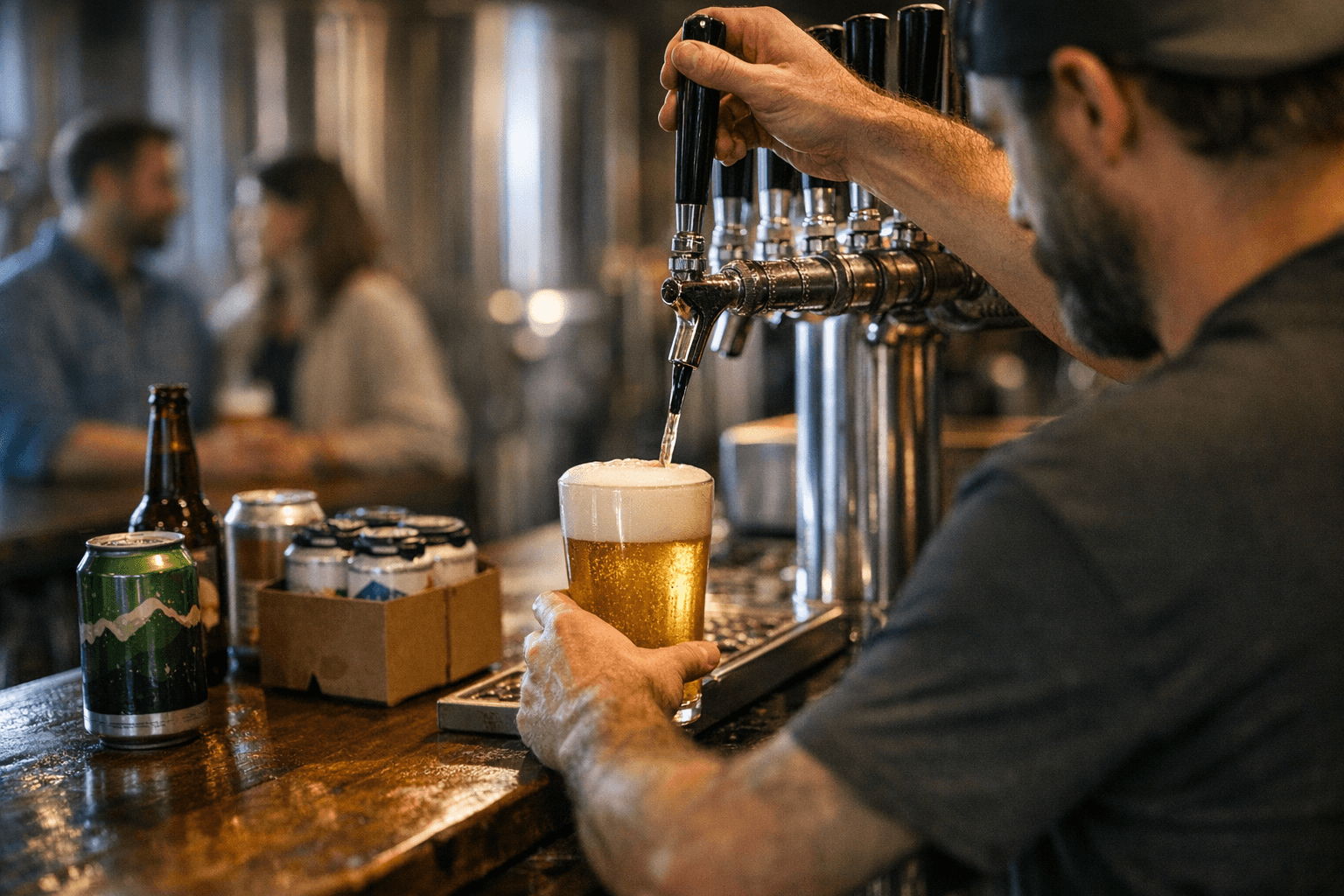
Michigan moved to allow breweries greater flexibility with nonalcoholic (NA) beer, letting taprooms offer third-party NA brands on draft and sell them for off-premises consumption. The change, enacted January 15, 2026, overturns a long-standing restriction that limited tasting-room sales to beer produced on site and opens local taplists to a wider range of NA options.
This matters for patrons who avoid alcohol for Dry January, health, pregnancy, recovery, or simply preference. Taprooms that previously could only showcase their own brews can now stock NA lagers, malt beverages, and alcohol-removed specialty offerings from outside producers. That gives customers more sessionable choices and lets breweries serve designated drivers, sober-curious guests, and families without making exceptions to house rules.
For breweries, the shift is a practical tool for hospitality and sales. Offering third-party NA beer on tap can increase foot traffic, diversify tap rotations, and create cross-promotional opportunities with NA producers. Off-premises sales mean taprooms can now sell bottles, cans, or sealed containers for take-home consumption, similar to how many sell growlers or crowlers of onsite beer. Operators will want to review their licenses and service signage, adjust inventory management to include keg and package handling for third-party goods, and update menus and POS systems to reflect NA pours separate from alcoholic offerings.
The policy change also matters to NA beer brands and retailers. Greater access to taproom pour lists helps smaller NA producers reach consumers in social settings where sampling drives sales. For communities, the shift makes local beer culture more inclusive: it reduces pressure on hosts to juggle multiple beverage categories and normalizes nonalcoholic choices in spaces long dominated by alcoholic options.
State regulators framed the move as a modest regulatory shift, but its practical impact should be noticeable in neighborhoods with active taproom scenes. Expect more NA-focused taps at community events, collaborative tap takeovers that include NA producers, and expanded off-premises package options at tasting rooms that embrace a broader audience.
If you run a taproom, check licensing language and supplier terms to start rotating third-party NA beers into your draft lineup and off-premises offerings. If you drink NA or are managing a sober-staffed night out, watch local taplists and menus for new NA pours, your next favorite zero-ABV session could be on tap this weekend.
This article was produced by Prism’s automated news system from verified source data, official records, and press releases, then run through automated quality and moderation checks before publishing. The system is built and supervised by the people who set the standards it runs under. Read our full AI policy.
Did this article answer your question?