Minnesota craft beer faces pressure as brewery closings mount
More than 200 Minnesota breweries are fighting tariffs, weak taproom traffic and tighter shelf space as Invictus, Schram Haus and Foremost close.
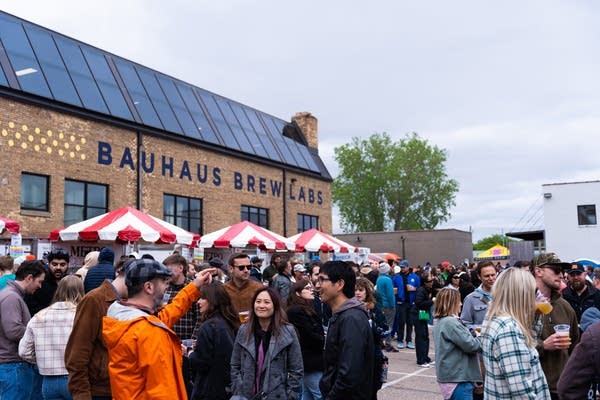
Minnesota’s brewery map still looks crowded, with 217 breweries counted in the state as of April 2026, but the business around them has gotten a lot tighter. Closings at Invictus Brewing Co. in Blaine, Schram Haus Brewery in Chaska and Foremost Brewing Cooperative in Owatonna are landing in a market where can costs, shelf space and drinker habits are all moving in the wrong direction at once.
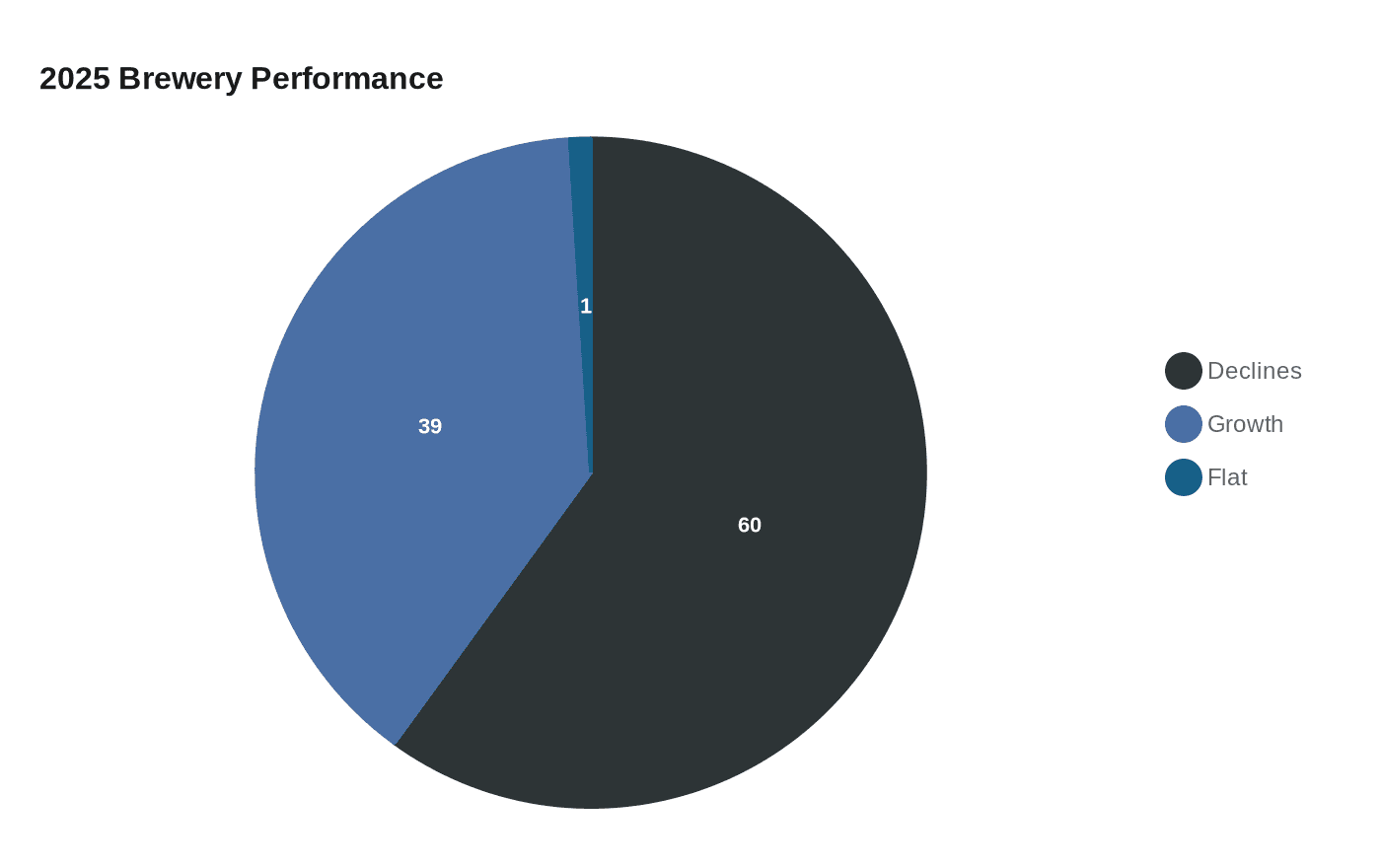
The broader numbers show why the pressure feels different now. The Brewers Association said craft brewers produced 21.86 million barrels in 2025, down 5.1% from 2024. It also said 60% of breweries reported declines, 39% reported growth and 1% were flat, a split that shows how uneven the recovery has become. Taproom closings also outpaced openings badly in 2025, with 219 closures and 151 new openings, the worst year since the trade group began tracking that figure in 2018.
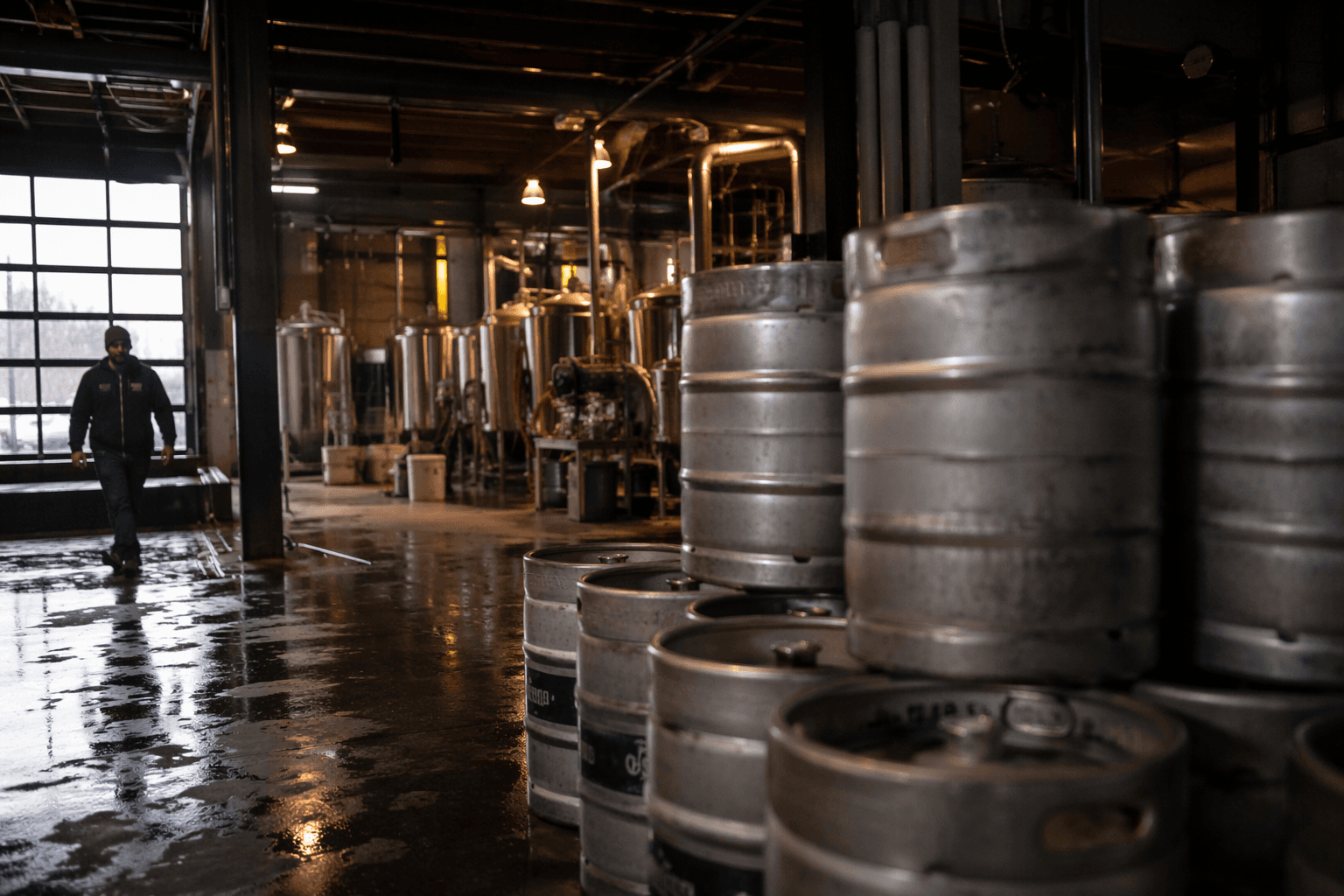
For Minnesota brewers, tariffs added another hit. Brewers worried in March 2025 about a 25% tariff on Canadian aluminum and steel goods, a cost increase that ran straight into the price of cans and tanks. That matters in a state where many breweries still depend on package sales to balance out taproom revenue, and where every extra expense makes it harder to compete for retail placement and still keep a neighborhood taproom busy.
The market has also shifted fast on the demand side. A 2024 Axios Twin Cities report said Minnesota craft brewers saw sales rise in 2024 partly because of THC drinks, nonalcoholic beers and event business. That same mix now helps explain the squeeze: if drinkers are splitting time and money among more options, a brewery has to win not just a pint, but repeat visits, event bookings and a stable package mix.

Even with the downturn, the sector still carries weight. The Brewers Association said craft brewing contributed $71.8 billion to the U.S. economy in 2025 and supported more than 415,000 jobs. In Minnesota, the guild’s mission remains to promote, protect and grow a robust independent brewing industry, but the challenge is no longer simple growth. The breweries still standing are the ones that can keep taprooms full, defend shelf space and build a business model that works when every cost line is higher and every drinker has more choices.
That is the hard reality behind Minnesota’s still-dense brewery scene: 217 breweries on the map, but a lot less room for error when the taps, cans and customer habits all turn at the same time.
This article was produced by Prism’s automated news system from verified source data, official records, and press releases, then run through automated quality and moderation checks before publishing. The system is built and supervised by the people who set the standards it runs under. Read our full AI policy.
Did this article answer your question?