MyBeerBuzz Trend Guide: IPAs Dominate; Lagers, Non-Alcoholic Beers, Stouts Gain Ground
IPAs continue to dominate new releases and headline attention, while lagers, non-alcoholic beers and barrel-aged stouts grow, reshaping R&D and packaging priorities.
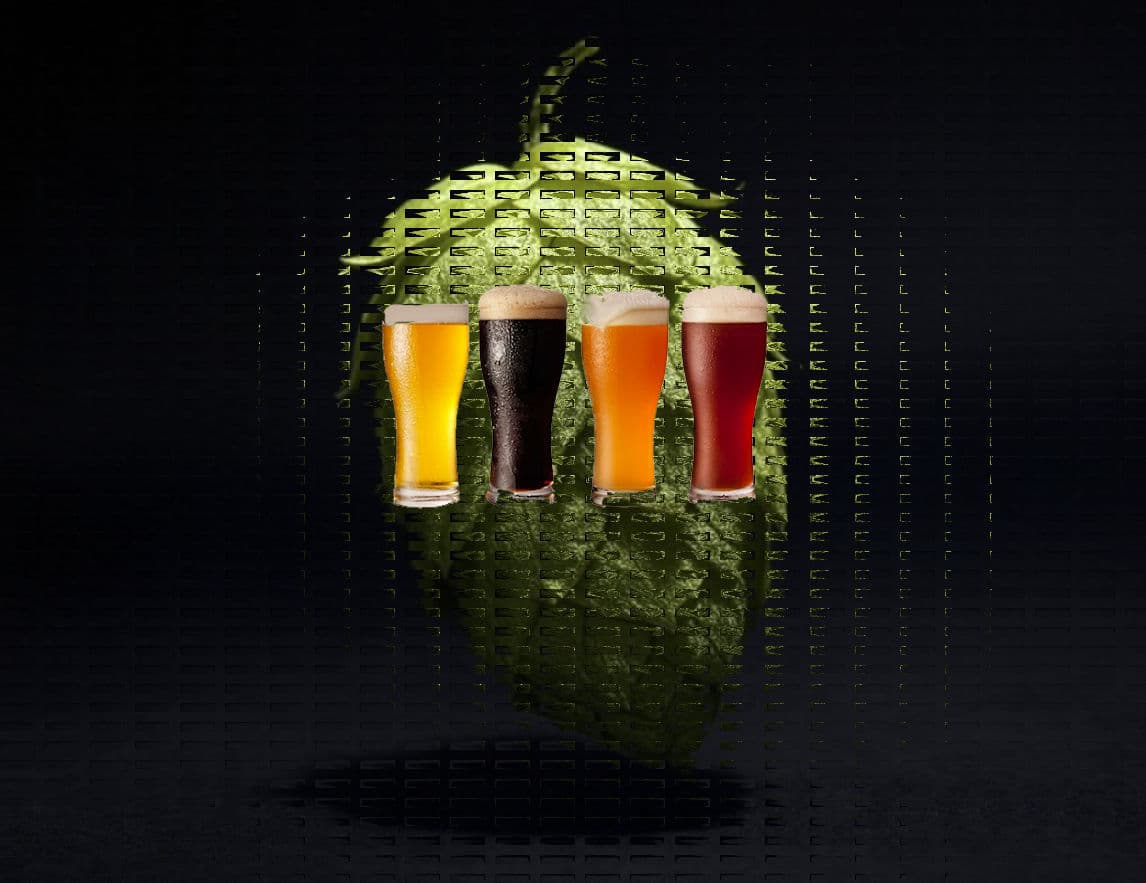
IPAs remain the engine of craft-beer activity, driving new releases, media coverage and shelf turnover. That steady appetite for hop-forward beers keeps canning lines busy and forces brewers to balance experimental single-release IPAs with reliable core offerings that sustain taproom traffic and retail listings.
Behind the hops, lagers and pilsners are gaining renewed investment. Breweries are putting resources into extended cold-conditioning capacity and clean yeast management to deliver consistent shelf-ready lagers. That investment responds to consumer interest in lower-bitterness, sessionable beers that perform well in both draft and packaged formats, and it gives brewers a way to diversify tap lists without abandoning core IPA programs.
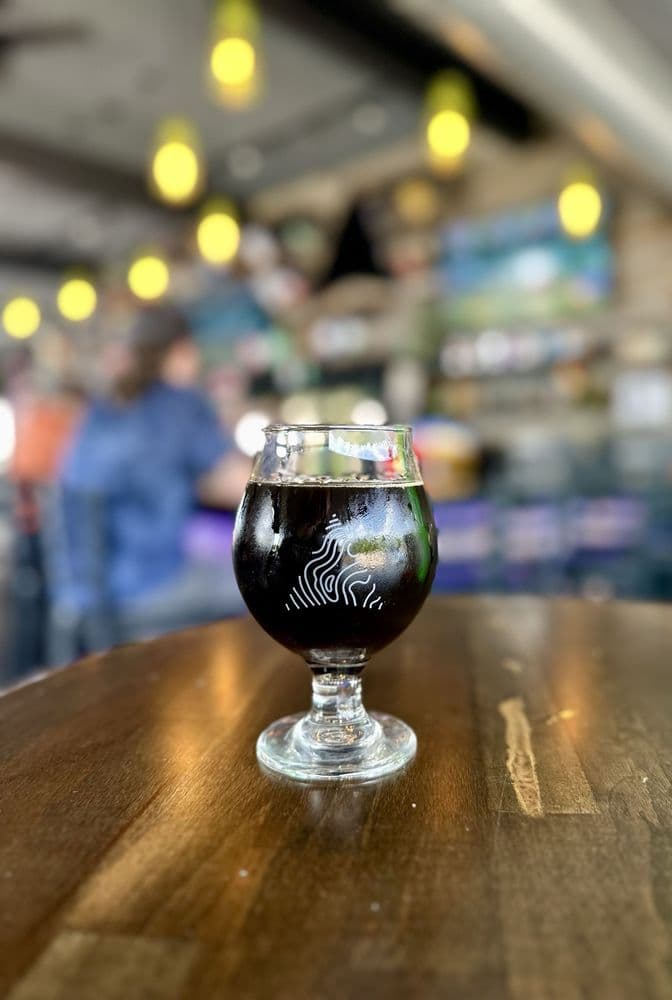
Barrel-aged stouts remain vital in the specialty and collector market. Limited bottle runs and numbered releases continue to attract cellarers and festival collectors, supporting secondary market buzz and premium pricing. Brewers who maintain barrel programs can cultivate brand prestige while using those releases to anchor special events and member clubs.
Sours and fruited beers have stayed steady on the festival circuit, where bright, tart releases still score attention. These beers provide striking taproom draws and pair well with outdoor and summer programming, making them practical event tools even when they do not dominate retail shelf space.
One of the clearest growth areas is non-alcoholic beer and low-calorie formats. Increasing demand for NA options and lighter beers has pushed recipe development and packaging strategies. For brewers, that means allocating R&D time to dealcoholization methods or low-cal recipe work, testing on-trade pours to build confidence, and offering accessible pack sizes that encourage trial.
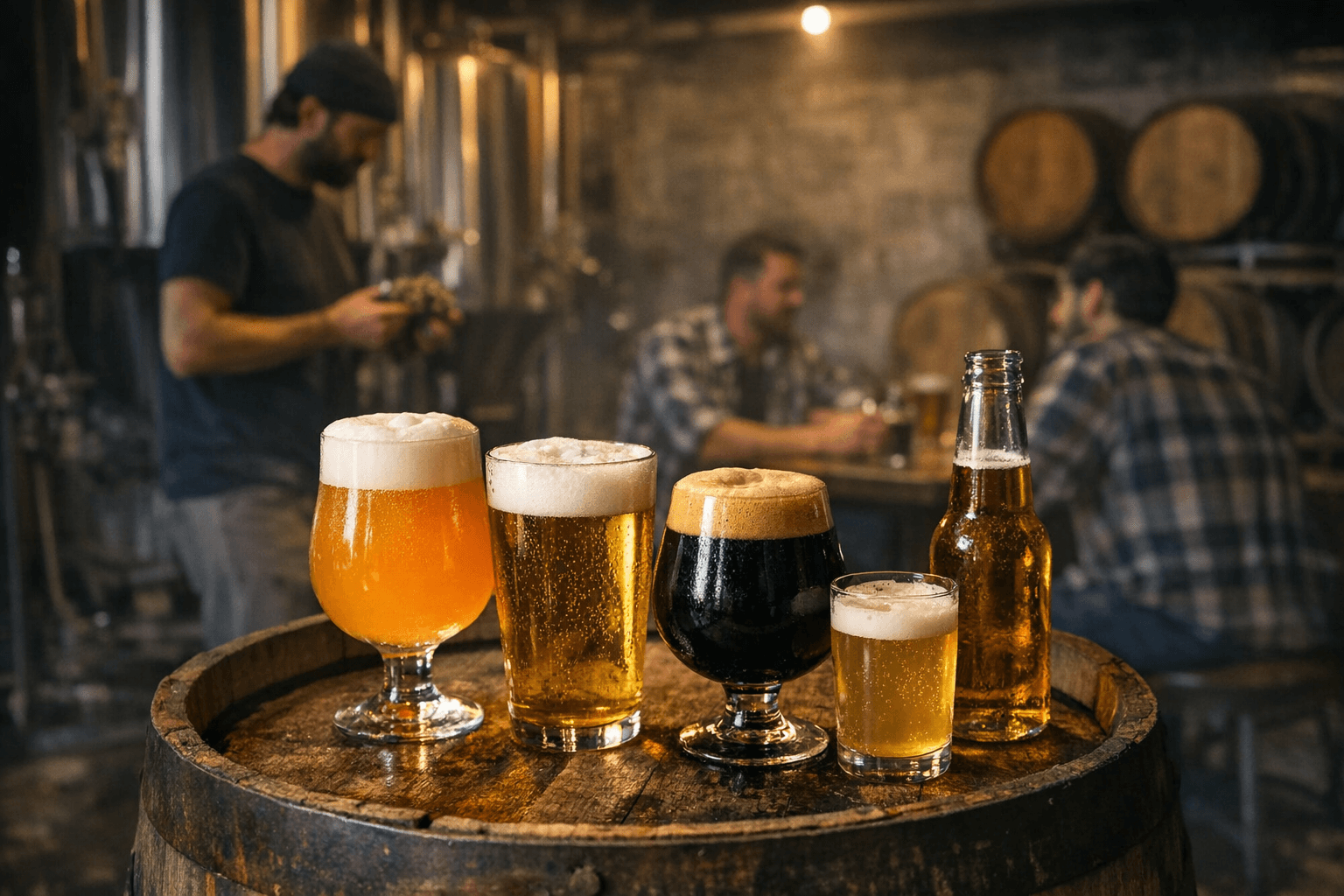
Practical takeaways for brewers and homebrewers are straightforward. Focus R&D where consumer interest is expanding - lagers, non-alcoholic and low-calorie brews - while keeping a steady cadence of IPA releases that sustain brand visibility. Use limited-edition bottle or small-batch packaging for barrel-aged stouts to protect margin and build collector interest. Prioritize packaging formats that move fast in your market - single-serve and mixed-pack options often speed trial and rotation in retail and on-premise outlets. Finally, tune recipe and release strategies to your region; flavor preferences vary across markets, and localizing grain bills or fruit choices will increase acceptance.
For homebrewers, the message is similar: sharpen technique on lagering and alcohol-control methods, and treat barrel work as a long-game experiment you can scale slowly. For commercial brewers, the near-term playbook is balancing the headline-grabbing IPAs with steady investments in categories that broaden reach and lifetime value.
This trend mix means brewers who manage capacity, packaging and a clear release calendar will be best positioned to capture demand across both mainstream and specialty segments as the market continues to evolve.
Know something we missed? Have a correction or additional information?
Submit a Tip