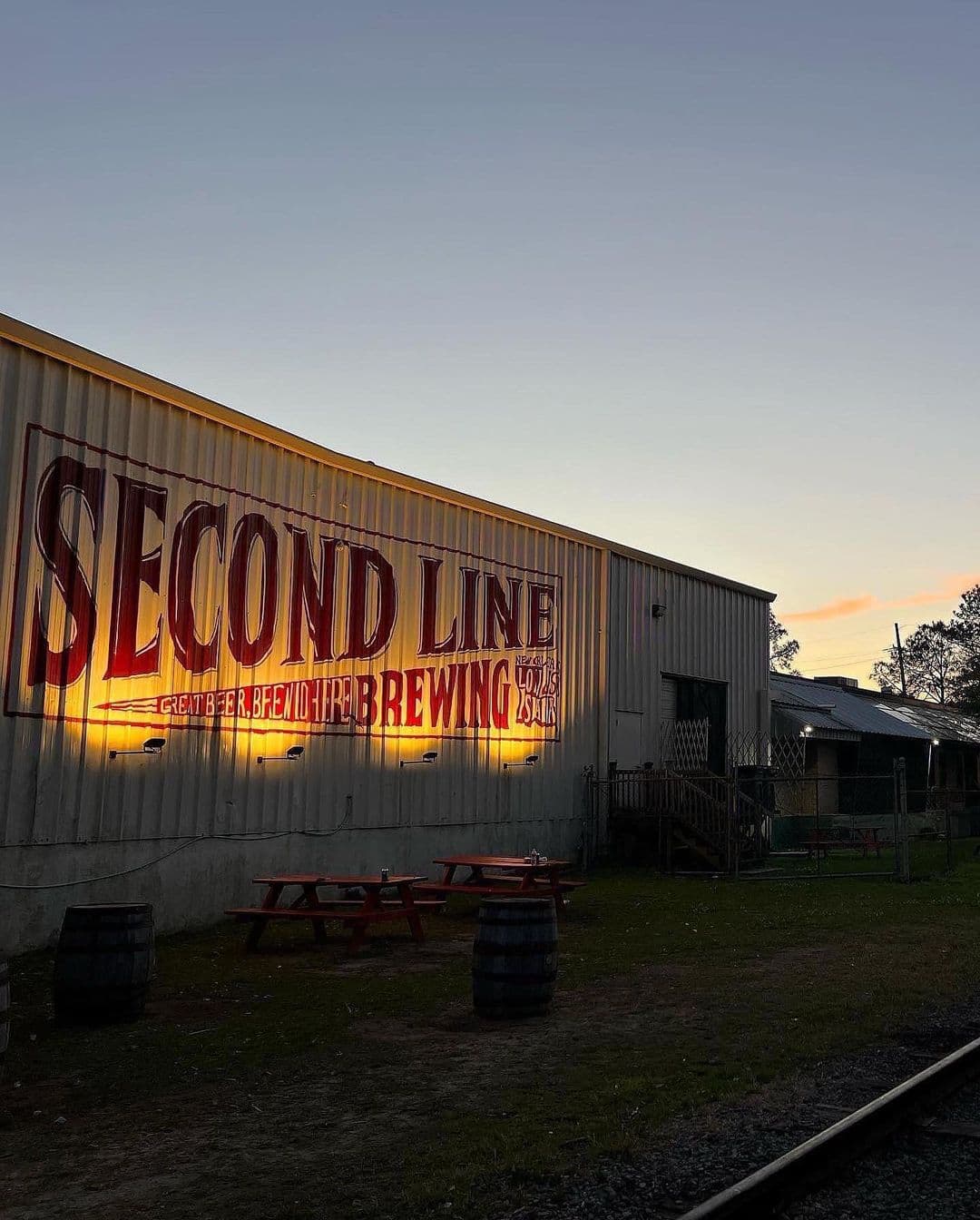
North Carolina craft beer report finds $2.3B economic impact, workforce challenges
North Carolina craft brewers report more than $2.26 billion in annual impact and nearly 15,000 jobs, but state, national, and academic tallies range from $1.48B to $12.8B and show conflicting employment counts.
The North Carolina Craft Brewers Guild’s February 2026 “State of the Industry” bulletin says the state’s craft beer sector generates more than $2.26 billion in annual economic impact, supports more than 14,941 jobs, and counts over 400 independent breweries and brewpubs, while North Carolina beer distribution companies employ more than 3,900 people and over 40 North Carolina breweries serve the NC Public House at the State Fair.
Those guild figures sit alongside an earlier guild media statement cited in Fall 2025 that put the industry’s impact at $2.8 billion and “supporting over 18,000 jobs,” celebrated the 1986 founding of The Weeping Radish Brewery by Uli Bennewitz in Manteo as “the state's first microbrewery post-Prohibition,” and asserted that “North Carolina has become the #1 beer state in the American South and ranks among the top 10 craft beer states nationwide.” The guild’s Fall 2025 release lists Lisa Parker as contact: lisa@ncbeer.org and 919.951.8588.
National benchmarking from the Brewers Association’s 2024 state profile shows a different picture: 430 craft breweries in North Carolina (ranks 7th), 233,377 barrels of craft beer produced per year (ranks 22nd), an economic impact listed as 1,479 million dollars for 2024 (ranks 19th), 5.3 breweries per 100,000 21+ adults (ranks 18th), and 1.4 gallons per 21+ adult (ranks 33rd). Those 2024 production and per-capita metrics do not match the guild’s Feb. 2026 totals.

Academic and state-government excerpts add further divergence. The UNC School of Government Environmental Finance Center notes growth “from around 200 breweries in 2019 to 430 in 2023” and quotes a “recent study on the beer industry’s economic impact” that it says “supports more than 75,000 jobs and contributes over $12.8 billion to the North Carolina economy.” The SOG EFC also warns that “The craft beer industry is highly reliant on source water,” says it is “building inroads to determine how big a footprint the brewing industry has in our backyard,” and reports “applying for and receiving a Pollution Prevention Grant to begin work that would connect us with North Carolina’s many breweries, meaderies, and cideries.”
Economic and employment totals are not the only fault lines. A 2018 academic snapshot cited in JRAP records “207 microbreweries in North Carolina and 72 brewpubs” at that time and notes regulatory constraints: “But as it stands, brewers are limited to producing 25,000 barrels annually” under a context shaped by a “three-tier system . . . created after Prohibition in the 1930s.” Those regulatory markers remain relevant to scaling conversations at many North Carolina breweries.
Industry leaders are pushing operational shifts in response to market pressures. The guild’s Fall 2025 statement warned that “As the craft beer industry continues to mature, today’s brewers face a more challenging landscape than in years past,” and added that “Inflation and tariffs have increased operating costs, impacting profit margins, and hitting the craft segment of the industry especially hard, as small brewers don’t have the bulk pricing options that ‘big beer’ corporations do.” The same release pointed to changing consumer habits, “remote work schedules, reduced in-person socialization, and sober curious wellness trends”, and said brewers are “taking a fresh look at their production strategies, shoring up business operations, and re-evaluating brand narratives and the customer experience” while “focusing on crafting a premium product, fostering community connection, and providing new pathways for health-conscious consumers to build brand loyalty.”

Taken together, these documents portray a booming brewery count and active taproom and festival presence, including more than 40 breweries at the NC Public House at the State Fair and a Governor’s proclamation praising taprooms as “safe and welcoming” community spaces, but they also expose sharp disagreements on the size of the industry’s dollar and labor footprint. The excerpts provided do not include methodological details necessary to reconcile the $1.479 billion, $2.26 billion, $2.8 billion, and $12.8 billion totals or the job counts from roughly 14,941 up to 75,000; clarifying those differences will require the underlying analyses from the guild, the Brewers Association, and the UNC School of Government’s cited study.
For questions about the guild’s figures and the Feb. 2026 bulletin, the North Carolina Craft Brewers Guild lists Lisa Parker, Executive Director, at lisa@ncbeer.org and 919.951.8588. The state’s craft-beer sector appears to be at a crossroads of growth, water-resource scrutiny, and workforce pressure even as leaders plan a month-long celebration to elevate North Carolina’s beer craftsmanship.
This article was produced by Prism’s automated news system from verified source data, official records, and press releases, then run through automated quality and moderation checks before publishing. The system is built and supervised by the people who set the standards it runs under. Read our full AI policy.
Did this article answer your question?