Nosey Neighbor Brewing launch delayed after New Barons faces classification issue
A Bay View debut was pulled days before launch when New Barons hit a small-brewery classification wall. The fix sent Nosey Neighbor Brewing’s first beer to a different venue.

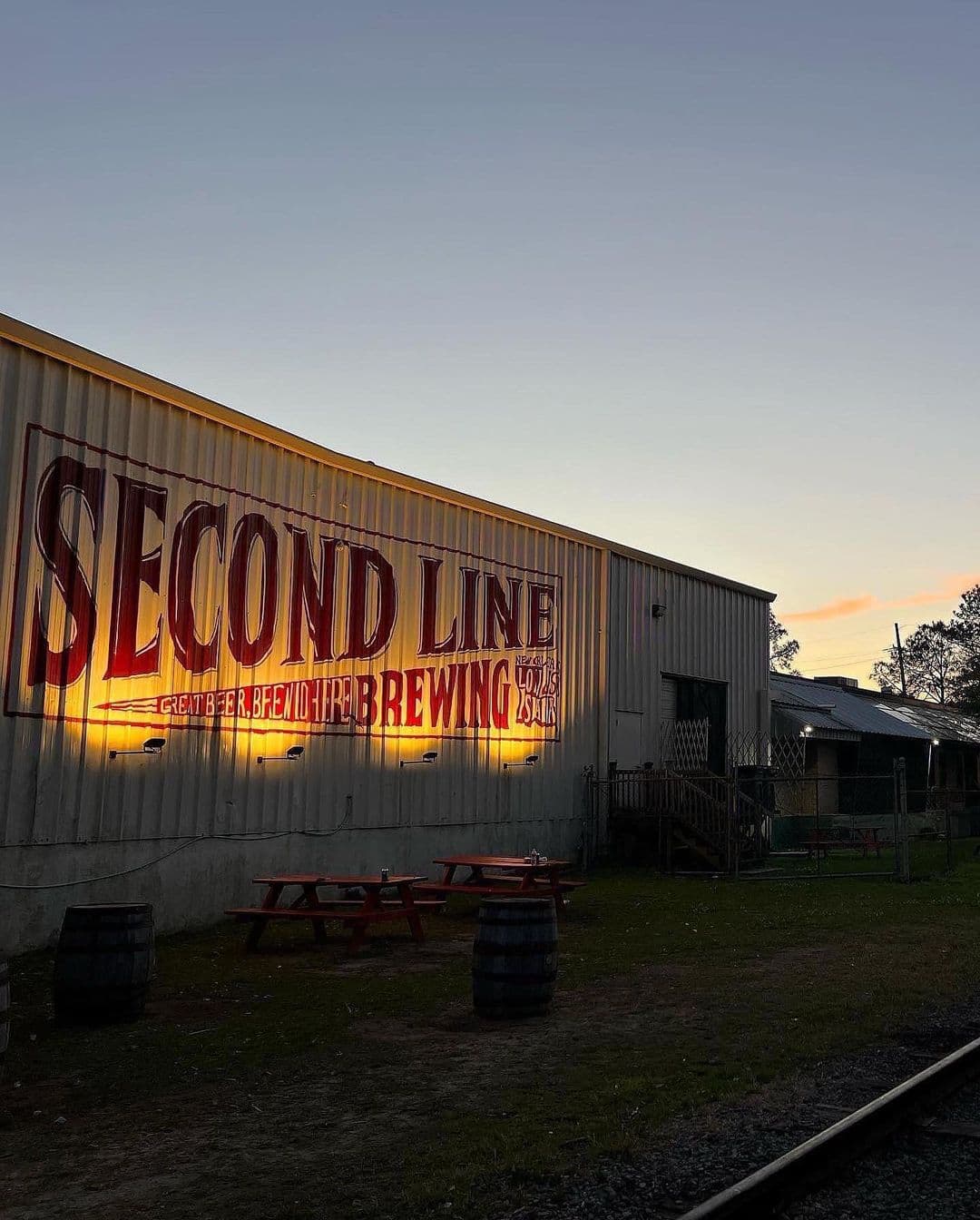
Nosey Neighbor Brewing’s first commercial beer release was supposed to land this weekend at New Barons Brewing Co-Op’s Bay View taproom. Instead, a licensing snag forced the debut out of the room and turned a planned launch into a case study in how close-to-the-ground brewery incubators can run straight into Wisconsin alcohol rules.
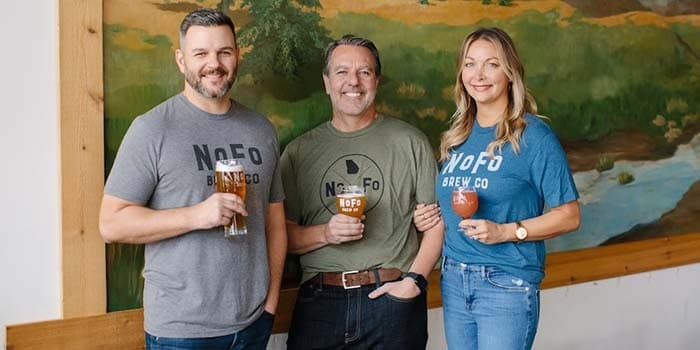
The brand, founded by Tyler and Charisse Sallee, had teamed with New Barons last autumn to brew on the co-op’s system, keep control of its recipes, and ease the jump from homebrewing and festival attention into a real business. That setup is exactly the sort of bridge many small brewing projects need when they are not yet ready to carry the cost of a full facility, taproom buildout, or production footprint of their own.
The problem came when New Barons was told it could not sell beer produced by another company because of its classification as a small brewery, even if that beer had been brewed on site. John Degroote, New Barons’ CEO, said the co-op looked at possible fixes and legal advice, but there was no workable way to keep Nosey Neighbor’s release at the taproom that weekend. The beer was redirected to another venue, and the original Bay View debut was pushed back.
The dispute lands right at the intersection of ambition and regulation. New Barons has long framed itself as Wisconsin’s first cooperatively owned brewery and a brewery-incubator meant to bring new brands to market faster and with fewer barriers to entry. Its address, 2018 S. 1st St. in Milwaukee’s Lincoln Warehouse, has become a test case for that model. In November 2025, the co-op said it had more than 700 member-owners and was formalizing an incubator focus with an alternating-proprietorship approach.
Wisconsin’s own alcohol rules help explain why the issue surfaced. Department of Revenue guidance says a brewer’s permit covers retail sales of beer manufactured on brewery premises or on another permitted premises controlled by the brewer. Separate 2024 law changes also codified contract production and alternating-proprietorship structures for brewers and related license holders. But classification at the retail level still matters, and that is where New Barons ran into trouble.
For Nosey Neighbor, now described as a Milwaukee-based nano-brewery brewing out of New Barons in Bay View, the lesson is clear: recipes and yeast are only part of the launch plan. Ownership structure, permit status, and who is allowed to sell the finished beer can decide whether a debut stays on schedule or gets rerouted before the first pint is poured.
This article was produced by Prism’s automated news system from verified source data, official records, and press releases, then run through automated quality and moderation checks before publishing. The system is built and supervised by the people who set the standards it runs under. Read our full AI policy.
Did this article answer your question?