Paine Schwartz Invests in Tom Holland’s Nonalcoholic BERO at $100M Valuation
Paine Schwartz invests in BERO, valuing the nonalcoholic beer brand at about $100M to fund sales and distribution expansion.
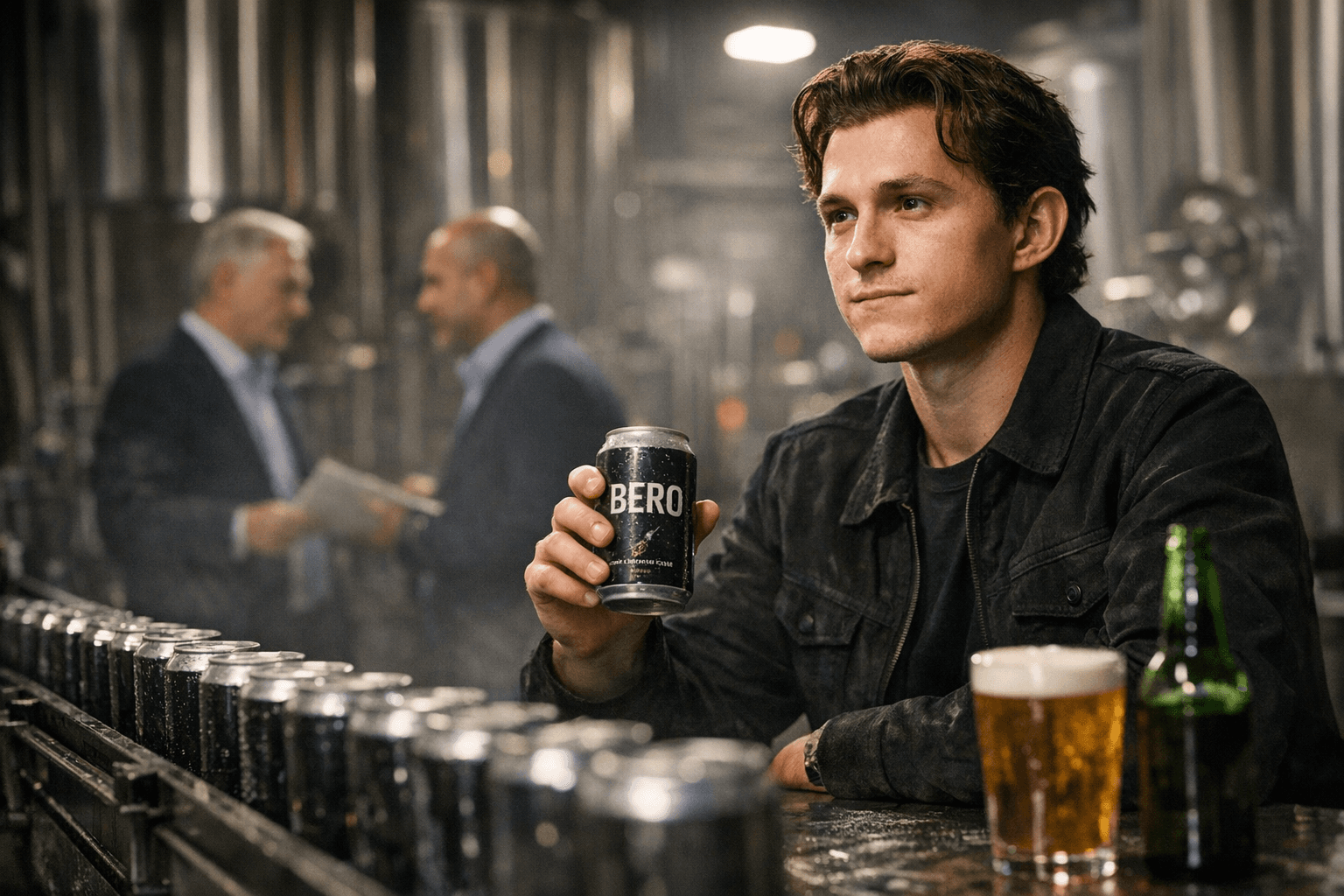
Paine Schwartz Partners, using its BetterCo vehicle, made a growth investment in BERO, the New York-based nonalcoholic beer brand co-founded by actor Tom Holland and CEO John Herman. The deal, announced Jan 20, valued BERO at roughly $100 million and is targeted to accelerate a planned expansion of the sales team and distribution as the company pushes for rapid growth in 2026.
BERO launched in late 2024 and recorded about $10 million in first-year retail sales. Management expects to roughly triple revenue in 2026, positioning the brand as one of the faster-scaling entrants in the zero-proof category. The funding will support scaling commercial operations and widening shelf presence as BERO pursues national retail and on-premise placement.
Product development at BERO is led by brewmaster Grant Wood, who previously worked at Boston Beer and Revolver Brewing. The brand has emphasized a premium craft positioning rather than the mass-market approach that characterizes some nonalcoholic offerings. BERO’s go-to-market blends lifestyle partnerships and membership-driven loyalty: the company has teamed with Aston Martin and Barry’s fitness and sells a premium membership product aimed at building a repeat customer base and higher lifetime value.
For craft brewers, homebrewers, taproom owners, and independent retailers, this investment signals growing investor confidence in better-for-you beverages and premium nonalcoholic portfolios. Larger growth capital entering the NA beer space often translates into wider distribution and more sophisticated marketing, which can change category dynamics at the local level. Expect increased competition for shelf and tap lines where BERO gains distribution, and note that partnerships may drive nontraditional outlets such as fitness studios and luxury brand events.
From a product perspective, Grant Wood’s background suggests BERO will continue to lean on brewing expertise and sensory quality to differentiate. That matters for homebrewers who track recipe trends; techniques used to deliver aroma, mouthfeel, and bitterness in low- or no-ABV beers may trickle into the broader community through brewer clinics, interviews, and ingredient sourcing changes.
The investment also highlights a route to scale for beverage startups: combine craft brewing credentials with lifestyle partnerships and membership economics to justify premium pricing and rapid expansion. For local retailers and brewpubs, the near-term effect will be more national NA SKUs competing for limited shelf real estate, while the longer-term effect could be category growth as consumers seek high-quality nonalcoholic options.
As distribution ramps in 2026, watch where BERO appears locally, how pricing and pack formats compare to established NA lines, and whether brewers continue to trade on craft credibility when scaling. That will determine whether this investment helps grow the category or simply reshuffles players on crowded shelves.
This article was produced by Prism’s automated news system from verified source data, official records, and press releases, then run through automated quality and moderation checks before publishing. The system is built and supervised by the people who set the standards it runs under. Read our full AI policy.
Did this article answer your question?