pFriem’s Tropical Hazy IPA aims to attract new craft beer drinkers
pFriem’s Tropical Hazy IPA is built like a recruiting tool, not just a new beer. It shows how breweries are softening bitterness and brand cues to pull in drinkers who never warmed to classic craft.
Why this release matters
pFriem Family Brewers’ Tropical Hazy IPA is less about adding another hazy to the shelf and more about solving a tougher problem: how to bring new people into craft beer when the category already has a reputation. Jeff Alworth’s take on the beer frames the shift clearly, craft is no longer fighting for awareness, it is fighting for appeal. For a lot of drinkers, “craft” already means intense, bitter, dense, or a little insider-coded, and that makes first purchase harder than it used to be.

That is why pFriem’s approach matters. Instead of designing the beer from the brewhouse outward, the brewery appears to have worked backward from the consumer it wants to reach. Josh Pfriem described the team’s focus on what younger drinkers already like, especially fruity and tropical flavors, and the result is positioned as a gateway beer that keeps beer at the center while making the flavor profile feel more familiar.
What pFriem built
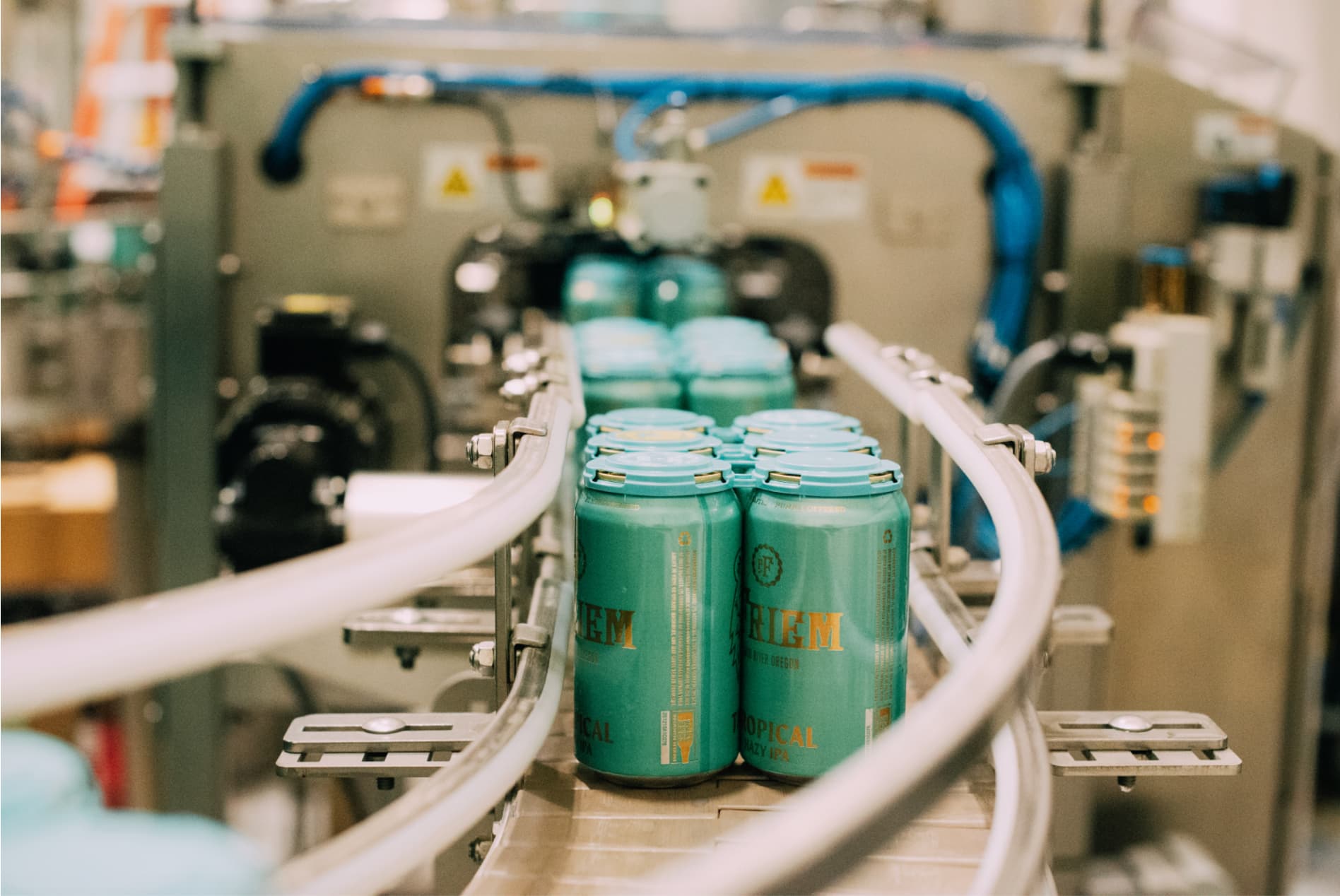
Tropical Hazy IPA joined pFriem’s year-round lineup in February 2026, giving the brewery a permanent beer built around approachability. The beer sits at 6.3% ABV and 35 IBUs, a combination that signals enough structure to read as beer without pushing bitterness to the front. It is packaged in 12-ounce six-packs and sold on draft, which keeps it squarely in the everyday drinking lane rather than treating it like a one-off novelty release.
The flavor cues are the bigger story. pFriem says the beer delivers passionfruit, pineapple, and mango notes, and that profile is designed to feel immediate and legible to people who may not connect with the piney, resinous, or aggressively bitter side of classic IPA. The brewery also described it as built for “fun, easy-going, and youthful occasions,” a line that says a lot about the target audience and the occasion strategy behind it.
That matters because the beer is not trying to leap out of craft into hard seltzer territory or mimic canned cocktails. It is still a beer, still a hazy IPA, but it is shaped to be less intimidating on the first sip. In a crowded market, that kind of sensory translation can be the difference between curiosity and repeat purchase.
The recruitment strategy behind the flavor
This is where Tropical Hazy IPA becomes a useful case study for the wider industry. Breweries are not only competing with each other anymore, they are competing with every other flavored, lower-friction beverage option in the cooler. pFriem’s answer is not to surrender beer identity, but to make the beer more welcoming through fruit-forward aromatics, softer bitterness, and a name that signals brightness instead of severity.
That approach reflects a shift in how craft can recruit new drinkers. Traditional craft cues often reward the already initiated: hop intensity, obscure style names, and a kind of badge-of-honor bitterness. Tropical Hazy IPA flips that script by emphasizing drinkability and familiar fruit character first, then letting the IPA label do the rest of the work.
The strategy also extends beyond the glass. Alworth notes that pFriem thought carefully about where to meet these drinkers, using marketing channels that might feel unusual for a craft brewery. In other words, the beer is only part of the funnel. The brewery is also adjusting how it presents itself so the message feels less like “learn our category” and more like “start here.”
Why the audience mix matters
pFriem’s own audience research gives the release extra weight. Michelle Humphrey said the brand’s drinking audience is about 60 percent female and 40 percent male, which is notably different from the broader craft pattern that has long skewed male. The Brewers Association’s demographic analysis found broad craft drinkers were 31.5 percent female and 68.5 percent male in 2018, a gap that still points to a category with room to widen its reach.
That audience data helps explain why pFriem is leaning into tropical fruit notes and softer positioning. This is not just novelty for novelty’s sake. It is a measured attempt to broaden the room without abandoning beer, and it suggests that flavor-led positioning can bring in people who may not have seen craft as their lane.
The Brewers Association also estimated that only 7.3 percent of U.S. adults 21 and older were monthly craft drinkers in 2017. That is the scale of the challenge breweries are staring at now. The category has recognition, but recognition alone does not create growth if the product still feels like an acquired taste to a large part of the market.
The market pressure underneath the move
The timing of pFriem’s beer lines up with a tougher backdrop for craft as a whole. Brewers Association data show craft beer volume fell 4 percent in 2024, while craft’s share by volume slipped to 13.3 percent. The same report noted that retail dollar sales of craft still climbed to $28.8 billion, which tells you the category is not disappearing so much as getting squeezed in volume terms.
The pressure continued into 2025. The Brewers Association’s midyear data showed craft production down 5 percent, while active craft breweries fell from 9,358 in June 2024 to 9,269 in June 2025. Closings continued to outpace openings, a reminder that shelf space, tap handles, and consumer attention are all harder to win than they were a decade ago.
Even the broader beer market is not giving craft much shelter. Overall U.S. beer production and imports were down 1 percent in 2024, so breweries are fighting in a flatter market with fewer easy gains. In that environment, a beer like Tropical Hazy IPA is not just a lineup extension, it is a defensive and offensive move at the same time.
How pFriem’s history shapes the play
pFriem’s own background makes this pivot easier to understand. The brewery was founded in 2011 and opened in 2012 in Hood River, Oregon, by Josh Pfriem, Ken Whiteman, and Rudy Kellner. Josh Pfriem’s brewing path ran through Utah Brewers Cooperative, Chuckanut Brewery, and Full Sail, and a bike trip through Belgium helped shape the philosophy behind the brand.
That heritage matters because pFriem has long carried a reputation for balance and European influence, not just hop bravado. A brewery with that DNA can credibly make a beer that leans approachable without looking like it has abandoned craft values. It also helps explain why pFriem can frame Tropical Hazy IPA as part of a measured evolution of the lineup rather than a desperate swing for attention.
The brewery says its existing Hazy IPA has been one of the fastest-growing and most awarded beers in its core lineup, which gives the new release a built-in proof point. Tropical Hazy IPA extends that success while trying to widen the funnel, and that is exactly the kind of move more breweries are likely to make as the market matures.
pFriem now says its portfolio includes 100-plus beers, but Tropical Hazy IPA stands out because it is so clearly built for recruitment. It is a hazy that keeps the beer identity intact while lowering the barriers to entry, and that may be the clearest sign yet of where craft brewing is headed next.
This article was produced by Prism’s automated news system from verified source data, official records, and press releases, then run through automated quality and moderation checks before publishing. The system is built and supervised by the people who set the standards it runs under. Read our full AI policy.
Did this article answer your question?