Saugatuck and Brewery Vivant share production in alternating proprietorship
Brewery Vivant shifted production into Saugatuck’s Douglas plant to meet wholesale demand, using a shared-site model that keeps both brands separate.
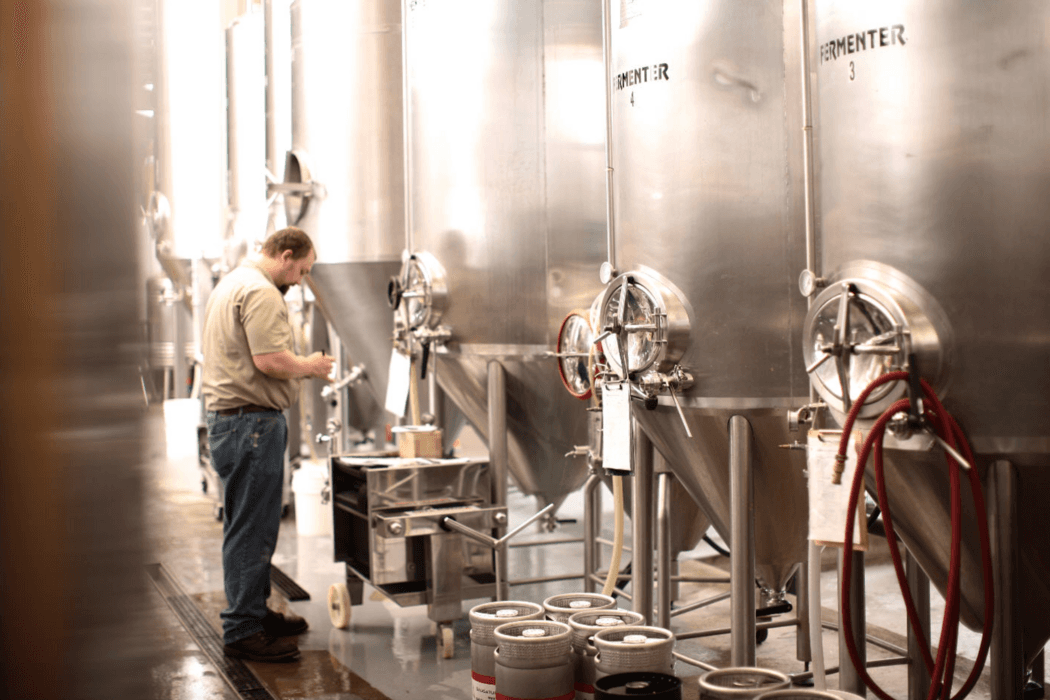
Brewery Vivant did not just sign a collaboration beer with Saugatuck Brewing Company. It began using Saugatuck’s Douglas production facility in the fall of 2025 under an alternating proprietorship, a structure that lets two breweries share one physical site while keeping separate brands, recipes and operational control.
That distinction matters. The arrangement helped Brewery Vivant meet wholesale demand without building out its own larger footprint, and it gave Saugatuck a way to put existing capacity to work in a tough market. Under the federal rules, an alternating proprietorship is a setup in which two or more people take turns using the physical premises of a brewery. The Alcohol and Tobacco Tax and Trade Bureau says the host brewery can rent space and equipment to a tenant brewer, and that the model allows established breweries to use excess capacity while giving another brewer a smaller, lower-cost entry point.
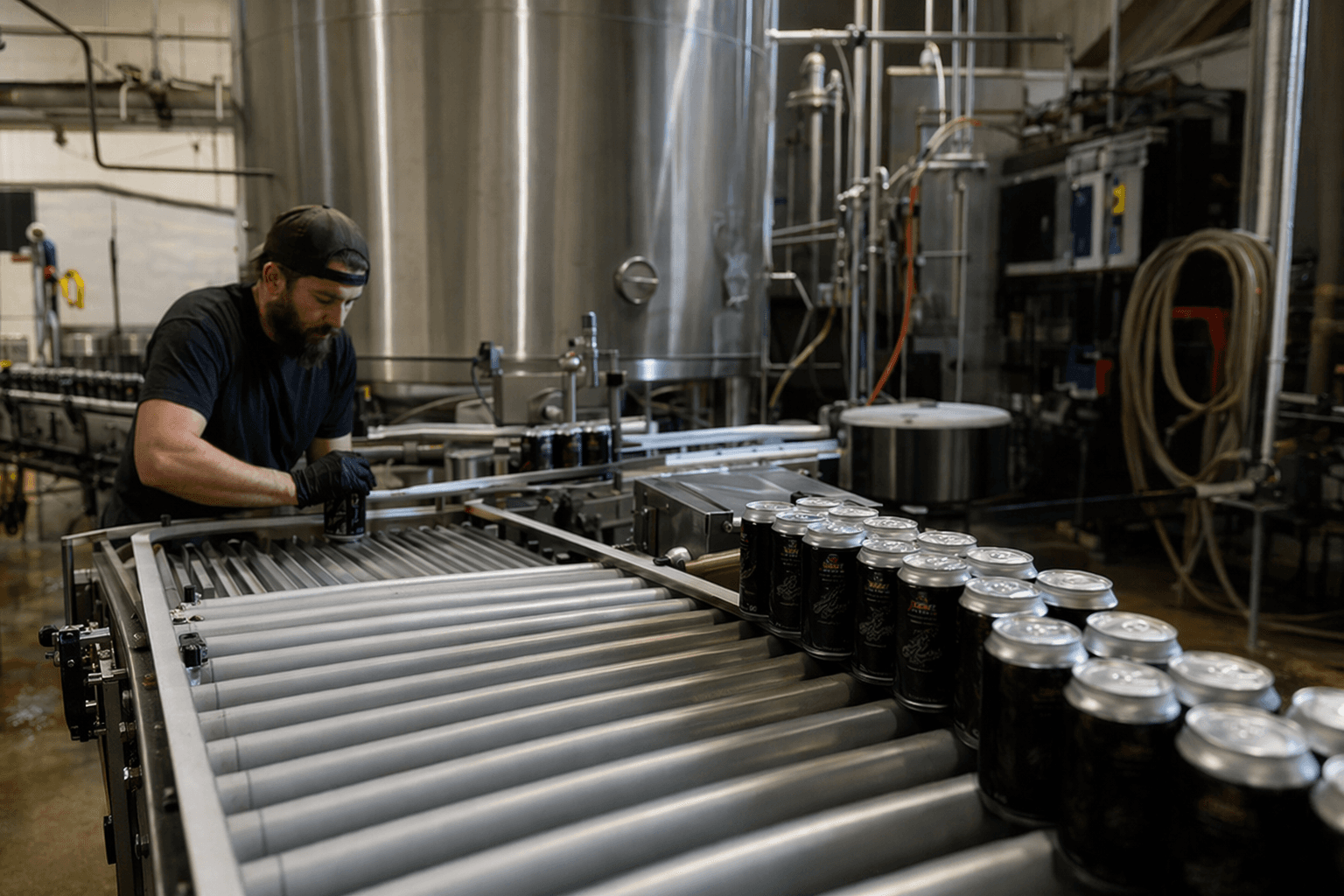
The scale at Saugatuck’s Douglas site helps explain why the model fits. Saugatuck says it was established in 2005 and operates a 45-barrel brew system, 960 barrels of fermentation space and the ability to age more than 400 wood barrels at one time. Brewery Vivant, founded in 2010 by Jason and Kris Spaulding, has long been tied to Grand Rapids’ East Hills neighborhood, where it operates from a refurbished historic funeral home. The move did not change that identity. Vivant remained Vivant, and Saugatuck remained Saugatuck, even as the two companies shared production space.

For West Michigan, the deal reads less like a splashy partnership and more like an operational survival plan. Recent local reporting has said the shared-production move was designed to reduce costs as industry growth slowed, and that is the larger lesson for other regional breweries. When production capacity gets expensive, alternating proprietorships offer a middle path between staying small and taking on the risk of a new build. Brands keep control, labor can be concentrated where the beer is actually being made, and distribution can keep moving without forcing either brewery to shoulder the full burden alone.
The broader Michigan backdrop makes the strategy even more relevant. State craft beverage materials say Michigan had 448 breweries and that craft beverage tourism generated an estimated $892.6 million in tourism spending and 3.9 million visits in 2025. In a state with that much beer traffic, the Saugatuck-Vivant arrangement showed how independent breweries can keep volume flowing by sharing space instead of surrendering identity, a practical answer at a moment when the market is still rewarding efficiency over expansion for expansion’s sake.
Know something we missed? Have a correction or additional information?
Submit a Tip