Southstar Buys 32‑Acre Lone Star Brewery Site, Vows Historic Revival
Southstar purchased the 32-acre Lone Star Brewery site south of downtown San Antonio, aiming to restore the riverfront property and honor the brewery's heritage while tackling major cleanup and redevelopment work.
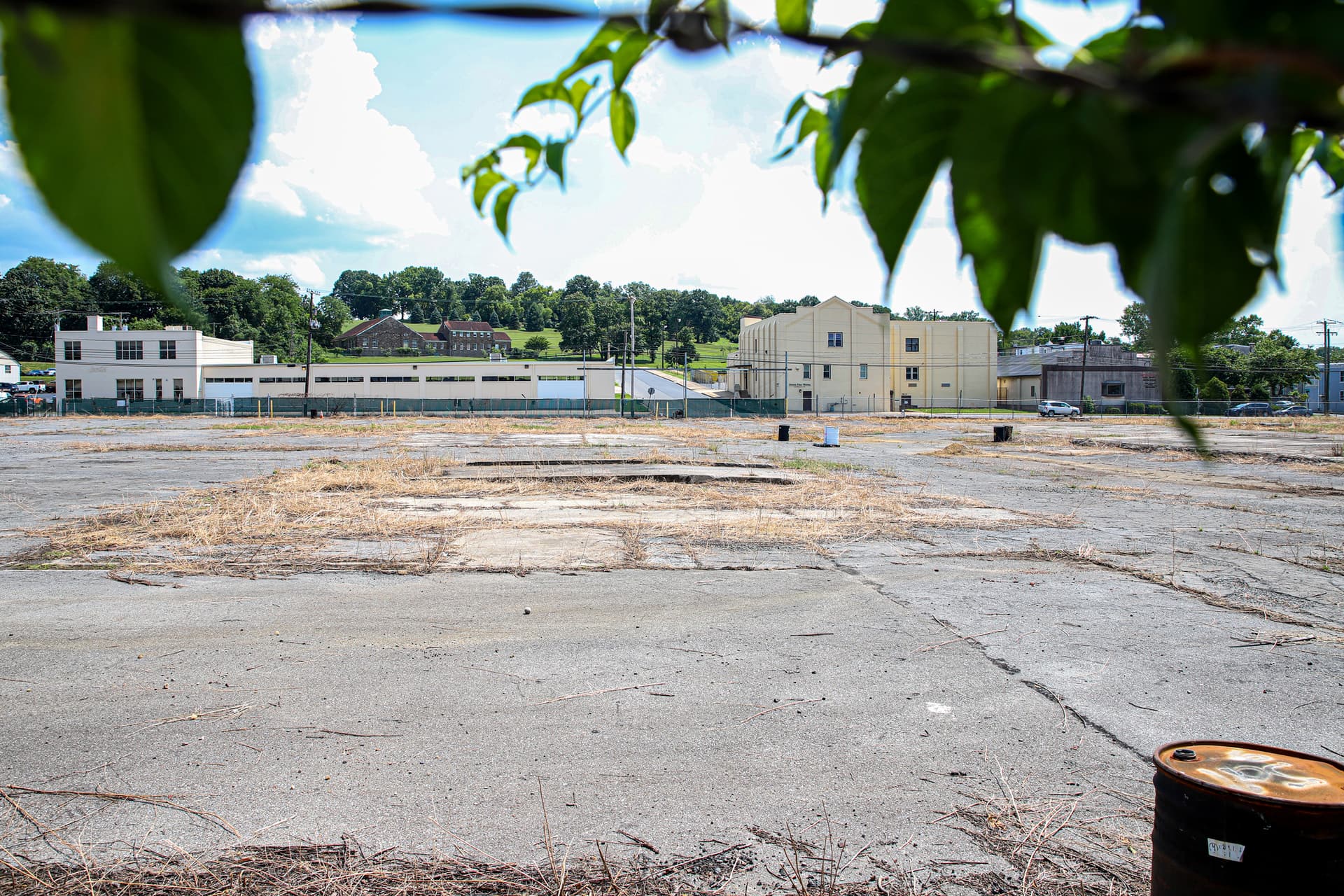
Southstar, a New Braunfels-based developer, bought the long-neglected 32-acre Lone Star Brewery site south of downtown San Antonio from GrayStreet Partners and Midway, a transaction announced Jan. 16, 2026. The deal places a developer with a record of restarting stalled projects in control of one of the region’s most visible brownfield opportunities, and it could reshape riverfront access and brewing history for local beer lovers.
The property closed as a brewery in 1996 and has deteriorated since, drawing repeated redevelopment proposals that never fully took hold. The site’s riverfront location and industrial legacy present both promise and complication. Environmental remediation, aging infrastructure, and regulatory hurdles will shape any plan to return brewing activity or public amenities to the parcel.
GrayStreet and Midway will remain financial partners and provided seller financing to complete the sale, a structure that keeps previous investors at the table while transferring operational control. Southstar’s portfolio includes turning stalled developments into master-planned communities, with examples such as Vida and Mission del Lago cited as evidence of the company’s ability to shepherd complex projects to completion.
Southstar’s leadership framed the work as a blend of preservation and reinvention. The company aims to celebrate Lone Star’s history while guiding a new chapter for the property, a message that signals interest in retaining the site’s brewing identity even as developers pursue mixed uses and public access. For the craft beer and homebrewing community, that combination raises the possibility of brewery-oriented destinations, taprooms, beer gardens, or interpretive elements that honor Lone Star’s legacy alongside housing, retail, and green space.
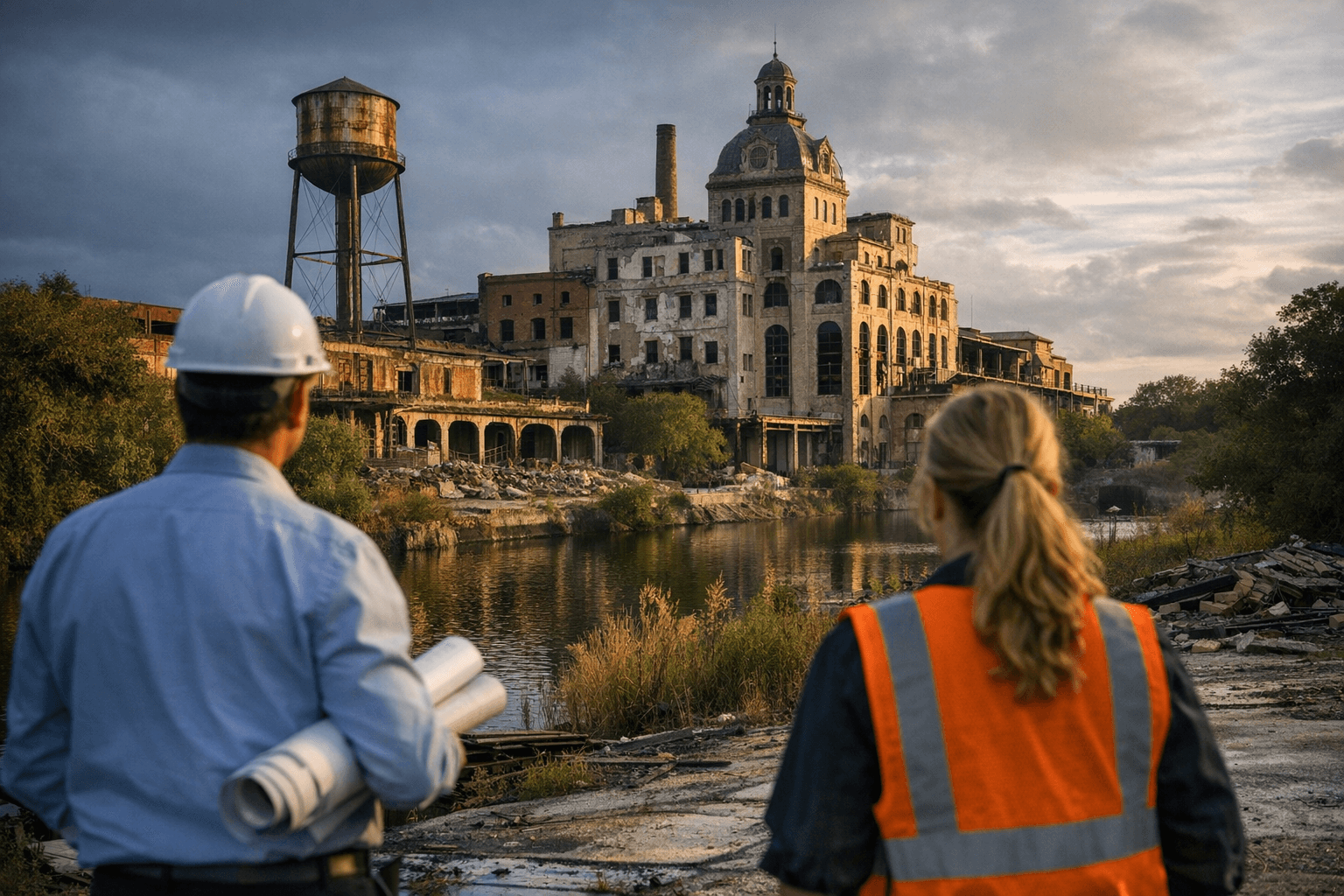
Practical next steps will likely include thorough environmental assessments, permitting, public input, and a phased master plan that balances contamination cleanup with economic feasibility. Those processes can take years, especially on former industrial sites, so any physical return of brewing operations will depend on remediation outcomes, market demand, and financing. Southstar’s history with similar turnarounds suggests the company understands those timelines, but the community should expect careful study and staged development rather than immediate construction.
For homebrewers and small craft operators, the acquisition represents a long-term opportunity. If redevelopment includes brewery space or hospitality uses, local brewers could gain new taproom real estate and beer tourism flow to the Southside riverfront. For neighbors, success would mean reclaimed river access, jobs, and a preserved piece of San Antonio’s brewing story.
What comes next is a series of technical and planning phases that will determine whether Lone Star’s site becomes a restored brewing landmark or a mixed-use neighborhood with a nod to its past. Follow upcoming environmental reports, public meetings, and master-plan filings to track when the taps might truly flow again.
This article was produced by Prism’s automated news system from verified source data, official records, and press releases, then run through automated quality and moderation checks before publishing. The system is built and supervised by the people who set the standards it runs under. Read our full AI policy.
Did this article answer your question?