Tin Whistle Brewing Marks 30 Years, Announces Year Long Releases
Penticton based Tin Whistle Brewing celebrated its 30th anniversary with a year long series of 12 special beers, a string of medals at the B C Beer Awards, and a renewed focus on sustainability and community connection. The milestone matters because it highlights the brewery's role as the Okanagan's craft beer pioneer, and signals practical changes for local retailers, homebrewers, and supply chains as climate pressures reshape brewing operations.
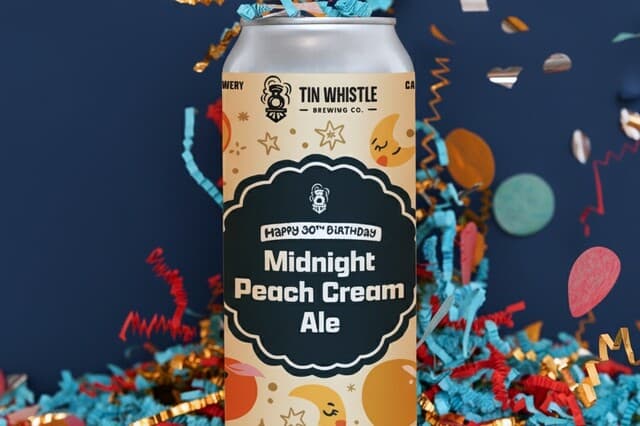
Tin Whistle Brewing marked three decades in business on December 22, 2025, capping a year of anniversary releases and renewed public attention to the brewery's local legacy and environmental work. Founded in 1995 as the first craft brewery in the Okanagan, Tin Whistle spent the anniversary year releasing a dozen special beers, one each month, to trace its history and experimental side. One example from that series is Midnight Peach Cream Ale, a seasonal release that paired fruit character with a smooth cream ale base.
The brewery also brought home several medals at the B C Beer Awards, including a gold for Black Widow Dark Lager, a result that underscored both consistency and the relevance of traditional lager styles in a market often dominated by hazy IPAs. Those wins help retail partners and taproom operators plan promotions and reorder priorities for the coming season.
Sustainability has been central to Tin Whistle's identity for several years. The company established itself as B C's first carbon neutral brewery in 2021, and it was recognized among Canada's Clean50 honourees in 2025 for ongoing environmental leadership. Those credentials matter to customers who prioritize low impact production, and they position the brewery as a model for other small producers looking to reduce emissions and operating costs.

Owners framed the anniversary as a community owned achievement, saying the brand belongs to the region that supported it. They also explained that climate related supply challenges have been influencing brewing operations, from hop variability to ingredient logistics, and that adapting sourcing and recipe plans has become an ongoing part of production management.
For local drinkers and homebrewers the practical takeaways are clear. Expect Tin Whistle to keep limited anniversary beers rotating into retail and taproom lists, and plan ahead for seasonal favorites as weather influenced crop shifts continue to affect availability. For brewers at home, the brewery's sustainability measures and ingredient adaptation strategies offer useful models for reducing waste and responding to changing supply conditions while keeping quality and community ties front and center.
This article was produced by Prism’s automated news system from verified source data, official records, and press releases, then run through automated quality and moderation checks before publishing. The system is built and supervised by the people who set the standards it runs under. Read our full AI policy.
Did this article answer your question?