World's Oldest Monastic Brewery Weltenburger Sold as German Beer Slumps
Weltenburger was sold to Schneider Weisse as German beer sales plunge, aiming to preserve the historic brand and jobs.

Germany's Weltenburger, widely regarded as the world's oldest monastic brewery, was sold to Munich-based Schneider Weisse as part of a consolidation move prompted by steep declines in national beer consumption. The Regensburg diocese and Schneider Weisse agreed the transfer after Weltenburger ran in the red for several years and the church repeatedly injected funds to keep the operation afloat.
Brewed at Weltenburg Abbey on the Danube in Bavaria for nearly 1,000 years, Weltenburger will continue to be produced at the abbey site even after ownership changes. The Benedictine monks retained ownership of the facility through the Catholic church but handed day-to-day production to hired staff from the Bischofshof brewery about 50 years ago. Under the sale terms, the 21 Weltenburger employees will remain on staff. Bischofshof, founded in 1649 and employing 56 people, will also be sold to Schneider Weisse; it is expected to cease production by year-end with its brand rights transferring to Schneider. The planned transfer is slated to be completed by January 2027, and the diocese is searching for placement options for redundant Bischofshof workers.
The deal lands against a backdrop of a marked slump in German beer markets. Turnover has shrunk by about a quarter over the past 15 years, and 2025 recorded a drop of 5 million hectolitres, the steepest fall in 75 years. Brewers face shifting consumer habits, rising demand for non-alcoholic options, and the practical limits of innovation under the Reinheitsgebot purity law. Industry consolidation and acquisitions are becoming increasingly likely as small and regional producers adjust to lower volumes and tighter margins.
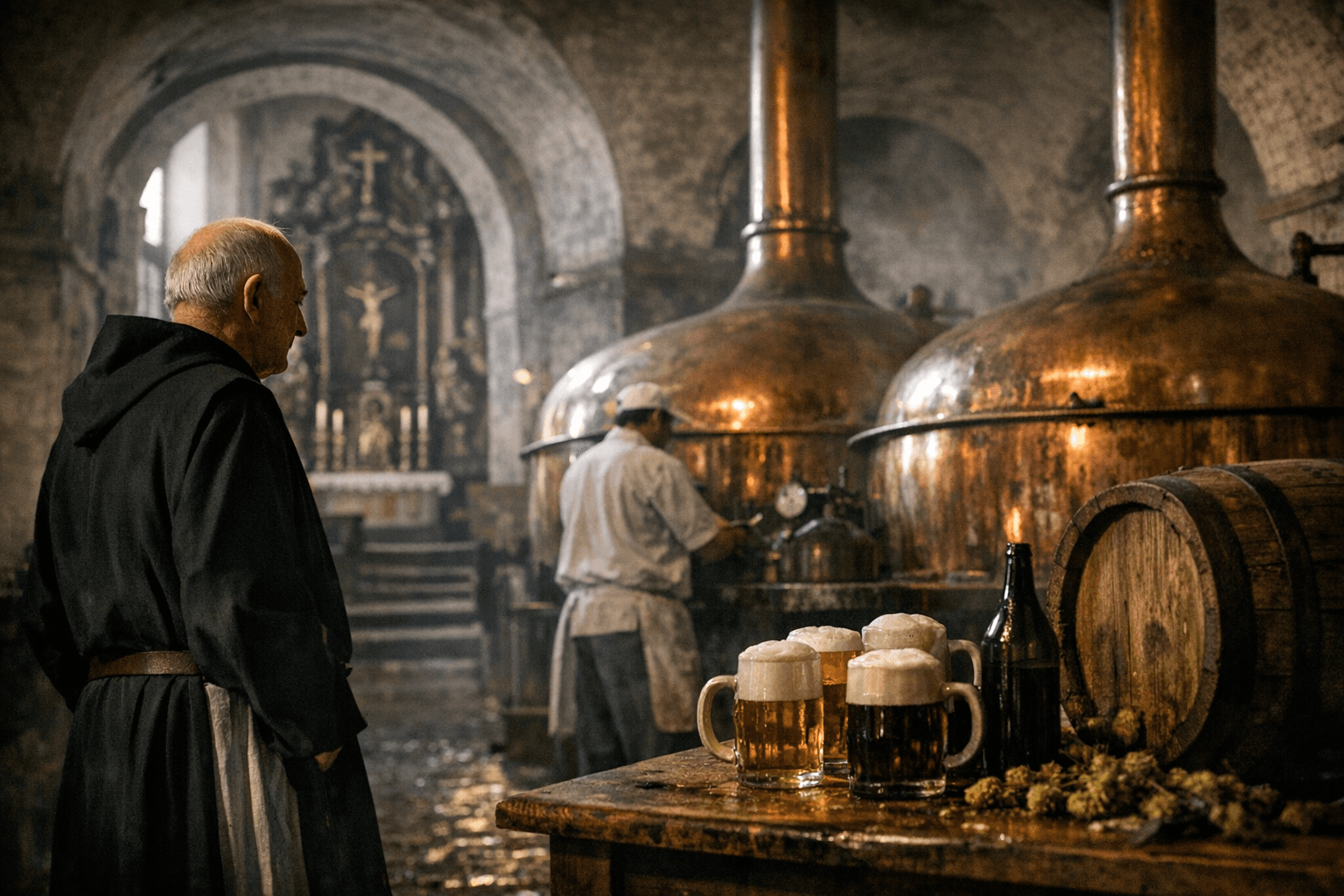
For homebrewers and craft beer communities, the sale has several practical implications. Preserving production at the abbey preserves a living brewing heritage that attracts roughly half a million visitors a year, sustaining beer tourism and regional taproom traffic. At the same time, the transfer of brand rights and the expected closure of Bischofshof's production raise questions about continuity of recipes, yeast strains, and small-batch experimentation. Watch labels and bottle codes for changes in production location, and expect packaging or distribution shifts as Schneider Weisse integrates the brands.
Community brewers and shop owners should also take this as a reminder to support local draught outlets and regional specialties while they remain widely available. For those interested in provenance, a pilgrimage to Weltenburg Abbey now doubles as a chance to sample a piece of brewing history on-site before further market-driven changes reshape distribution.
Consolidation will reshape availability and possibly the character of some regional beers, but the deal keeps Weltenburger brewing where it started and preserves jobs for 21 staffers. The next year will show whether the acquisition stabilizes the brand, how Schneider Weisse handles traditional recipes, and whether more legacy breweries follow into mergers as German beer demand continues to evolve.
This article was produced by Prism’s automated news system from verified source data, official records, and press releases, then run through automated quality and moderation checks before publishing. The system is built and supervised by the people who set the standards it runs under. Read our full AI policy.
Did this article answer your question?