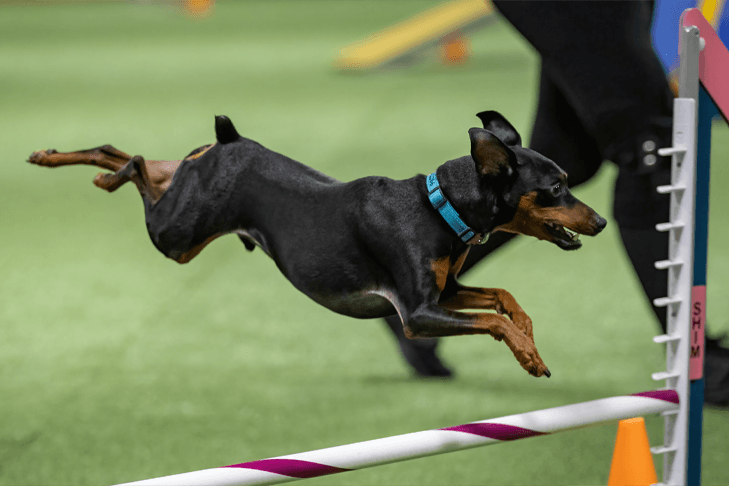
AKC breaks down dog intelligence, highlights smartest high-energy breeds
AKC says dog smarts come in three forms, and high-drive breeds can turn brilliance into chaos without a job. Border Collies, Poodles, Shepherds, and Goldens show why.
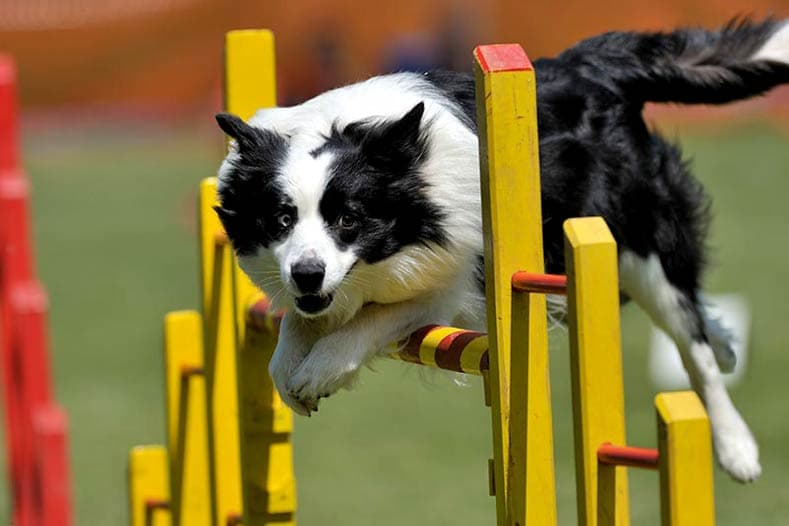
A Border Collie rocketing through an agility course is easy to admire, but AKC’s intelligence breakdown asks a sharper question: what happens when that same brain goes home with you? The answer is the story here. Canine intelligence is not one trait, and in a high-energy dog, brains often come packaged with a need for structure, purpose, and a serious outlet.
What AKC means by canine intelligence
AKC’s framework separates dog smarts into three parts: instinct, adaptive problem-solving, and school learning. Instinct is the breed’s built-in talent, the work it was shaped to do in the first place. Adaptive problem-solving is the ability to figure things out on the fly, while school learning is the part owners see in training, cue work, and repetition.
That distinction matters because one dog can be outstanding in one category and merely average in another. A herding dog may read movement with almost eerie precision, while another breed may pick up obedience drills in a flash but show less natural drive for a job in the field. AKC’s point is not that one type of intelligence is better, but that each type changes how a dog lives and learns.
The broader framework comes from Stanley Coren’s *The Intelligence of Dogs*, first published in 1994 and revised in 2006. Coren tested 120 breeds in the early 1990s, then expanded the 2006 edition to 131 breeds, with some tied at the same rank. His list has been controversial for years because it leans heavily on working and obedience intelligence, not every kind of canine ability.
Why a brilliant dog can still be harder to live with
For Hyperenergetic Dogs readers, the useful takeaway is practical: intelligence often magnifies the need for engagement. A smart dog that does not get enough structure does not simply sit there looking disappointed. It starts making its own decisions, and those decisions can involve your furniture, your fences, your routine, or your sanity.
That is where overarousal risk comes in. High-drive breeds are not only energetic, they are wired to notice patterns, anticipate what happens next, and keep pushing for more. If you only give physical exercise, you may burn off part of the engine while leaving the brain still hungry. Mental work, obedience drills, scent tasks, and dog sports can matter just as much as a long walk.
AKC’s own dog-age guidance helps explain why this happens so fast. Dogs are commonly compared to a 2-year-old human in terms of intelligence, but by the time a dog reaches 2, that second year is roughly comparable to about 9 human years under common age-conversion guidance. In other words, dogs learn quickly, read cues quickly, and absorb household patterns with surprising speed. That makes them brilliant partners, but also very effective self-employed troublemakers when the schedule is too loose.
Border Collie: the classic job-first athlete
The Border Collie is the clearest example of brains meeting drive. AKC describes the breed as an extremely hard worker, very high energy, and one that does best when it has a job to perform. That job can be agility, herding, or obedience work, and the breed’s lightning-fast style makes those outlets feel less like hobbies and more like purpose.
This is where intelligence and manageability split apart. A Border Collie that has regular work may look almost effortless in motion, but a Border Collie that is underemployed can become a master of inventing tasks nobody assigned. For this breed, training is not a nice extra. It is part of how the dog stays settled enough to be a companion.
Poodle: quick learning needs clear structure
Poodles show another side of the same equation. AKC says they are highly intelligent, eager, active, and need a lot of stimulation. When owners give explicit, consistent instruction, they train quickly, which makes them feel almost tailor-made for owners who like visible progress.
That same quick learning can cut both ways. Mixed signals, loose household rules, or repetitive routines without enough challenge can leave a Poodle underused rather than satisfied. The breed’s intelligence shines when the work is clear, consistent, and varied enough to keep the brain engaged as much as the body.
German Shepherd Dog: work ethic in a powerful frame
The German Shepherd Dog brings a different kind of intensity. AKC describes the breed as a large, agile, muscular dog of noble character and high intelligence, developed for superior working ability, and generally considered an all-purpose worker. AKC also notes that the breed needs regular tasks to remain content.
That matters because Shepherd brains are not built for idle time. They thrive when there is a role to fill, whether that is training, sport, or structured work around the house. Without that regular assignment, their confidence and vigilance can spill into restlessness, which is exactly why this breed can be so rewarding and so demanding at the same time.
Golden Retriever: adaptable, trainable, and always ready to do more
Golden Retrievers may look easier to live with at first glance, but they still fit the same high-drive pattern. AKC calls them highly adaptable and trainable, and describes them as enthusiastic dogs that bring the same zeal for life outside of work too. They are also used in hunting, fieldwork, search-and-rescue, and service work.
That versatility is part of the appeal. Goldens often seem like the most social, most flexible version of the high-intelligence, high-energy package, but they still need a job in the form of training, retrieval games, field work, or service-style structure. Their eagerness makes them welcoming companions, yet that eagerness still needs direction.
The smarter way to choose activities
For a high-energy dog, the best fit is rarely just more exercise. It is a mix of physical effort and mental demand: obedience work, scent games, agility, herding, field tasks, or any routine that gives the dog a clear purpose. That is the lens AKC’s intelligence roundup encourages, because intelligence without outlet can become pressure instead of polish.
Seen that way, the article is less a list of brilliant breeds than a reminder that intelligence is a lifestyle cue. On the agility field, a Border Collie’s speed is obvious. At home, the real challenge is giving that same bright, hard-charging brain enough work that it stays a teammate, not a self-appointed project manager.
This article was produced by Prism’s automated news system from verified source data, official records, and press releases, then run through automated quality and moderation checks before publishing. The system is built and supervised by the people who set the standards it runs under. Read our full AI policy.
Know something we missed? Have a correction or additional information?
Submit a Tip