AKC explains calm dog breeds, how temperament is tested
Calm breeds are not just low-key by accident. AKC shows how temperament testing, socialization, and breed history reveal the real off switch.
A calm dog is not a dog with no engine. It is a dog whose reactions stay measured when smells, sounds, touches, and objects start piling on, which is exactly why AKC’s calm-breeds feature matters to anyone living with a dog that runs hot. Temperament is part of breed design, and when you understand that, you stop guessing based on looks and start reading the dog in front of you.
Calm is a behavior profile, not a personality cliché
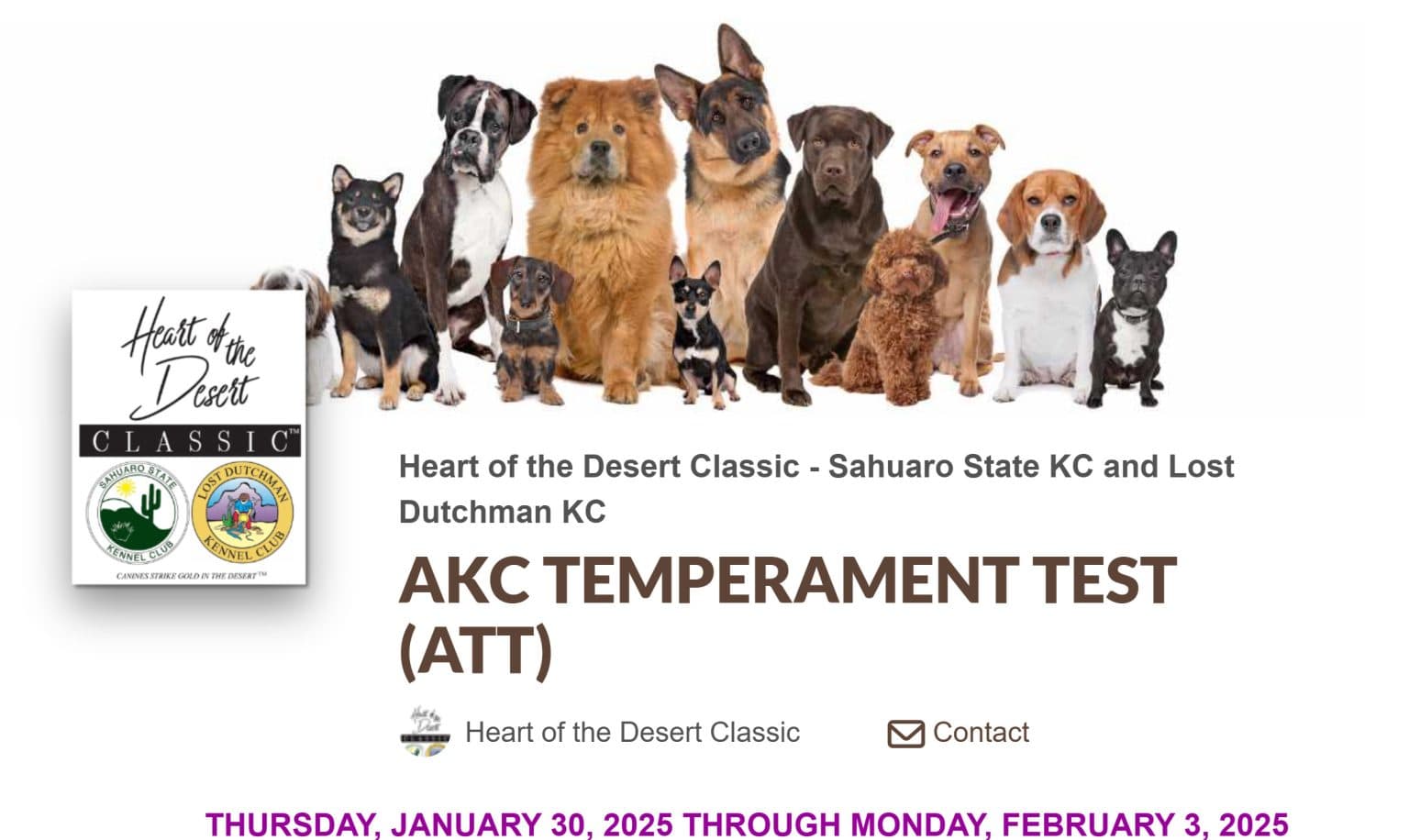
AKC treats temperament as a dog’s expected response to the world around it, and its Breed Temperament Guide is built around that idea. The guide looks at how a breed tends to react to stimuli such as smells, sounds, touches, and objects, while the AKC Temperament Test, or ATT, measures how a dog responds to a variety of those triggers. That test is open to all breeds, including mixed-breed dogs, which is a useful reminder that calmness is not reserved for one type of pedigree.
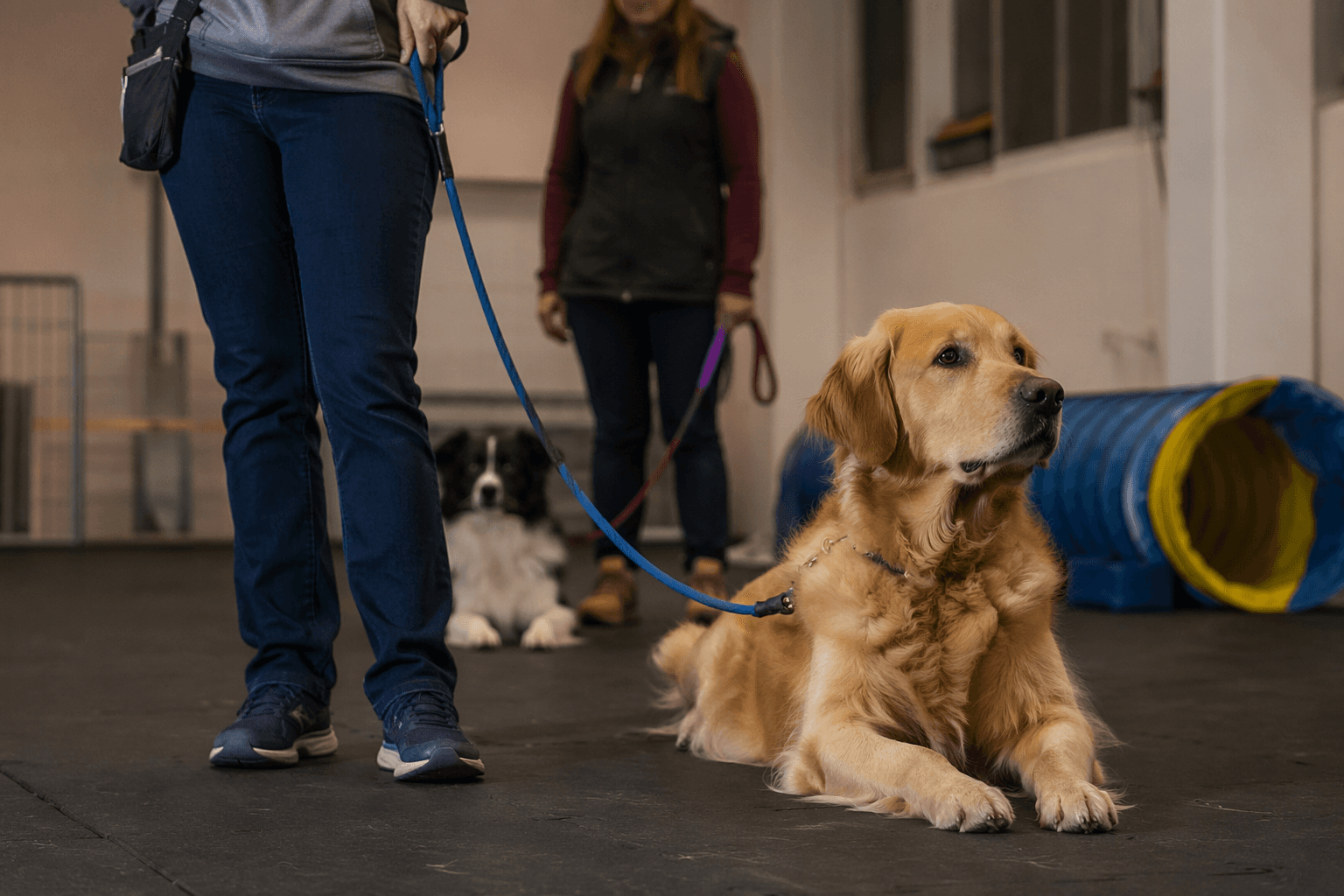
The important distinction for high-energy homes is this: calm dog breeds are expected to maintain composure in certain situations and respond in a measured way rather than with growling, lunging, or obvious stress. That does not make them effortless or low-maintenance. It means they often have a more usable off switch in a busy house, around chaos, or in settings where steadiness matters more than raw intensity.
What shapes temperament beyond the breed label
Breed matters, but it does not get the final word. AKC notes that temperament is shaped by breed traits, training, socialization, and environment, which is why two dogs from the same breed can land very differently in real life. If you live with a hyper dog, this is the part that saves you from bad assumptions: a dog can be genetically sharp on paper and still be a disaster to live with if it never learned to settle.
The American Veterinary Medical Association says the best time to start puppy socialization is between 3 and 14 weeks of age. That window is about preparing a puppy to be comfortable around other animals, people, places, and activities, and it matters because early exposure helps decide whether novelty becomes manageable or explosive. For a high-drive dog, that early work is the difference between a dog that can cool down after a busy morning and one that keeps revving long after the fun is over.
Where calm breeds fit in the real world
AKC says calm breeds can thrive around children, in medical settings as therapy dogs, or in jobs involving other animals such as herding or guarding. That is the real clue here: calm does not mean passive, and it does not mean soft in every context. It means the dog can hold itself together when the job demands patience, steadiness, and repeatability.
Therapy work is a clean example. AKC says therapy dogs are typically social and calm, and after training and certification they visit people in schools, hospitals, nursing homes, and similar settings. The AKC Therapy Dog Program recognizes volunteer dog-and-handler teams and awards official titles, but therapy dogs are not the same thing as service dogs or emotional support animals. For owners of energetic dogs, that distinction matters because therapy work rewards composure first and drive second.
Basset Hound is the warning label and the clue
If you want one breed that shows why calm and trainable are not the same thing, look at the Basset Hound. Its roots run through France and Belgium, and the word “basset” is French for “low.” AKC says the modern breed came about when Franciscans of the Abbey of St. Hubert began breeding older French hounds, and the whole package was built for a very specific kind of work.
That work was hunting on its own and following a track without distraction. AKC says Basset Hounds are very independent, and training can be challenging because the breed was developed to hunt alone and stay locked onto scent. The breed standard says the Basset is built to follow a trail over difficult terrain and is “mild, never sharp” in temperament. That combination is the lesson: a dog can be calm in temperament and still be stubborn, independent, and not especially eager to obey on the first request.
AKC’s history piece adds another layer by pointing to Stanley Coren’s 1994 ranking, which placed the Basset Hound 71st out of 79 breeds in working and obedience intelligence. That ranking was tied largely to reluctance to obey the first time, not to some total lack of brains. In other words, the Basset is not a fool. It is a specialist bred to make its own decisions.
What this means if you live with a hyperenergetic dog
AKC is blunt about the energy gap: high-energy breeds require much more exercise than lower-energy breeds. The active-breeds roundup pushes that even further, noting that some dogs are built for endurance sports and need enough physical and mental activity to keep up with athletic owners. If you are choosing a playmate, a second dog for the house, or a future breed, that should be the first filter, not coat type or looks.
You want to think about recovery time as much as play style. A truly useful house dog for a high-drive home is not just one that can sprint, herd, retrieve, or keep pace on a trail. It is one that can come back down, hold composure when life gets noisy, and not turn every stimulus into a full-body event.
That is the real takeaway from AKC’s calm-breeds guidance. The goal is not to find the dullest dog in the room. The goal is to understand which dogs are built to stay steady when the world gets loud, which ones were bred for independent work, and which ones need a different kind of management because their engine was meant to run hot in the first place.
This article was produced by Prism’s automated news system from verified source data, official records, and press releases, then run through automated quality and moderation checks before publishing. The system is built and supervised by the people who set the standards it runs under. Read our full AI policy.
Know something we missed? Have a correction or additional information?
Submit a Tip