AKC urges flexible breeder rules, cites exercise and socialization needs
AKC told USDA APHIS to keep breeder rules flexible as federal officials weigh dogs’ exercise and socialization needs. The fight could reshape kennel standards.

A federal review of breeding-female care and dogs’ exercise and socialization needs has pushed the American Kennel Club to argue for flexible kennel rules rather than one rigid prescription for every breed. The club has formally replied to the USDA Animal and Plant Health Inspection Service, warning that the way APHIS handles this request for information could shape future federal expectations for breeders licensed under the Animal Welfare Act.
At the center of AKC’s response is a basic definitional problem: federal rules still do not clearly define “breeding female.” That leaves uncertainty for both breeders and regulators at a time when APHIS is asking whether dogs in breeding facilities need different care standards than nonbreeding dogs. AKC says responsible breeding depends on the health of the brood bitch, and that care has to be tailored to the dog, the breed, and the facility rather than forced into one-size-fits-all standards.
APHIS opened the request for information on February 17, 2026, in the Federal Register under docket APHIS-2025-1000, then extended the comment deadline from March 19 to April 20. The agency said the review is meant to identify outdated standards and bring in newer science and stakeholder input. It also noted that most federal dog welfare standards were last substantially revised in 1991, with minor updates added in 2020, making this one of the clearest signs yet that long-standing kennel rules could be due for a broader reset.
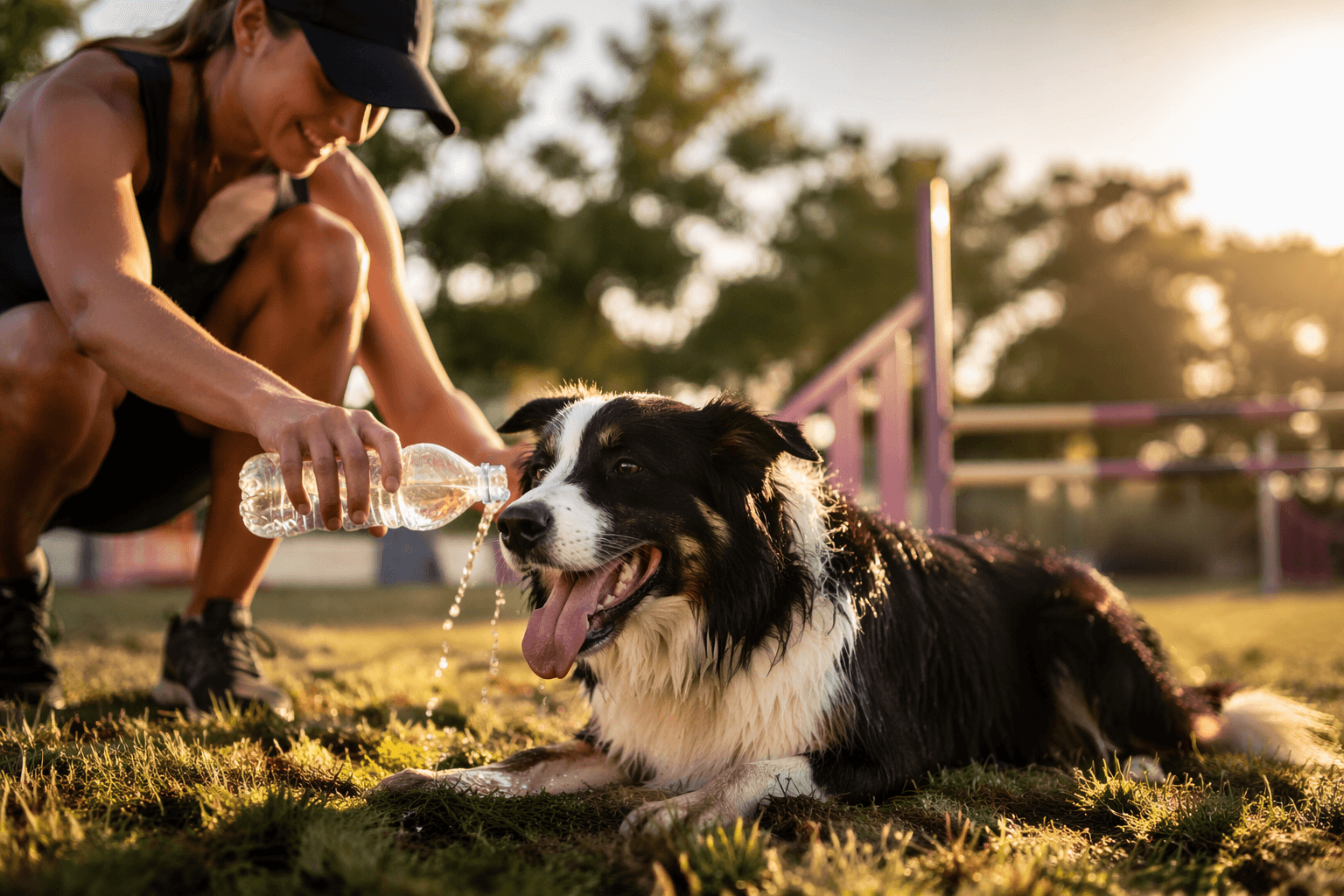
The questions go well beyond breeding females. APHIS asked for scientific information on exercise needs by age, breed, health, exercise type, frequency and duration, along with studies on the effects of human interaction on the health and welfare of dogs in breeding facilities. That matters for sport homes, working lines and high-drive breeds, where activity and early handling can shape confidence, resilience and long-term suitability for family life or performance work.
AKC’s filing says exercise and socialization are not optional extras. The organization argues they are essential to producing confident, well-adjusted dogs, and that breeders should be able to adapt care, play and activity to the needs of each breed and each dog. The club has long backed kennel improvements including more space, better exercise, environmental enrichment and outdoor access, and it says information requests like this often come before formal changes to the rule that implements federal regulations.
Public interest has already built around the docket. Regulations.gov showed 42 public comments in APHIS-2025-1000, signaling that the debate over breeding-female care, exercise and socialization is not staying on paper. For breeders, handlers and anyone relying on stable, energetic dogs, the next round of federal action could reach all the way into daily kennel management.
This article was produced by Prism’s automated news system from verified source data, official records, and press releases, then run through automated quality and moderation checks before publishing. The system is built and supervised by the people who set the standards it runs under. Read our full AI policy.
Did this article answer your question?