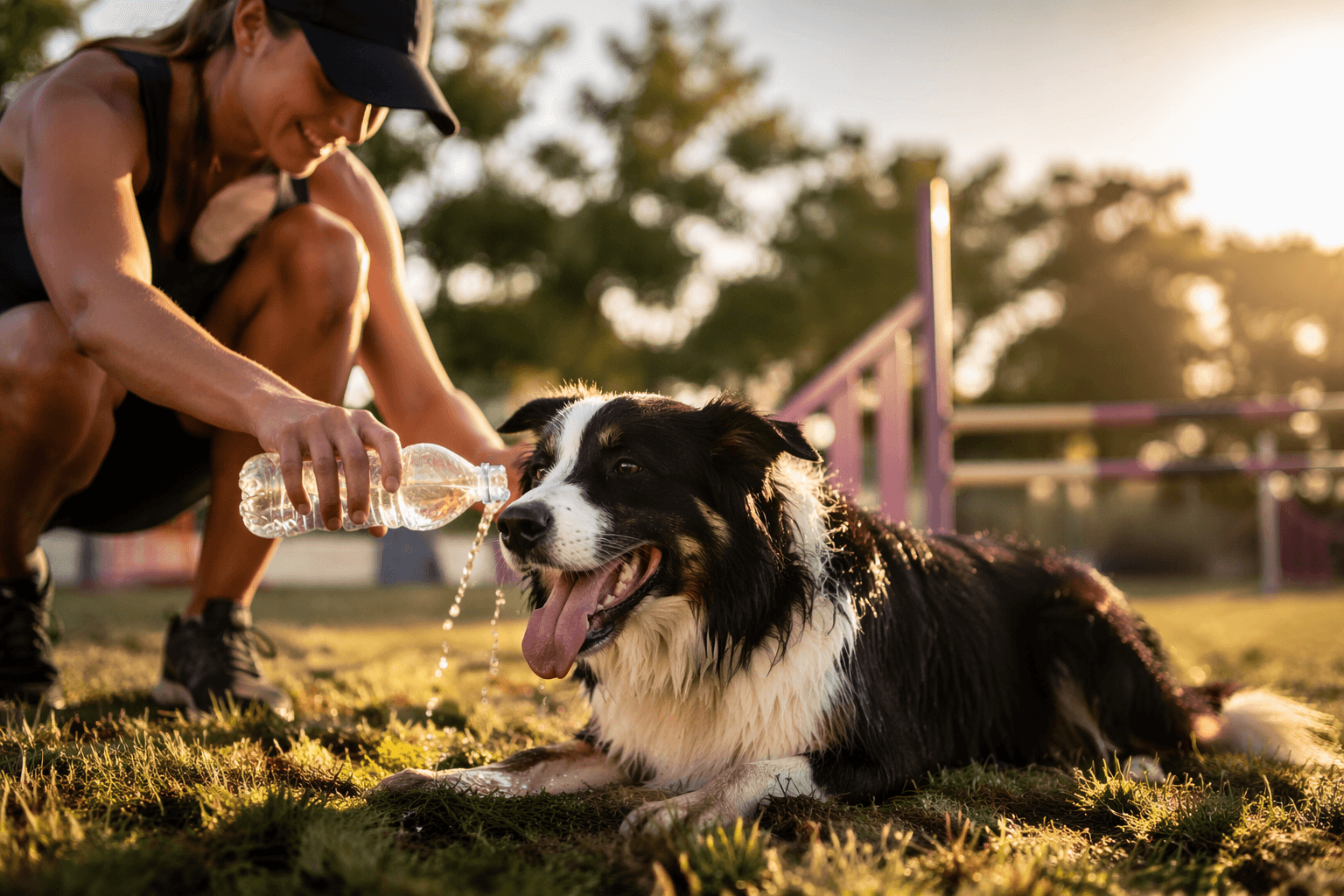
Australian Shepherds Need Constant Stimulation or They Herd Everything
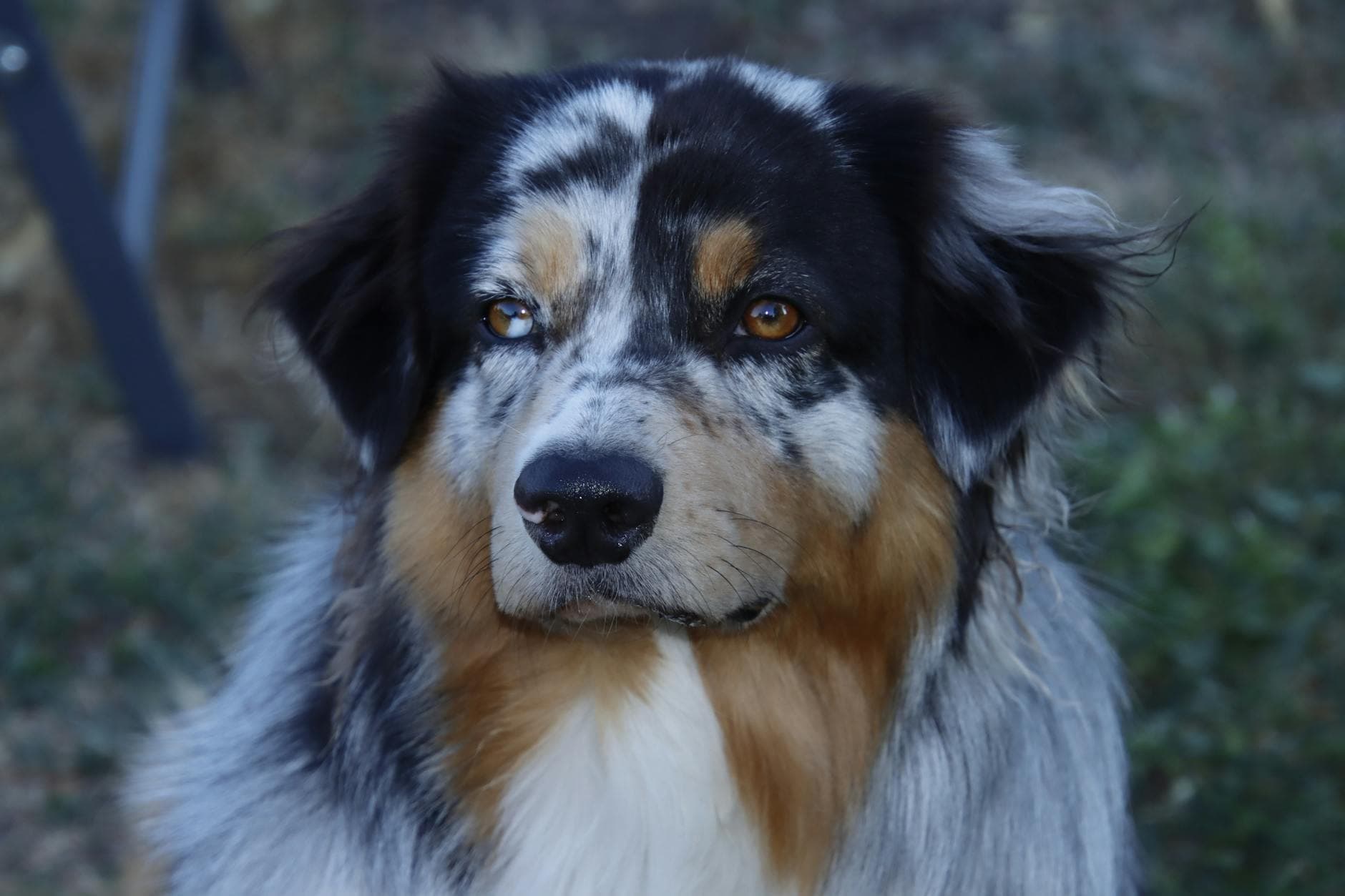
Aussies don’t just need exercise, they need a job, or they will invent one by herding kids, dogs, birds, and the furniture.
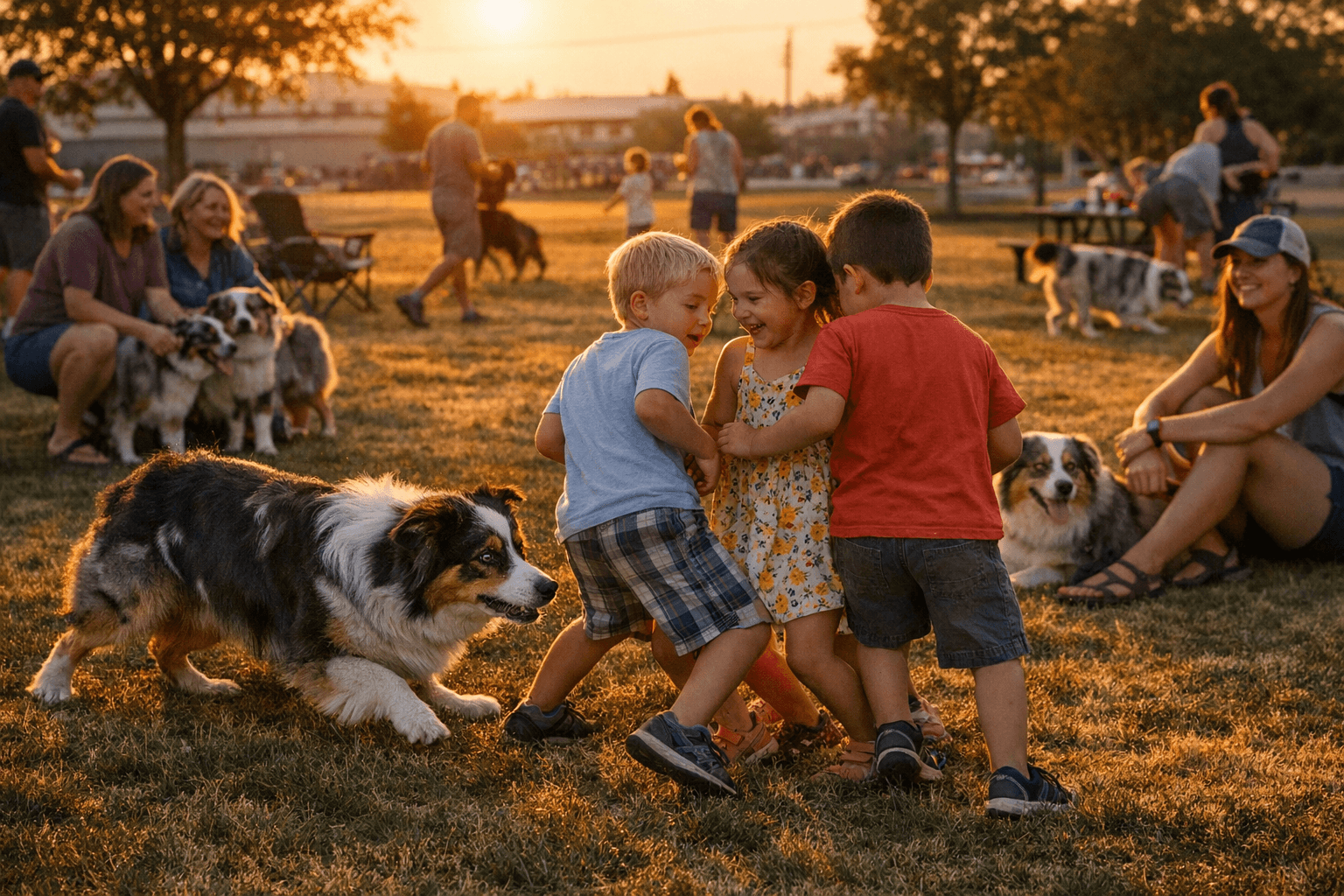
When an Aussie gets bored, the house becomes the job site
An Australian Shepherd with nothing to do rarely stays idle for long. The breed’s default setting is motion, focus, and a hardwired urge to organize the world around it, which is why bored Aussies so often turn into hallway traffic cops, sock thieves, shoe movers, and kid-herders.
That is not a quirk so much as breed design. The American Kennel Club describes the Australian Shepherd as an intelligent working dog with strong herding and guarding instincts, plus the stamina to work all day. In plain home-life terms, that means a tired Aussie is usually a good dog, but an underworked one will find a job whether you assigned it or not.
What the breed was built to do
The Australian Shepherd is built for more than casual walks around the block. The breed standard says these dogs are smart, work-driven, and exuberant, with an irresistible impulse to herd birds, dogs, and kids. That same drive explains why Aussies are so often seen as a natural fit for dog sports, ranch work, and families that actually want a dog with a full-time agenda.
There is also a useful reminder in the breed’s size and lifespan. Most Aussies weigh about 40 to 65 pounds, stand roughly 18 to 23 inches tall, and are expected to live 12 to 15 years. That is a long stretch of living with a high-energy worker in the house, which makes early habits and daily outlets matter from puppyhood through adulthood.
Why boredom turns into trouble so fast
VCA Animal Hospitals says Australian Shepherds can become easily bored, and that boredom does not usually stay quiet. When the brain and body are underused, owners tend to see destructive behavior, restless pacing, nuisance barking, and the breed’s trademark herding instinct getting redirected at whatever moves.
That is the part many households underestimate. A dog bred for stamina and control does not simply “burn off” extra energy by hanging around the yard. Without direction, it will start trying to create order on its own, and that can mean circling children, gathering other pets, or trying to manage every burst of motion in the home.
The best outlets are jobs, not just exercise
Aussies need movement, but they need mental work just as badly. The AKC says a job or activity is a must, and puppy-training guidance makes the point bluntly: if you do not teach an Aussie what to do, it will learn something else instead. That is the real daily-life warning for owners of high-drive dogs of any breed.
VCA recommends reward-based training built around games, food, or praise, which fits the breed’s need to think while it moves. The strongest outlets combine brain and body, and the most useful ones include:
- Herding work, for dogs that need to use their instincts in a controlled setting
- Agility, for speed, handling, and focus
- Flyball, for fast-response drive and teamwork
- Disc catching, for high-intensity movement with a task attached
These are not luxury add-ons for a “busy” dog. For an Australian Shepherd, they are the difference between a dog with a purpose and a dog that has decided your living room is its ranch.
Why this breed works so well in sport and work homes
The same traits that can make an Aussie intense indoors are exactly what make the breed shine in the right setting. The AKC calls them a great breed for exercise and dog sports, and also describes them as a good fit for families, pets, working dogs, and therapy dogs. Intelligence, eagerness, and a work-first mindset are assets when they are matched with structure.
That balance is what makes the breed such a recognizable example of the broader working-dog challenge. Australian Shepherds are not the only dogs that need more than a token walk, but they are one of the clearest reminders that high-drive dogs need outlets that let them use their instincts instead of fighting them.
A breed with an all-American story, despite the name
The Australian Shepherd’s name still confuses a lot of people, but the breed story is more American than the label suggests. The AKC says the breed was perfected in California by way of Australia, while VCA says it evolved on farms and ranches in the United States. The United States Australian Shepherd Association says the breed as we know it today developed exclusively in the United States.
The name itself is tied to Basque sheepherders who came to the United States from Australia in the 1800s. That history matters because it explains the dog’s operating system: this is a ranch-built worker, not a decorative companion that happens to enjoy a jog now and then.
How to raise one without getting outworked
Puppyhood is where the difference between a brilliant teammate and a daily chaos machine starts to show. AKC puppy guidance says Aussies are smart, energetic, eager to please, and need mental stimulation from the start. That means you are not just teaching manners, you are giving the dog a job it can understand and repeat.
- Short training sessions that reward quick thinking
- Daily physical outlets that are more than a lap around the yard
- Tasks that channel herding instinct into acceptable work
- Consistent rules, because smart dogs exploit inconsistency fast
A practical Aussie routine usually needs a mix of structure and challenge:
That approach is especially important in the first year, when habits form quickly and the dog learns whether humans are worth listening to or whether it should invent its own curriculum.
The bigger lesson for high-energy households
Australian Shepherds are a useful example because they make the stakes visible. When a dog is bred to work all day, high energy is not a phase and mental stimulation is not optional. If that drive is ignored, the result is often exactly what owners complain about most: destruction, obsession, and a dog that starts herding anything that moves.
For households that want a companion with drive, the Aussie can be exceptional. For everyone else with a hyperenergetic dog, the lesson is the same one this breed keeps proving in real homes: give the energy a task, or the dog will write one itself.
This article was produced by Prism’s automated news system from verified source data, official records, and press releases, then run through automated quality and moderation checks before publishing. The system is built and supervised by the people who set the standards it runs under. Read our full AI policy.
Did this article answer your question?