Aylburton Teen Daisy O'Donnell Wins National Canicross Silver With Home-Bred Pointer
Wiz, Daisy O'Donnell's home-bred pointer, won the final BSSF round outright at Kinnaird Castle to seal national canicross silver for the 13-year-old Aylburton handler.

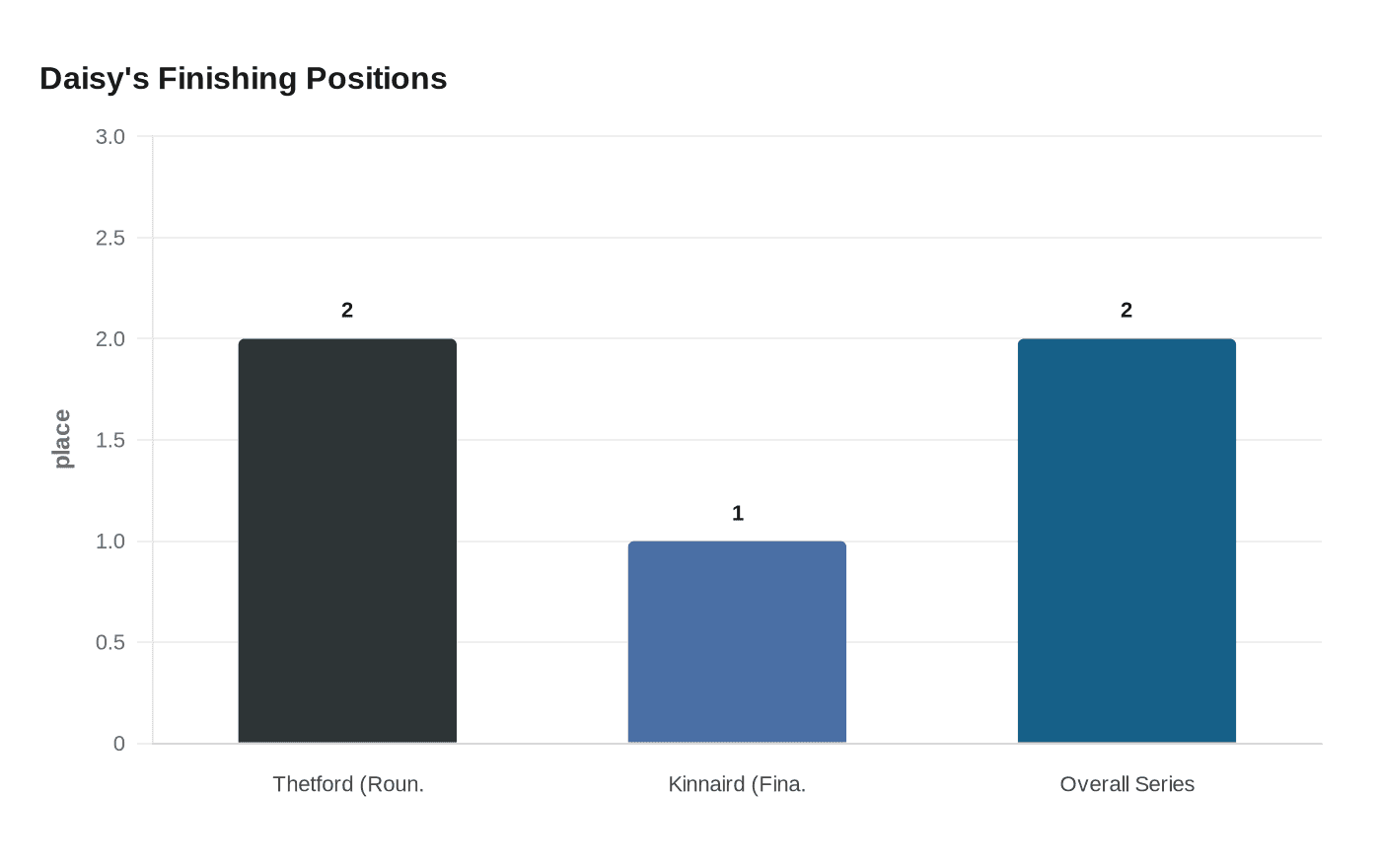
Wiz, a home-bred German Shorthaired Pointer from Aylburton, gave thirteen-year-old Daisy O'Donnell the kind of front-end pull that makes canicross matter, and the pair just proved it against a national field. Daisy secured silver in the Girls Youth (12-15) category at the British Sled Dog Sports Federation (BSSF) National Championships, finishing the six-round winter series second overall after a campaign built on consistency across varied terrain and conditions.
The season opened in November at Thetford Forest in Norfolk, where Daisy placed second in the youth division on her opening start. That result was more than a promising debut: it set the points foundation for everything that followed. The BSSF's qualification structure requires competitors to complete at least four of the six championship rounds to earn a national ranking, a format that tests not just speed but a team's capacity to travel, stay race-fit, and perform reliably on unfamiliar ground each month.
Daisy and Wiz met that test. They held their position through the winter before making the long journey north to Kinnaird Castle in Scotland for the final round of the series. There, Daisy won the youth division outright, sealing her overall silver and confirming that the Thetford opening had pointed the way from the start.
The weight of that result is sharpened by the context. A 13-year-old school-age athlete, paired with a dog bred at home rather than sourced from a specialist racing kennel, navigating the qualification demands of at least four national-level starts across multiple venues from Norfolk to Scotland: the combination makes the podium finish notable in a way that a single-race win would not.
German Shorthaired Pointers require up to 90-120 minutes of vigorous exercise daily, and the breed's combination of drive, scent instinct, and cross-country endurance makes it one of the more naturally suited non-sled breeds to competitive canicross. The progressive race-conditioning Daisy applied to Wiz across the BSSF series demonstrates what becomes available when that energy is channelled through structured competition. Home-bred partnerships also carry an advantage that specialist athletic bloodlines don't automatically override: a dog and handler who have trained together from early on tend to read each other through the sharp terrain changes and woodland turns that these courses demand.
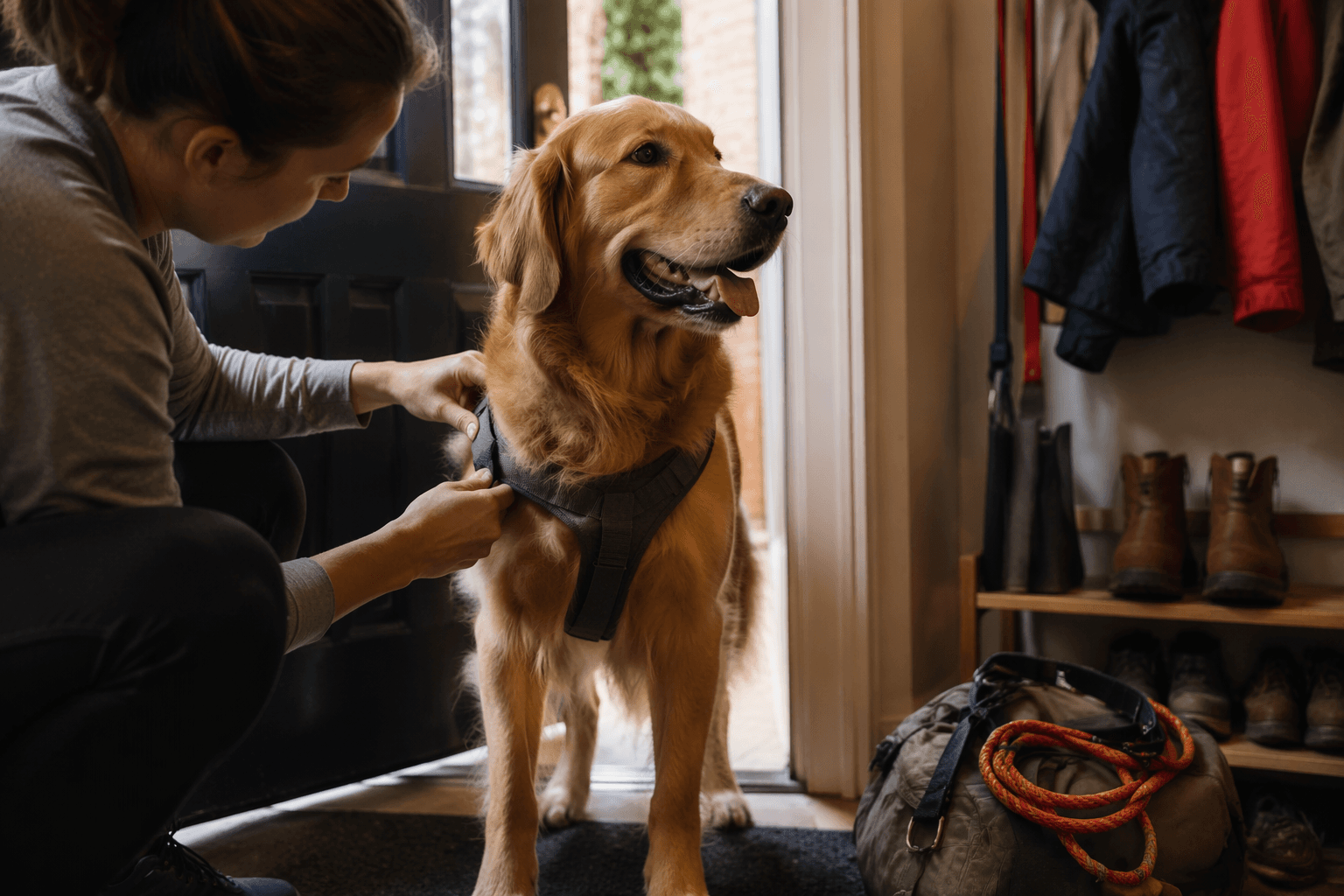
Canicross attaches runner and dog via a waist belt, bungee line, and fitted harness, with the dog running out front and providing forward momentum across off-trail courses. The sport grew out of summer conditioning runs for sled-dog teams and has expanded rapidly in the UK as a structured year-round outlet for high-drive dogs and their owners, with the BSSF calendar spanning woodland and estate venues from November through spring.
Wiz reached the national podium without a pedigree racing background. He had Daisy, a winter of racing from Norfolk to Scotland, and enough drive to win the final round outright.
This article was produced by Prism’s automated news system from verified source data, official records, and press releases, then run through automated quality and moderation checks before publishing. The system is built and supervised by the people who set the standards it runs under. Read our full AI policy.
Did this article answer your question?