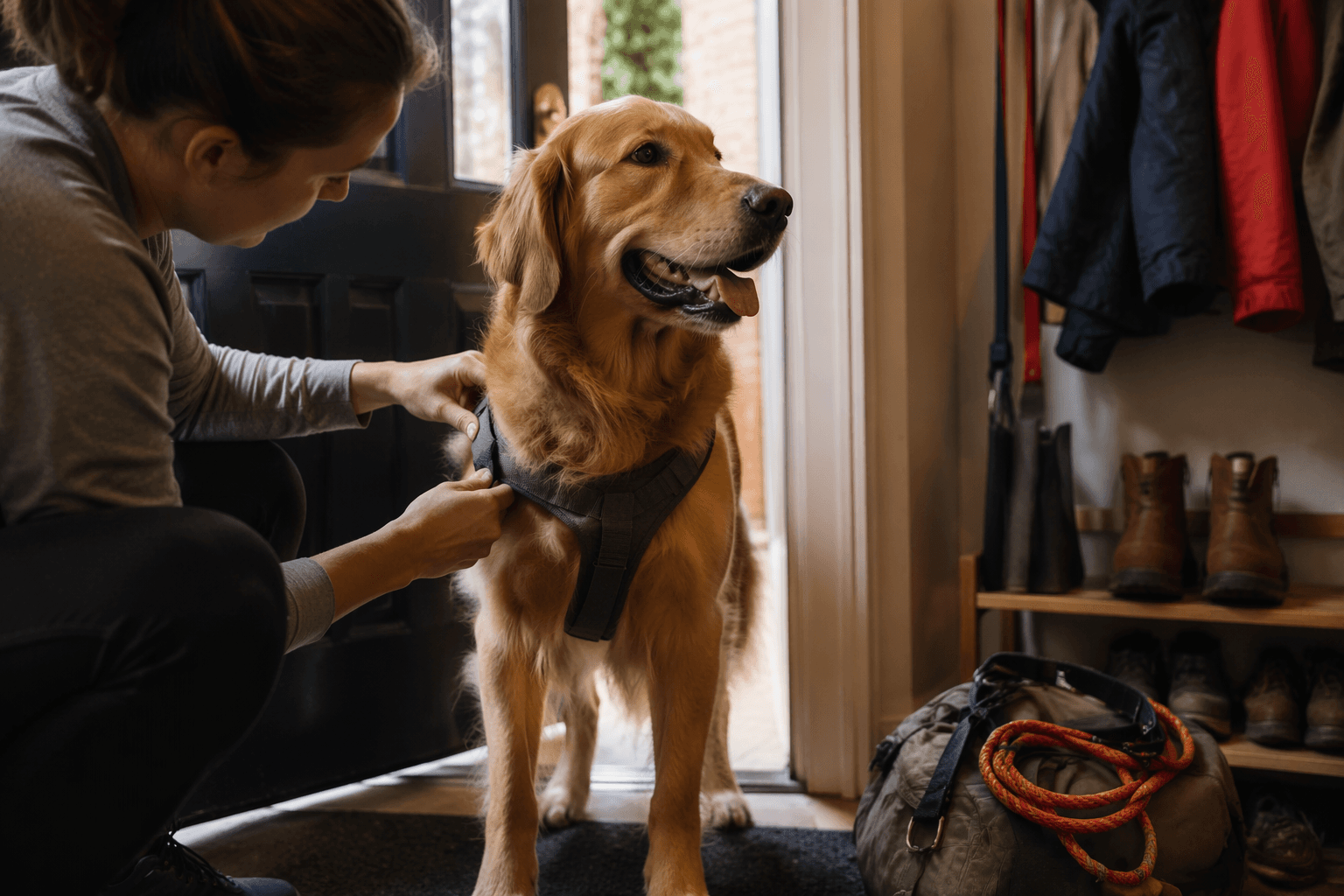
Canadian Kennel Club guide helps high-energy puppies thrive at home
The first week home can make or break a high-energy puppy’s habits, and CKC’s guide says routine, short training, and support turn chaos into control.
The first week decides a lot
The moment a high-energy puppy walks through the door, the clock starts on sleep, potty timing, and the habits that will shape the rest of life at home. The Canadian Kennel Club’s puppy guide treats that first stretch as a learning curve for both sides, and that realism matters when the dog is bouncing off the walls, nipping at sleeves, and struggling to settle. The goal is not perfection. It is control, consistency, and a home setup that keeps excitement from turning into chaos.
Day one: lock in the basics
The fastest way to create trouble is to let the puppy improvise the schedule. The CKC’s advice points straight to routine because regular feeding times, scheduled potty breaks, and predictable sleep patterns help a puppy feel secure and understand what happens each day. For a lively pup, that predictability is not boring, it is stabilizing.
Start with a simple home plan before the dog arrives. Pick the potty spot, set feeding times, decide where the puppy will sleep, and keep access limited at first. Too much freedom on day one often leads to missed bathroom trips, zoomies at bedtime, and a puppy that learns the house is one giant place to rehearse bad habits.
A solid first-day checklist looks like this:
- Feed at the same time each day
- Take the puppy out on a schedule, not just when an accident happens
- Keep sleep periods protected and quiet
- Use one or two calm spaces instead of giving the puppy the whole house
- Reward the behaviors you want right away, especially settling, going potty outside, and checking in with you
That structure is especially useful for hyperenergetic puppies because it channels drive instead of fighting it. The CKC frames structure as support, not punishment, and that distinction matters when the dog is already full of speed and opinions.
The mistakes that cause the most chaos
Owners often overload the first few days with too much freedom, too much stimulation, and too much expectation. A puppy who is overwhelmed is more likely to bite, bark, forget potty timing, and turn every interaction into a wrestling match. The CKC notes that some dogs move quickly while others need more time, patience, or support, especially if they are more sensitive or reactive.
That is where the biggest beginner mistakes usually show up. Long training sessions backfire because young puppies cannot hold focus for very long. Inconsistent potty breaks turn house-training into guesswork. And letting every family member use a different rule creates confusion fast, especially for dogs with serious motor and prey drive.
When the puppy starts spiraling, the fix is usually smaller, not bigger. Shorten the session. Lower the volume in the house. Reset the schedule. High-energy puppies do best when the environment tells them what to do before they invent their own entertainment.
Short training wins the first week
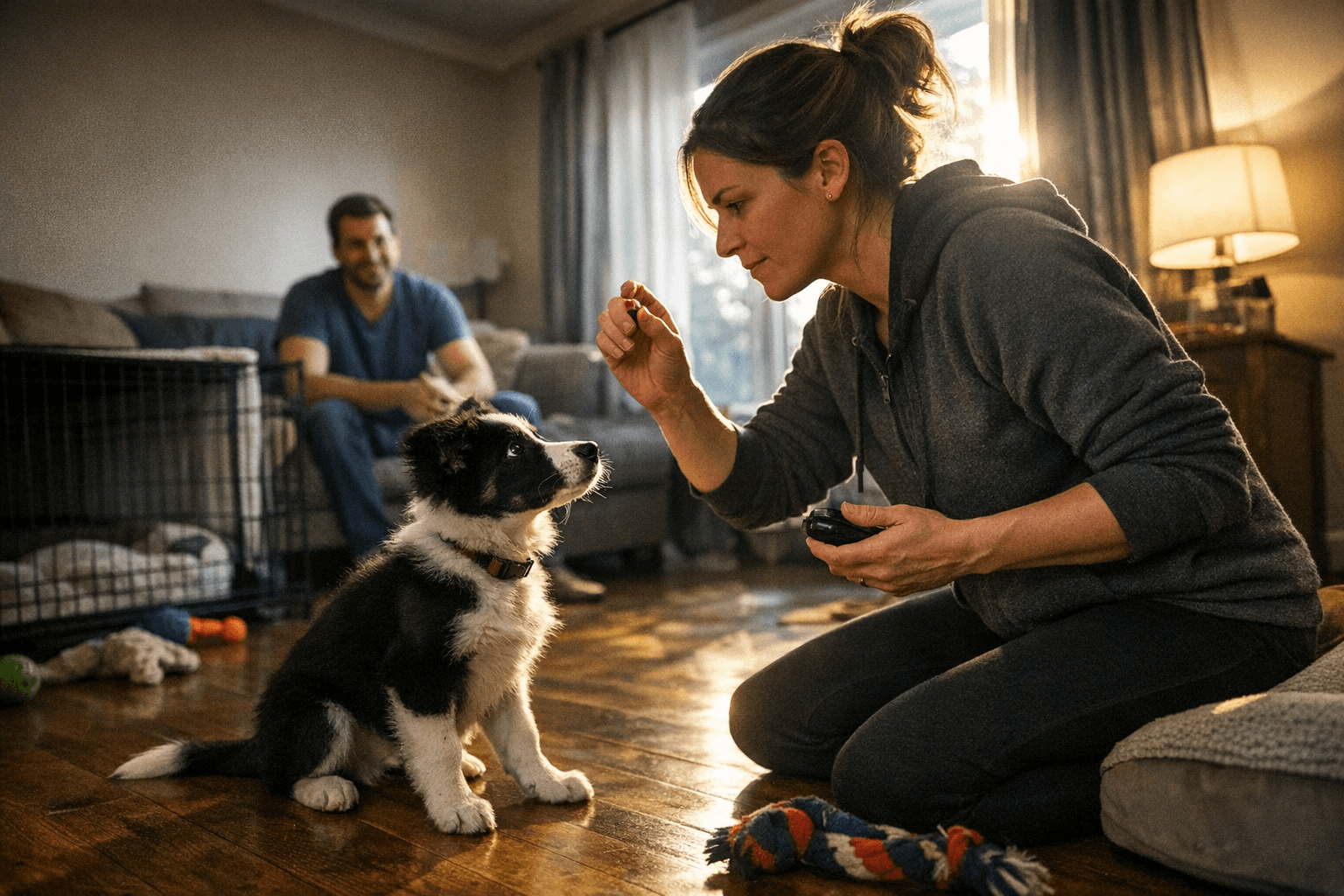
The CKC’s guide says training works best when sessions are short, positive, and consistent. That is the right formula for a young dog that is still figuring out what earns attention and what gets redirected. Reward the behavior you want, gently interrupt the behavior you do not want, and keep the tone steady.
The Association of Professional Dog Trainers backs that same idea, emphasizing positive reinforcement and ongoing training as the backbone of a better relationship between dogs and their people. For a puppy with a lot of fire in the tank, that means every calm sit, every quiet pause, and every successful redirect is building a pattern. You are not waiting for manners to appear later. You are creating them now.
Keep the early drills practical:
- Name recognition and check-ins
- Potty outside on cue
- Settling on a mat or bed for a few seconds at a time
- Gentle redirection when biting starts
- Rewarding calmness before the puppy escalates
The point is not to exhaust the dog. The point is to teach the puppy that paying attention, settling, and moving through the day with a little self-control all pay off.
Socialization starts before the puppy feels grown
If the first week is about home habits, the first few weeks are also about the wider world. The American Veterinary Medical Association says the best time to start puppy socialization is between 3 and 14 weeks of age, which is a narrow but important window. During that period, puppies are especially open to learning about people, places, activities, and other animals.
The American Kennel Club says those first few weeks at home are the time to start establishing good behaviors and routine, and that lines up with what the AVMA is flagging. This is not about flooding a young puppy with new experiences. It is about controlled exposure that teaches confidence instead of fear.
A high-energy puppy does not need a packed social calendar. It needs well-managed introductions, steady handling, and enough structure to stay under threshold. That is how you prevent the overexcited puppy from becoming the puppy that cannot settle anywhere.
You do not have to build this alone
One of the smartest parts of the CKC’s guidance is its reminder that support matters. Breeders, veterinarians, and local training communities can all help when the first week feels bigger than expected. CKC member breeders can remain helpful resources as a puppy grows, which is useful when questions shift from “How do I survive tonight?” to “How do I keep this going next month?”
That support matters even more with sensitive or reactive puppies. Some dogs do not bounce into new routines the same way bold, easygoing puppies do. They may need more time, more repetition, and more patience before they can handle the pace of normal household life. For those dogs, the right advice early on can prevent small frictions from becoming long-term problems.
The CKC also points to a longer-term goal for owners who want a clear benchmark of everyday manners: the Canine Good Neighbour program. The program identifies and rewards responsible and caring owners and their canine partners, and any dog over 12 months of age may be tested. For a puppy owner, that gives the first week a real horizon. The early routines you build now are not just about surviving the chewing, the whining, and the midnight potty trips. They are laying the groundwork for a dog that can eventually be tested on responsible daily behavior.
What success looks like after seven days
By the end of the first week, the win is not a flawless puppy. The win is a dog that is beginning to understand the rhythm of the house. Feeding happens when expected. Potty breaks are getting more predictable. Sleep is less random. Training feels like a series of short, useful reps instead of a battle of wills.
That is the heart of the Canadian Kennel Club’s message: responsible dog ownership is built through small, steady habits in the home. For high-energy puppies, those habits are not a nice extra. They are the difference between a household that is constantly reacting and one that is finally teaching the puppy how to succeed.
This article was produced by Prism’s automated news system from verified source data, official records, and press releases, then run through automated quality and moderation checks before publishing. The system is built and supervised by the people who set the standards it runs under. Read our full AI policy.
Did this article answer your question?