Dog News challenges AKC's two-shows-in-one-day model for exhibitors
Dog News says the real cost of two shows in one day falls on exhibitors, judges, and dogs who need recovery time. The money-saving model may be efficient, but the ring feels the strain.
Why the one-day double bill is drawing fire
Dog News takes aim at a simple but punishing idea: pack two shows into one day and call it efficiency. The editorial argues that what looks tidy on paper can create a mess for the people and dogs actually living through it, especially when high-energy dogs are expected to switch on, switch off, and then do it again under the same roof.
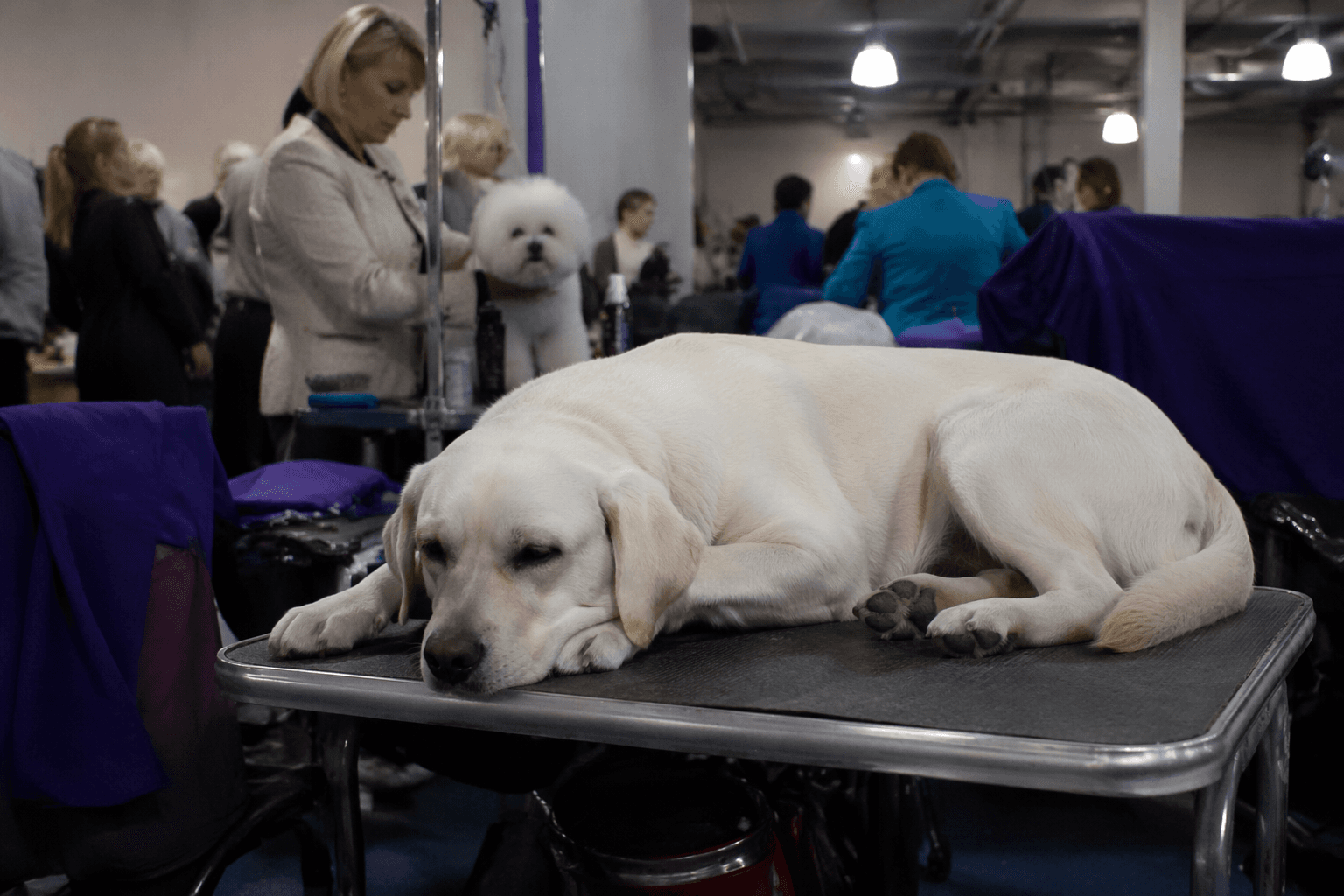
For exhibitors, the concern is not just fatigue. It is the cumulative pressure of a schedule that can turn a show day into a marathon of waiting, crating, warming up, and rushing back to the ring. For dogs that thrive on structure and benefit from calm recovery between performances, that kind of compression can mean overstimulation, sloppy handling, and a performance that never quite settles into rhythm.
What organizers gain from the squeeze
The appeal of the model is easy to see. Separate recording numbers, separate listing fees, and two events that can be folded into one site and one day give AKC, the superintendent, and the show-giving club a cleaner financial picture. That is exactly why the editorial treats the arrangement as a business decision as much as a scheduling one.
AKC’s own scheduling guidance adds important context here. Its best-practices material says conformation schedules depend on careful judge assignment and that, when handled properly, the process can save a club time and money. That makes the criticism sharper, not weaker: the same efficiency that helps an event run lean can also push the workload outward onto exhibitors, judges, and dogs who still have to deliver in the ring.
Why the practical fallout lands on handlers and dogs
The editorial’s strongest point is not about paperwork. It is about wear and tear. When two shows are stacked into one day, the clock does not just move faster for the club. It also compresses the downtime that keeps dogs fresh, attentive, and mentally balanced, which matters most for energetic dogs that need a clear routine to perform well.
That is why the editorial says judges should be hired separately for each event and that the judging contracts should be rewritten to match that reality. As the piece puts it, “The same should be true for the two-in-one day events. Judges should be hired for each event and judging contracts would be rewritten...” The point is blunt: if the sport insists on treating the events as separate on the books, it should stop asking the same ring staff and the same dogs to absorb the strain as if nothing changed.
The rulebook already treats them as separate events
AKC’s own forms and policies support that reading. Its report forms say each event, based on its event number, needs a separate report, including back-to-back shows and two-in-one-day shows. The AKC Board Policy Manual also includes a policy entry for “Multiple All-Breed or Limited-Breeds Shows in One Day,” tied to a January 2017 Board meeting and later amended in 2018 and 2019.
That matters because the policy trail shows the issue has never been a small quirk of local scheduling. It has sat inside the organization’s formal framework for years, even as AKC continues to manage conformation through current point schedules and event resources. The 2026 point schedule, which became effective May 12, underscores how tightly the championship system is managed and how quickly the practical stakes can shift around entries and majors.
A sport under pressure from cost and time
The editorial also folds this debate into a wider warning about the health of conformation itself. AKC says conformation events can range from huge all-breed shows with more than 3,000 dogs entered to small specialty events focused on one breed. That spread is part of the problem, because the sport is trying to serve both large-scale logistics and breed-specific competition while exhibitors face rising costs and longer weeks.
A 2023 analysis cited in the discussion found a 28% drop in conformation entries over 20 years, along with a 39% decline in entries per capita during a period when the U.S. population grew 18%. In that light, the editorial’s complaint is not just that a two-show day is exhausting. It is that the sport may be answering a participation problem with a scheduling trick, then calling the result sustainable.

The pilot that started the argument
This tension has been building for years. The Dog Show Superintendent Association proposed the two-shows-in-one-day idea in 2013, arguing that clubs could reduce expenses while exhibitors gained more showing opportunities. AKC approved a pilot program at its December 2013 Board meeting, with limits that included a 500-dog cap per show and no concurrent specialties.
The first reported all-breed two-in-one-day events under that pilot included Riverhead Kennel Club and Brookhaven Kennel Club in Yaphank, New York. Contemporary coverage treated the rollout as a split-screen moment: some exhibitors welcomed the chance to show twice in one day, while others warned that the setup could mean a very long day for dogs, judges, and handlers. That broader debate also surfaced in coverage by Canine Chronicle and Showsight Magazine, with Wayne Cavanaugh, Gerry G. Meisels, and Cheslie Pickett part of the wider conversation around what the pilot might change.
What this means for exhibitors who live in the schedule
For exhibitors, the practical lesson is plain. A one-day double bill may look efficient when you are reading the premium list, but it can create a very different day once the crates are stacked, the gaiting starts, and the second ring call arrives before the first effort has fully come down. The pressure is not theoretical for dogs that need recovery time, or for handlers who need a steady rhythm to bring out a clean performance.
That is the core of Dog News’s challenge to the model. The paperwork can separate the events, the fees can separate the events, and the policy language can separate the events. The real question is whether the dogs and exhibitors can be expected to separate themselves just as neatly when two shows share the same day, the same roof, and the same long stretch of fatigue in between.
This article was produced by Prism’s automated news system from verified source data, official records, and press releases, then run through automated quality and moderation checks before publishing. The system is built and supervised by the people who set the standards it runs under. Read our full AI policy.
Know something we missed? Have a correction or additional information?
Submit a Tip