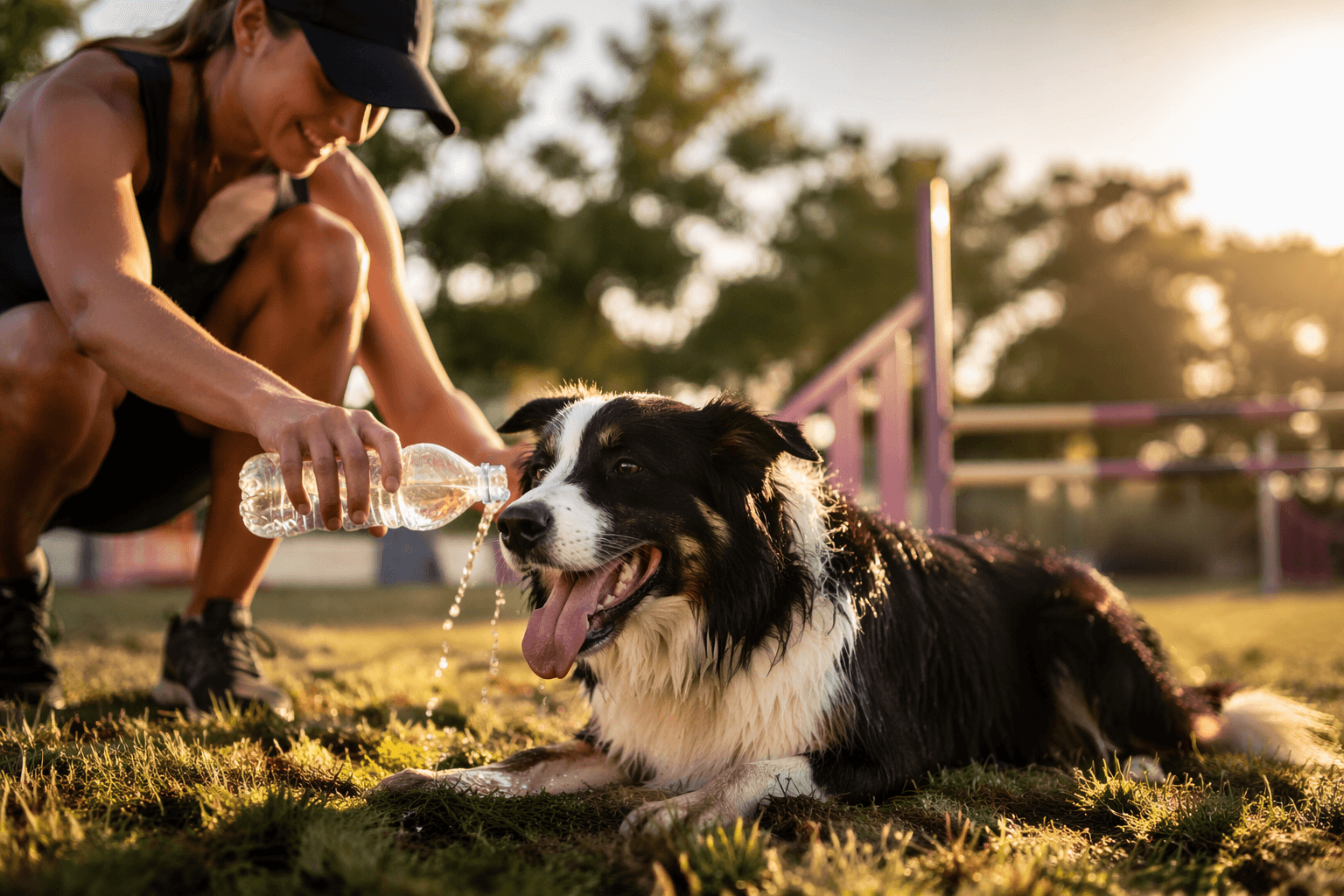
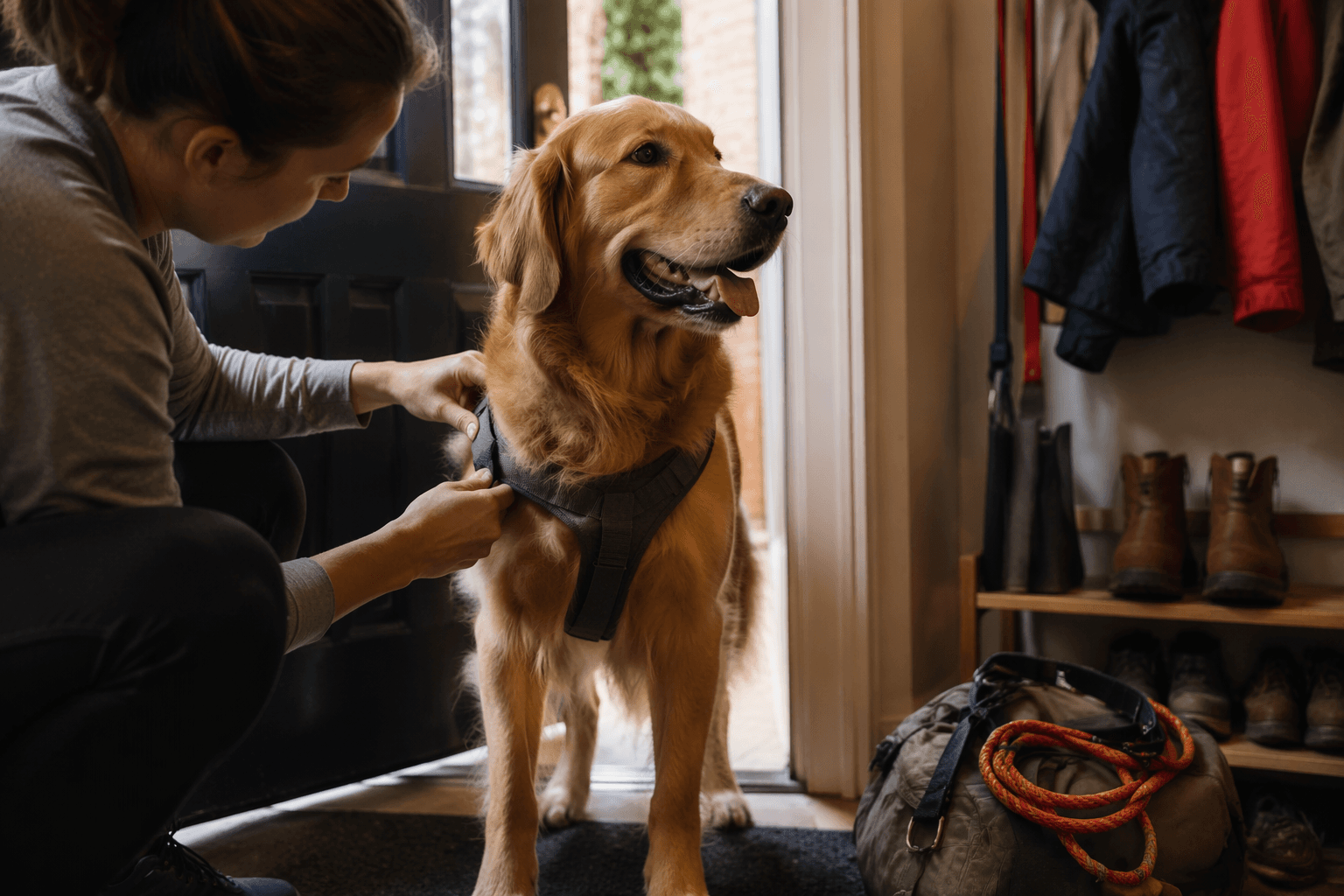
Dry land mushing gives high-energy dogs year-round exercise, fun
A Dog Lodge demo showed how bikes, harnesses and teamwork can turn a restless dog into a focused athlete, with safety and fatigue limits built in.

What dry land mushing looks like
A dog lunging into harness and driving a bike over dirt may look like pure spectacle, but that’s exactly why dry land mushing works so well for high-drive dogs. In the NBC4 WCMH-TV segment, Monica Day visited Joel Slaven’s Dog Lodge and watched a warm-weather version of sled-dog racing where dogs pull bicycles instead of sleds, turning raw pull into a controlled job.
That shift matters because it gives a dog more than a lap around the block. It gives structure, teamwork, and a clear outlet for energy that can otherwise spill into leash pulling, restlessness, or boredom at home. The sport keeps the body working and the brain engaged, which is why it resonates with owners who need more than ordinary neighborhood walks to settle a dog that runs hot.
Why this is more than a husky sport
Huskies may be the breed most people picture first, but Joel Slaven made the bigger point plainly: dry land mushing is not limited to huskies. He said any high-energy dog can take part through organizations like the Trail Breakers Mushing Club, which opens the door to dogs that were built to work, run, or pull even if they are not the classic sled-dog stereotype.
That broader idea is what makes the sport useful beyond winter. Devon, an attorney who trains and races 11 huskies as a hobby, showed how a serious training life can still feel like play when the dog has a real task in front of it. For active-dog households, that difference is huge. A dog with a job is often easier to live with than a dog that has been asked to simply burn off energy without purpose.
A year-round outlet with a real competitive scene
Dry land mushing is not an offhand backyard trend. It sits inside a larger sled-dog sport ecosystem that includes wheeled rigs, bikes, and scooters on non-snow terrain, and the International Sled Dog Racing Association says it expanded beyond traditional sled racing into skijoring and dryland events. The group says it sanctions more than 50 events each year, which tells you this is a structured sport with an established calendar, not a one-off warm-weather gimmick.
The global reach is just as real. The first International Dryland Mushing World Championship was held in 2002 in Italy, and the 2025 world championship in the United States drew more than 350 competitors from 23 countries to northern Wisconsin. That kind of turnout shows a wide competitive culture behind the local demonstration Day saw in Columbus, Ohio. The NBC4 segment may have been a neighborhood-friendly introduction, but the sport behind it is international and deeply organized.
The gear and rules that keep it safe
The equipment changes with the surface, and that is the first thing to respect. On dirt and other dry terrain, mushers use wheeled setups instead of sleds, including bicycles, scooters, sulkies, and rigs. That flexibility is part of the appeal, but it also comes with rules because speed and traction are real variables when dogs are towing a human.
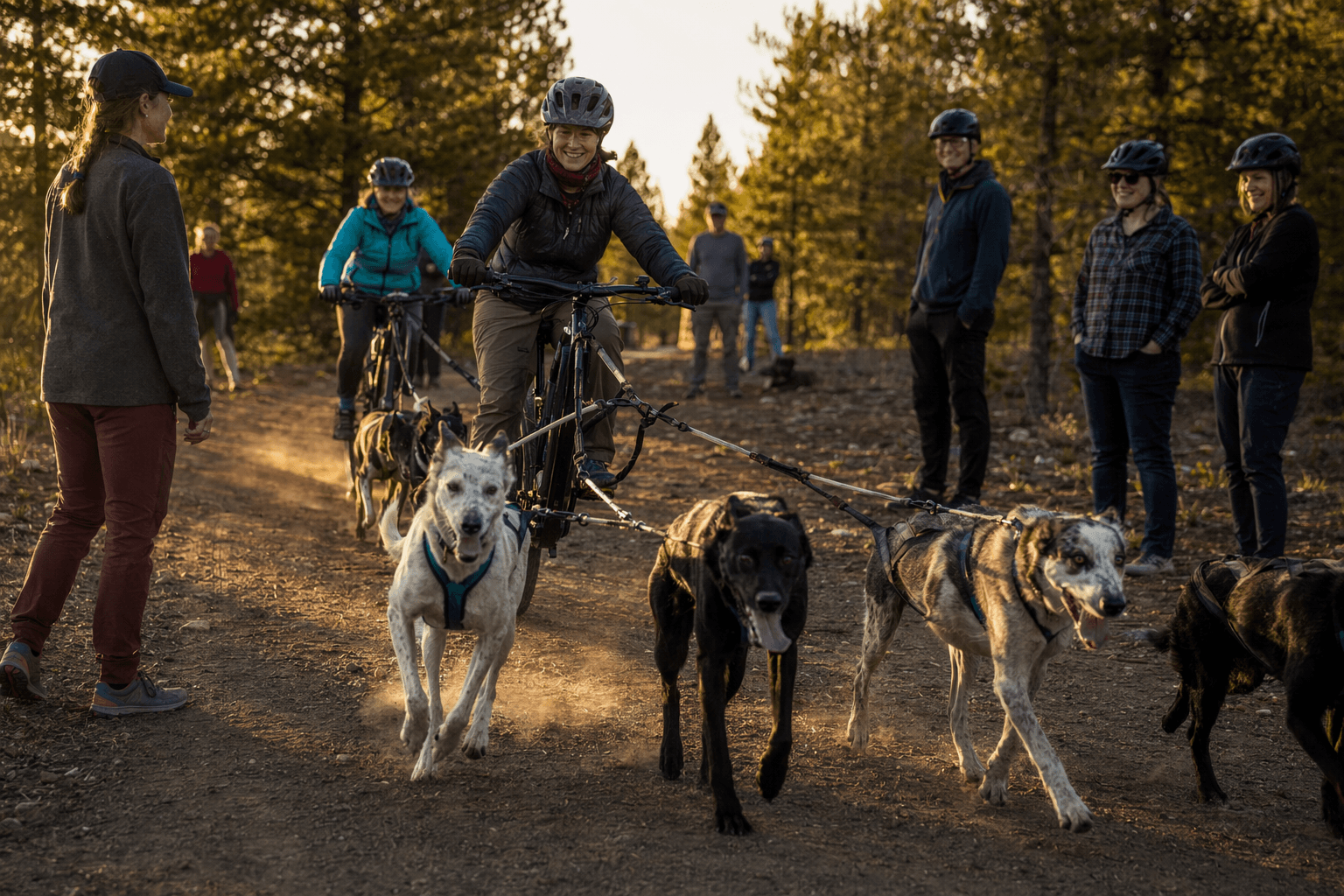
The International Sled Dog Racing Association requires helmets for all wheeled classes, including rig, bicycle, scooter, and sulkie. That requirement matters whether you are watching from the sidelines or thinking about trying the sport yourself, because the human side of the team needs protection just as much as the dog does. If the setup is moving fast enough to demand a helmet, it is moving fast enough to demand attention.
The dog’s workload needs the same seriousness. ISDRA’s animal-welfare policy says continuing to race a dog that is too fatigued is a violation, which draws a hard line between healthy effort and harmful overexertion. That is the kind of rule that keeps the sport sustainable: challenge the dog, but stop before effort turns into strain.
How to build conditioning without crossing the line
Dry land mushing works best when the dog is prepared for it, not thrown into it. High-energy dogs need regular conditioning, and the sport’s structure gives them that in a way ordinary free play often cannot. Build the routine around steady work, clear cues, and gradual effort, so the dog learns that pulling is a skill, not a burst of chaos.
The practical test is simple: the dog should finish wanting to work, not looking spent. A dog that fades hard, loses form, or appears mentally checked out is telling you the session went too far. That is where the line sits in this sport, and the welfare rules back that up by making over-fatiguing a dog a violation.
Why breed clubs and related sports matter
Breed-specific and cross-sport programs help show how broad dog-powered work has become. The Siberian Husky Club of America says its Dryland Performance Dog Degree program was updated for the 2025-2026 season, and the program is meant to recognize Siberian Huskies’ abilities in dog-powered sports even when no sled and snow are involved. That matters because it reinforces the idea that winter is a condition, not a requirement.
Canicross USA adds another piece of the puzzle. It says canicross began in Europe as off-season training for sled dogs and later evolved into a standalone sport. Other canine-sport groups describe bikejoring, cani-bike, and cani-scoot as related off-road activities, which shows how many ways there are to channel drive into organized movement. Dry land mushing fits into that bigger movement toward year-round work for dogs that are happiest when they are doing something.
For owners of working and northern breeds, that is the real takeaway. Dry land mushing offers exercise, focus, and teamwork when snow is gone, and it gives a restless dog a job that can make daily life calmer at home. The sport is playful on the surface, but underneath it is disciplined, regulated, and built for dogs that need more than exercise. It gives energy a direction, and that is often the difference between a dog that merely burns off steam and one that is truly fulfilled.
This article was produced by Prism’s automated news system from verified source data, official records, and press releases, then run through automated quality and moderation checks before publishing. The system is built and supervised by the people who set the standards it runs under. Read our full AI policy.
Did this article answer your question?