Florida teen rises as standout junior handler in fierce dog-show scene
A 15-year-old from St. Petersburg is climbing fast in Junior Showmanship, showing how owner-handling, 4-H, and ring discipline build real dog-sport talent.
Why Gemma Eldridge is breaking through
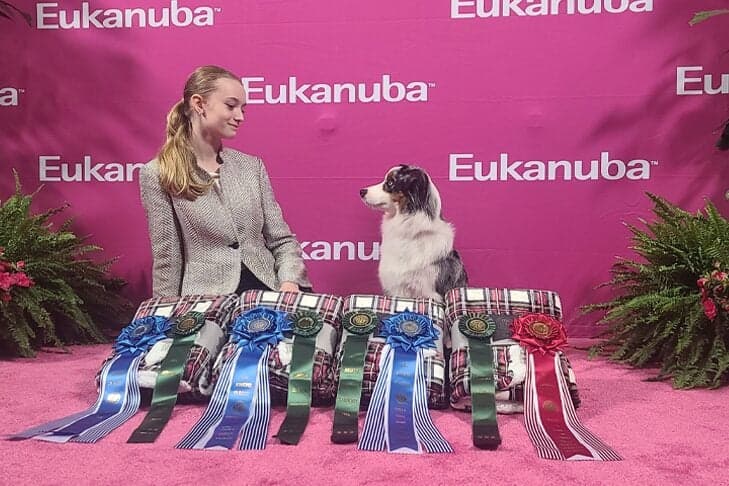
In one of the country’s fiercest junior-handling lanes, Gemma Eldridge is standing out by doing the hardest thing well: making polished dog work look calm. The 15-year-old from St. Petersburg, Florida, has become a rising name in Junior Showmanship because she brings a soft, understated ring style to dogs that still need structure, speed, and confidence to shine.
That matters far beyond one teen’s résumé. In the hyperenergetic dog world, success often starts with a dog that can move, focus, and trust its handler under pressure. Eldridge’s rise shows how a family can turn a lively pet into a competitive partner through classes, mentoring, and repetition, then keep that momentum building across conformation, performance, and owner-handling.
A first-generation fancier learning the sport the long way
Eldridge is a first-generation fancier, which makes her path especially notable in a sport where family tradition often opens the first door. Her family did not grow up immersed in dog shows. Instead, they learned the ropes through experience, classes, and persistence, and that outside-in approach has made her progress feel earned at every step.
Her entry into the dog world began with Shadow, the family’s first Miniature American Shepherd. From there, she found a deeper route through the Dog Training Club of St. Petersburg and a local 4-H club, two settings that gave her both the technical and practical foundation to move from a promising junior into a serious competitor.
The Dog Training Club of St. Petersburg has served Tampa Bay since 1955 and is volunteer-run, which gives its classes a community feel that still demands real discipline. Its offerings, obedience, agility, rally, flyball, nose work, tricks, conditioning, and conformation, map almost perfectly onto the skill set needed for a young handler working with a high-drive breed.
What Junior Showmanship really measures
Junior Showmanship is often misunderstood by casual spectators who only see a child or teen walking a dog around a ring. The American Kennel Club says the program is meant to teach youngsters how to care for and present dogs, and that judging is based on handling skill rather than the dog’s breed quality. Juniors typically range from ages 9 to under 18, which means the class is one of the most direct youth pathways in the sport.
That is why Eldridge’s success carries real weight. It is not just about the dog standing out. It is about her timing, ring awareness, posture, lead control, and the ability to keep a dog moving with confidence while the judge evaluates the overall presentation. In a competitive region, those details separate a polished junior from a merely enthusiastic one.
The broader owner-handling world makes that skill even more relevant. The AKC says more than 80% of show dogs are handled by their owners, so what juniors learn in the ring does not stay in the youth classes. It becomes the foundation for how dogs are shown, managed, and presented throughout a long competitive life.
Why 4-H built the right base
Florida 4-H helped shape that foundation by teaching the kind of practical dog care that serious competitors need long before a ribbon ever enters the picture. The dog project materials emphasize breed identification, feeding, handling, record-keeping, grooming, fitting, health regulations, first aid, and simple treatments. That is the exact kind of knowledge that turns a good dog home into a real dog-sport home.
For a family raising a busy, athletic breed, that education matters as much as a stack of rosettes. A dog that can show, rally, do obedience, and keep a clean head in Fast CAT or agility needs more than talent. It needs consistent care, conditioning, and the kind of daily management 4-H was built to teach.
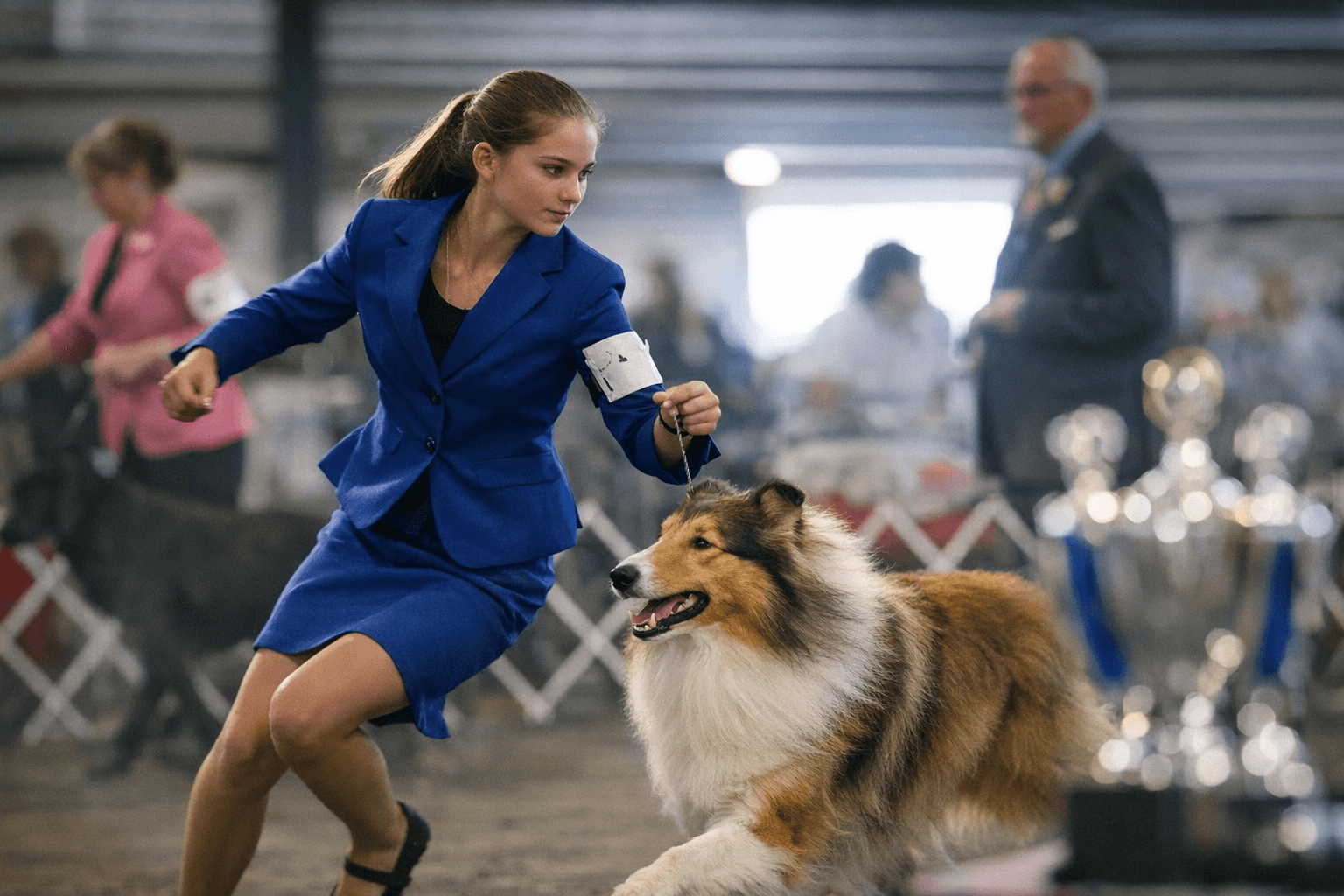
Eldridge’s path reflects that kind of all-in learning. She did not just enter a ring and hope the dog would carry her. She built a base that supports the whole pipeline, from nutrition and grooming to the ring itself.
The breed behind the rise
The Miniature American Shepherd fits Eldridge’s story perfectly. The AKC describes the breed as a compact, energetic, versatile herding dog with exceptional agility, strength, and stamina. That combination is exactly why it resonates with families who want a smart, work-ready dog that can do more than one thing well.
The breed is also still relatively young in AKC history. The Miniature American Shepherd Club of the USA became the official AKC parent club in May 2011, the same month the breed entered the AKC Foundation Stock Service. That recent timeline helps explain why today’s juniors and breeder-handlers are still shaping the breed’s modern public identity.
Eldridge has already turned that versatility into results. She has bred her first litter of Miniature American Shepherds and produced a group-placing Bronze Grand Champion. Her dogs have also earned titles in conformation, AKC Rally, obedience, agility, Fast CAT, and more, which shows the kind of all-around work that makes the breed such a natural fit for active homes and competitive families.
Results that back up the reputation
Eldridge’s name is showing up well beyond the local scene. She finished 2025 as Canine Chronicle’s top junior in Miniature American Shepherds, a strong marker of consistency across the year. At the 2025 MASCUSA National Specialty, she was listed as Reserve Best Junior, putting her among the breed’s strongest young handlers on a national specialty stage.
Her youth-show results point the same direction. The 2026 Florida State Fairgrounds youth dog show results list her first in the Phyllis White Awards Best in Show standings and as Senior High Point Junior. That kind of cross-circuit success says she is not riding one hot weekend. She is building a pattern.
She was also listed, at the time of the AKC feature, at No. 4 in the AKC National Owner-Handled Series with a dog of her breeding. That series runs after Best of Breed judging, and only dogs ranked in the top ten in their breed during the qualifying period can enter. The 2026 qualifying window runs from September 18, 2025 through September 15, 2026, and the rankings page had been updated through March 19, 2026.
Why her style matters to families with high-drive dogs
What makes Eldridge especially instructive is not just the win total. It is the way she wins. The AKC profile emphasizes her understated style, one that lets the dogs shine rather than overpowering them. For owners of energetic, high-drive dogs, that is a useful model: the best handlers are not always the loudest in the ring, they are the ones who create clarity, rhythm, and trust.
That approach is exactly what keeps young dogs progressing and veteran dogs competitive. It is also why Junior Showmanship remains such an important pipeline. It teaches ringcraft, but it also teaches patience, sportsmanship, and the discipline to bring out the best in a dog without forcing the issue.
Gemma Eldridge’s rise is a reminder that the future of purebred dogs is still being built in 4-H classrooms, volunteer-run training clubs, and junior rings where handling counts more than hype. In a sport that rewards precision, she is already showing the shape of the next generation.
This article was produced by Prism’s automated news system from verified source data, official records, and press releases, then run through automated quality and moderation checks before publishing. The system is built and supervised by the people who set the standards it runs under. Read our full AI policy.
Did this article answer your question?