Georgia enacts searchable animal-cruelty database, mixed session for dog owners
Georgia’s new cruelty database gives shelters a public screening tool by Jan. 1, 2027, while breeders and sport kennels face fresh scrutiny.
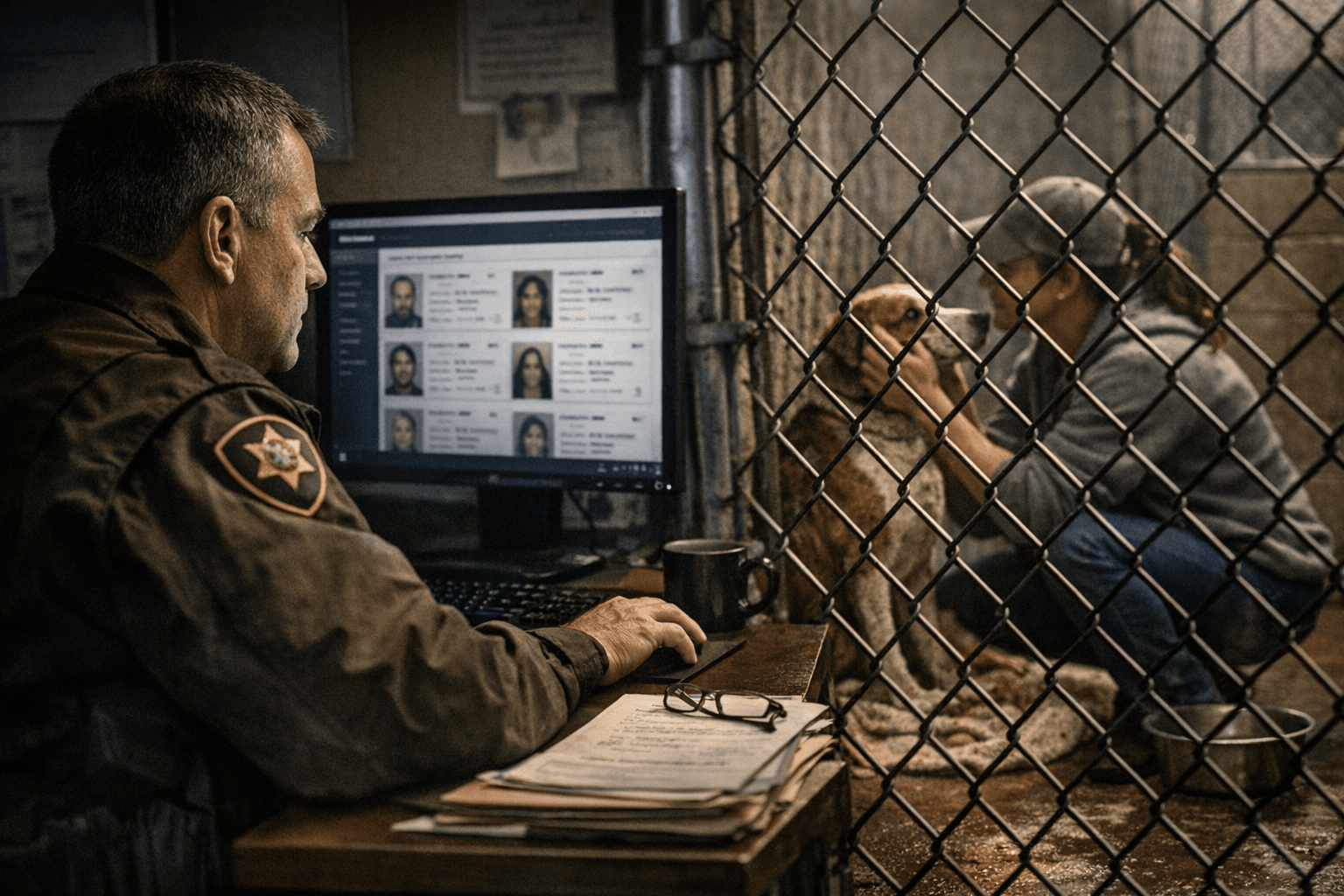
Georgia dog owners closed the 2026 session with one concrete change that reaches far beyond the cruelty courtroom: SB 587 will create a publicly searchable animal-cruelty database that shelters and rescues can use before a dog changes hands. The bill moved with unusual speed and near-unanimous support, passing the Senate 54-0 on March 6, clearing the House 163-0 on March 31, and finishing its final Senate step 48-0 that same day.
The new system is built around the Prosecuting Attorneys’ Council of the State of Georgia, which will create, administer, and maintain the database on its website, subject to appropriations, by Jan. 1, 2027. Court clerks must transmit conviction and sentencing information within 60 days. The bill’s stated purpose is to help animal shelters, animal protection and control agencies, and other placement organizations screen prospective owners and prevent animals from being placed in dangerous situations.
For Georgia’s high-drive dog world, the practical impact is less about a headline and more about what happens in the chain of custody. Breeders placing pups, handlers moving prospects into sport homes, and kennels that regularly work with multi-dog households or foster placements now have to account for a state system designed to surface cruelty convictions during screening. American Kennel Club Government Relations said it backed the goal of discouraging repeat cruelty, while warning that cruelty registries can create unintended consequences when they sweep too broadly or catch responsible owners and breeders in the net.
The session also showed why dog policy in Georgia keeps landing on the political fault line. The Georgia Canine Coalition, a volunteer-run group that says it represents more than 25,000 concerned Georgia citizens, voters, and dog lovers, was singled out for its work alongside American Kennel Club Government Relations. Georgia’s own enforcement structure helps explain the debate: the Georgia Department of Agriculture handles cruelty complaints involving licensed businesses that deal with livestock, poultry, equines, or companion animals, while other complaints are routed to local animal control or sheriff’s departments, with the burden of proof resting on the accuser.
The unresolved piece is SB 590, a separate breeder bill that drew enough concern to have a scheduled hearing canceled after pressure from American Kennel Club Government Relations and the Georgia Canine Coalition. That leaves Georgia with a new public cruelty database in place, but no final answer yet on how far the state will go before dog law starts colliding with lawful breeding, sport competition, and the working pipelines that keep athletic dogs moving into agility, field, protection, and conformation homes.
This article was produced by Prism’s automated news system from verified source data, official records, and press releases, then run through automated quality and moderation checks before publishing. The system is built and supervised by the people who set the standards it runs under. Read our full AI policy.
Did this article answer your question?