House passes bill to end greyhound racing nationwide, West Virginia tracks at risk
The House vote put West Virginia’s last two greyhound tracks on the clock, even as one study says racing money underwrites 95% to 97% of purses and part of Wheeling pensions.
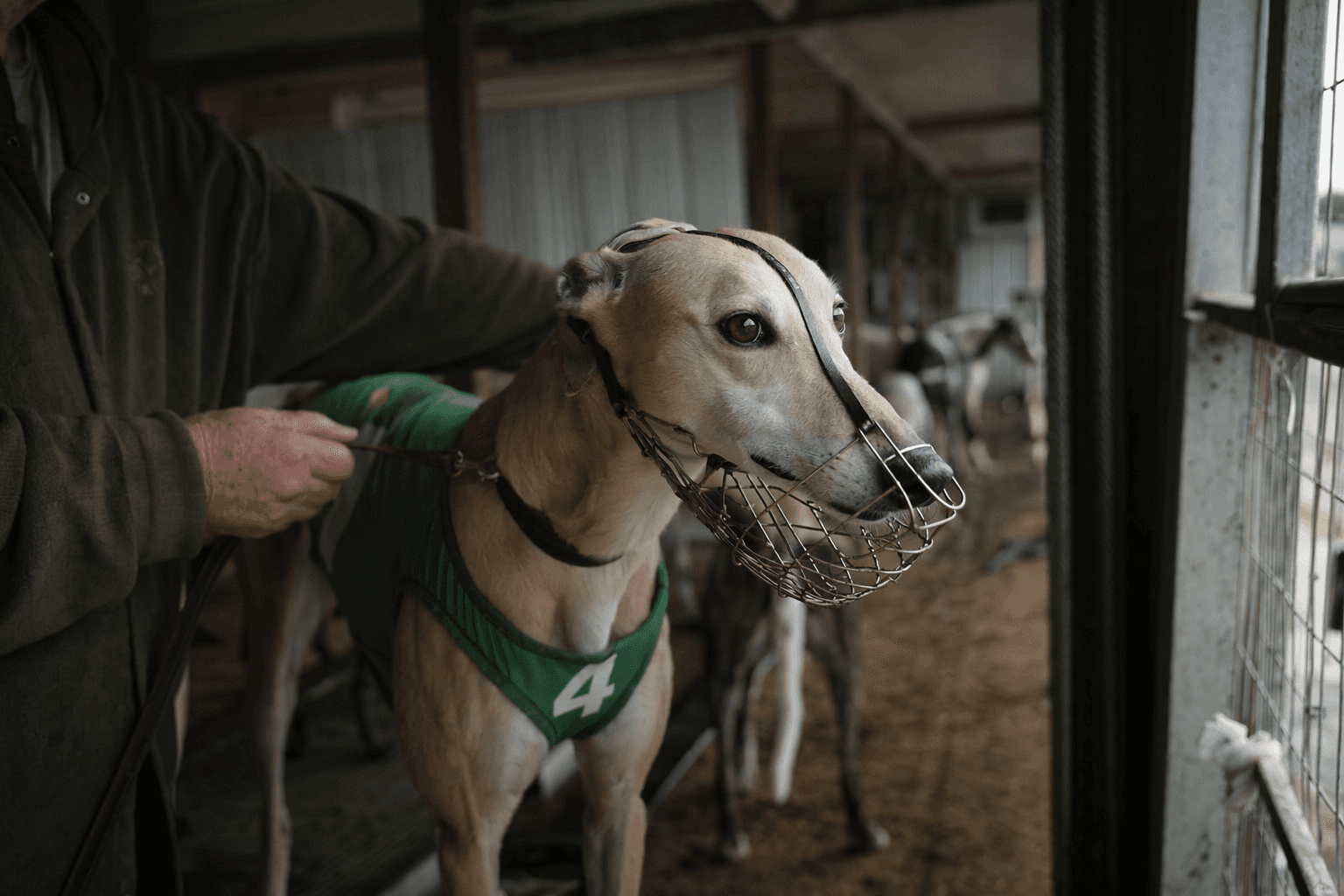
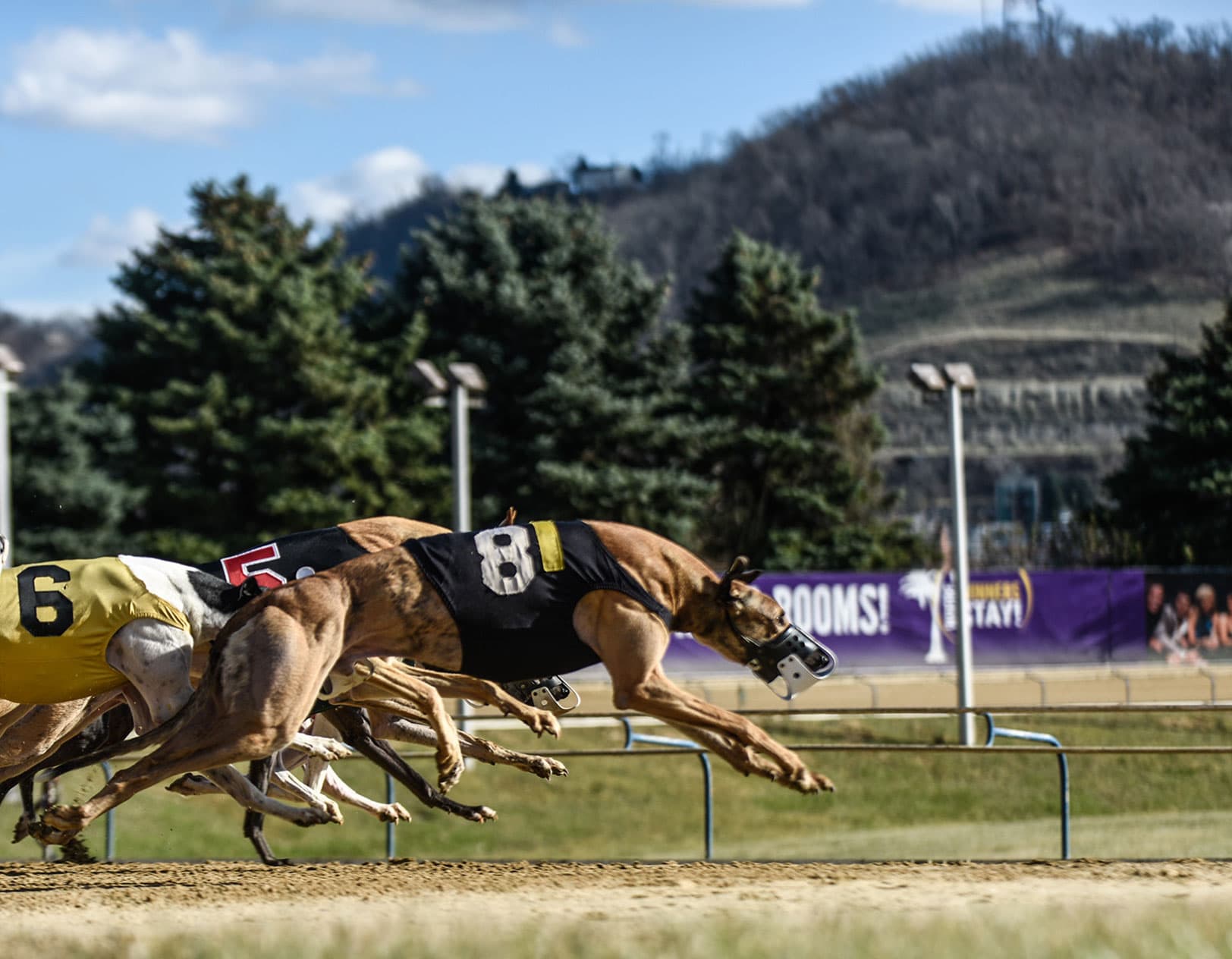
Greyhound racing took a direct hit in Washington, and West Virginia’s last two tracks are now in the crosshairs. The House passed the Farm, Food, and National Security Act of 2026, H.R. 7567, by a 224-200 vote on April 30, 2026, and the bill’s greyhound language would prohibit commercial racing nationwide, make simulcast betting on foreign greyhound races illegal, and restrict selling, transporting or exporting dogs for racing.
For West Virginia, the fight is no longer abstract. The state still has the nation’s final two active greyhound tracks, Wheeling Island Hotel Casino Racetrack and Mardi Gras Casino & Resort, and a carve-out amendment offered by Rep. Riley Moore failed 239-187. Moore backed the larger farm bill but tried to shield the West Virginia tracks, a sign of how sharply the issue splits lawmakers between statewide animal-welfare arguments and local economic concerns. The next decision falls to the Senate, where Sen. Shelley Moore Capito has already said she opposes the provision.
Supporters of the ban say the industry has shrunk from more than 60 racetracks a generation ago to just two in West Virginia, and they point to Florida’s 2018 constitutional amendment ending greyhound wagering with 69% of the vote as proof that the sport’s collapse has already begun. Christine A. Dorchak of GREY2K USA Worldwide and Wayne Pacelle of the Center for a Humane Economy have pressed the case for a federal shutdown, arguing that racing belongs in the past and that the animal-welfare concerns outweigh the sport’s remaining foothold.
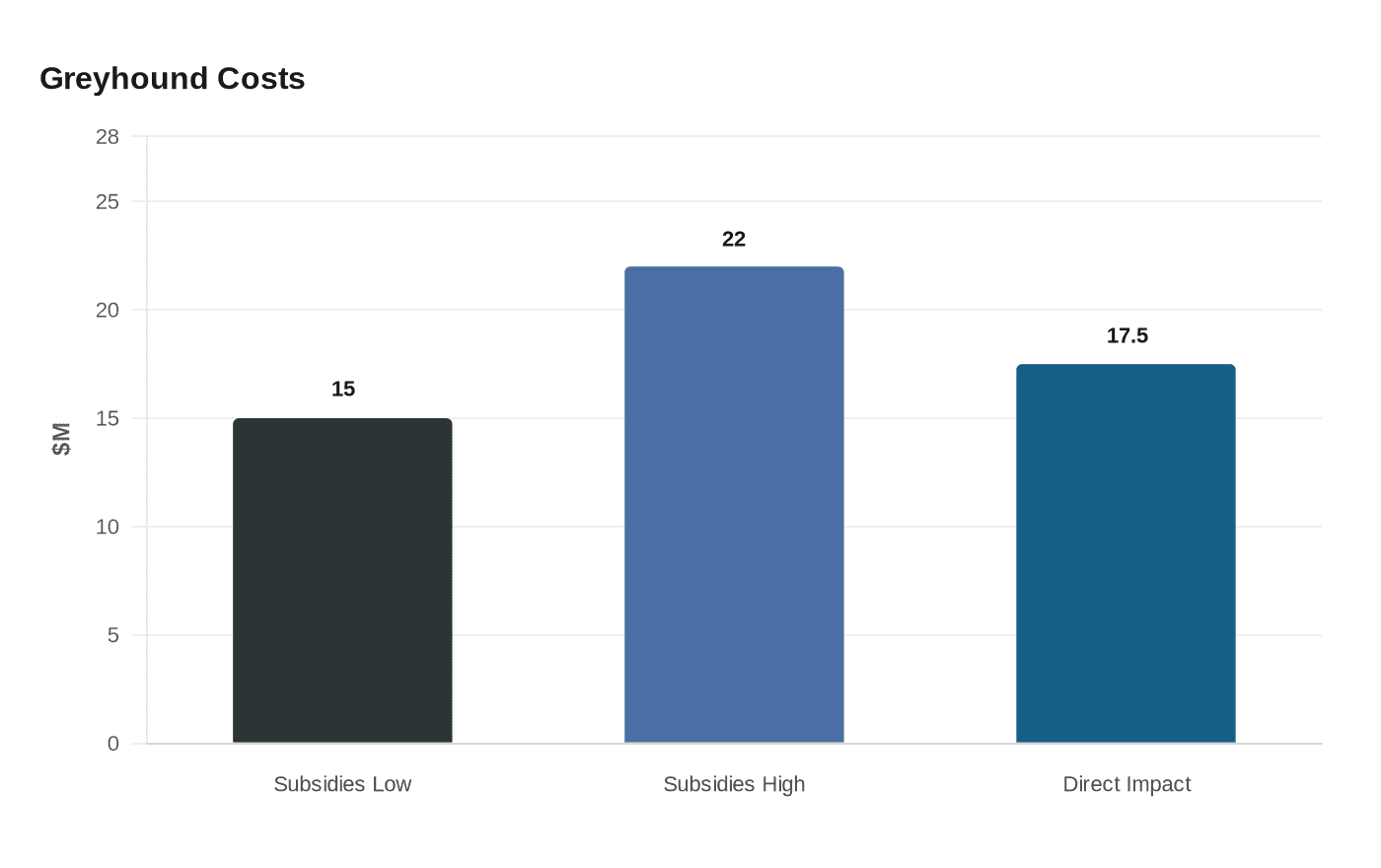
The economic stakes in West Virginia are unusually tangled. A February 23, 2026, Ball State University Center for Business and Economic Research study estimated that state subsidies for greyhound racing run about $15 million to $22 million a year, covering 95% to 97% of total purse payments. The same study put the sector’s direct economic impact at roughly $17.5 million and found only modest, temporary employment gains of about 0.38% in host counties. Separate reporting has said revenue from the tracks funds roughly 40% of pensions for law enforcement officers and other first responders in Wheeling, with about $255,000 a year flowing through a revenue-sharing agreement that supports more than 300 active, retired or disabled officers, first responders and surviving spouses.
The House version was also revised to remove language that the American Kennel Club and others said could have affected live-bait training methods used by hunters, showing how far the debate reached beyond the racing oval. With the Senate now holding the leash on H.R. 7567, the future of one of the country’s most recognizable high-drive dog sports rests on whether lawmakers choose a national ban or another delay.
Know something we missed? Have a correction or additional information?
Submit a Tip