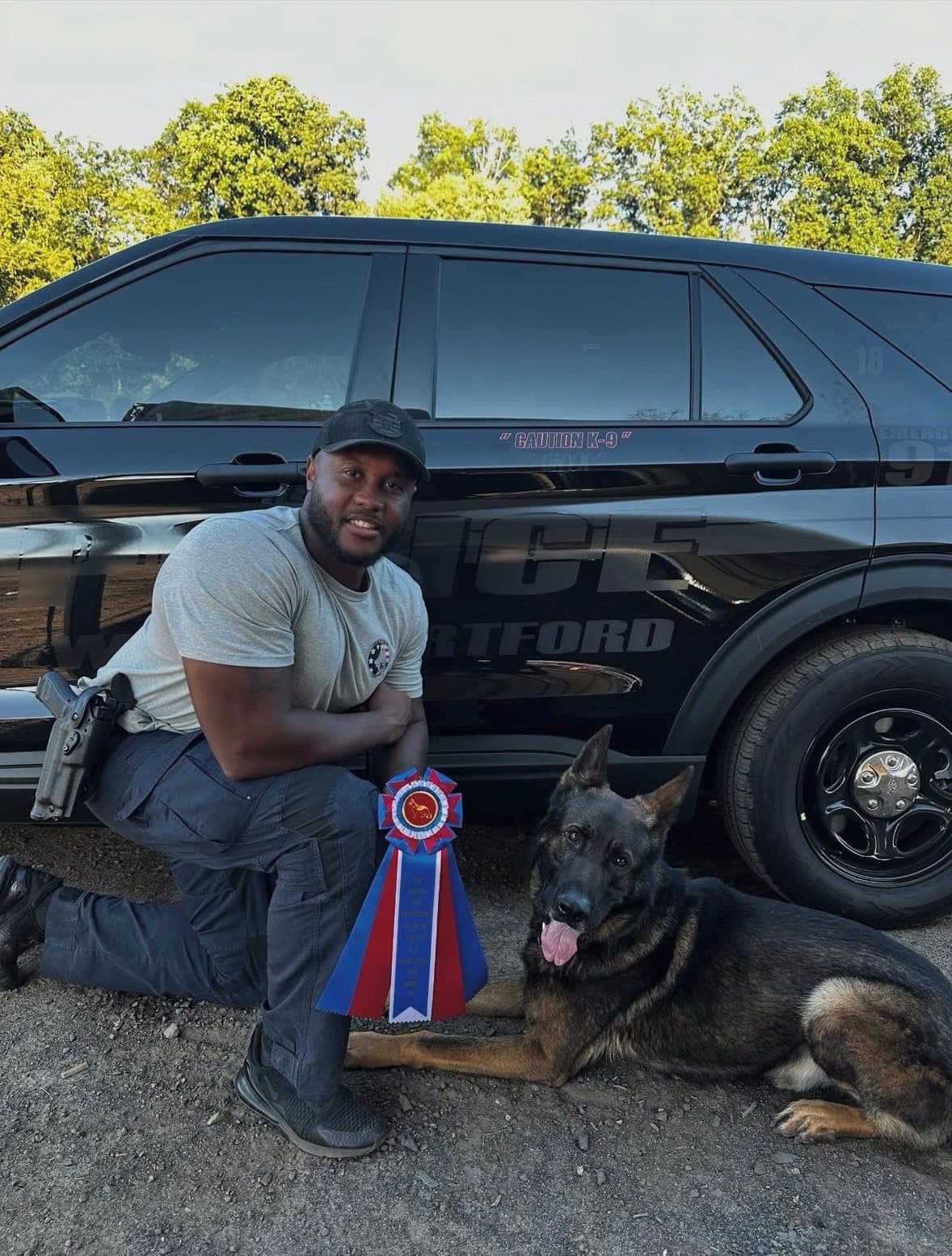
Marion Police Mourn K-9 Yoki, Lost to Sudden Illness
Yoki, a K-9 officer with the Marion Police Department in Indiana, died Friday after a sudden illness, leaving handler Officer Scott Fletcher and the department mourning a partner whose cause of death remains publicly unspecified.
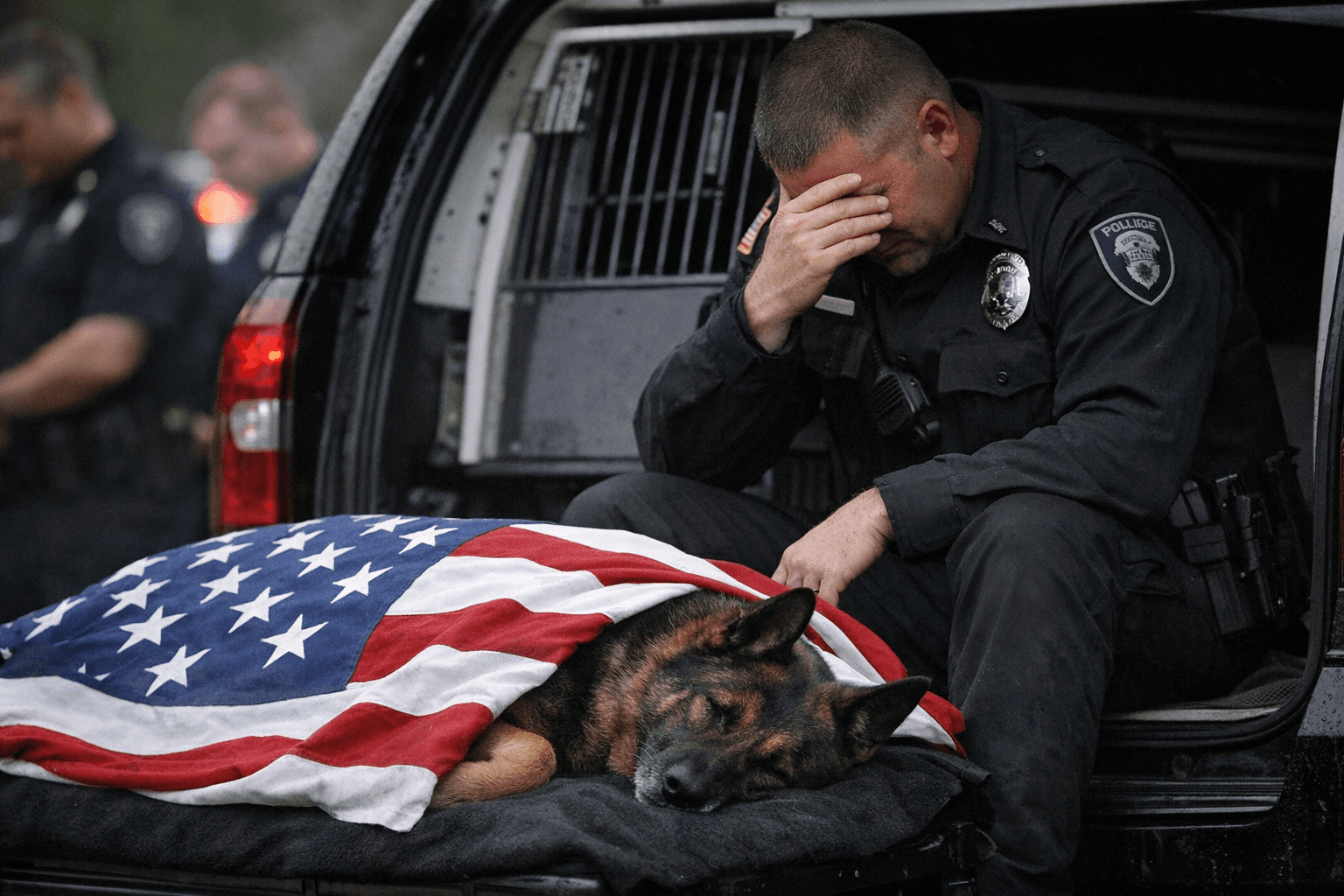
Yoki, a K-9 officer with the Marion Police Department, died Friday, April 3, after what the department described only as a "sudden illness," leaving handler Officer Scott Fletcher and colleagues to grieve a partner whose age, breed, years of service, and specific diagnosis have not been publicly disclosed.
Marion PD formally announced Yoki's end-of-watch on Saturday with what the agency called "profound sadness." The statement named Dr. Noel Ratliff, Julie Frazier, and the staff at Comfort Veterinary Hospital in Marion for their care and compassion during Yoki's final hours, a detail that confirms veterinary intervention was sought but offers no clarity on what the dog was treated for or whether further evaluation, such as a post-mortem examination, is planned. "Go rest easy now. You served well, with courage and loyalty, Yoki," the department posted publicly.
The phrase "sudden illness" occupies a deliberate gray zone that working-dog advocates recognize immediately. When a K-9 dies in the line of duty, reporting obligations and community expectations follow a more structured path: agency statements, official records, and sometimes formal memorial protocols. A medical death carries no such framework. What gets released is largely discretionary, and Marion PD's announcement, while naming the veterinary team, stopped well short of characterizing the illness. The department has not indicated whether a necropsy will be conducted, a step many K-9 program managers pursue when the cause is unexplained, both to rule out contagious conditions and to improve future canine health protocols within the unit.
The operational consequences are immediate. Replacing a trained police K-9 typically costs a department between $8,000 and $10,000 for acquisition alone; patrol and detection training programs add another $12,000 to $15,000. Because K-9 units are classified as specialty expenditures rather than core budget items, many agencies fund replacements through grants and community campaigns rather than standard appropriations. Marion PD has not announced replacement timelines or a public fundraising effort.
For Officer Scott Fletcher, the disruption cuts both professional and personal. K-9 handlers work in a partnership with no parallel in patrol work: the dog lives in the home, trains with the handler daily, and responds to cues no other officer can replicate. When that bond ends without warning, the handler typically returns to non-K-9 duties while retraining is organized, a process that can stretch across months. "Please join our MPD family in prayer for K9 Officer Scott Fletcher and his family, who will all miss Yoki immensely," the department posted on Facebook, a public acknowledgment of grief that also signals the department is managing the emotional weight internally.
Whether formal peer support resources, a structured memorial, or a fundraising link are forthcoming remains unannounced. Marion PD's community outreach for Yoki has been warm; the fuller accounting of what the department knows and what comes next is still owed.
Know something we missed? Have a correction or additional information?
Submit a Tip