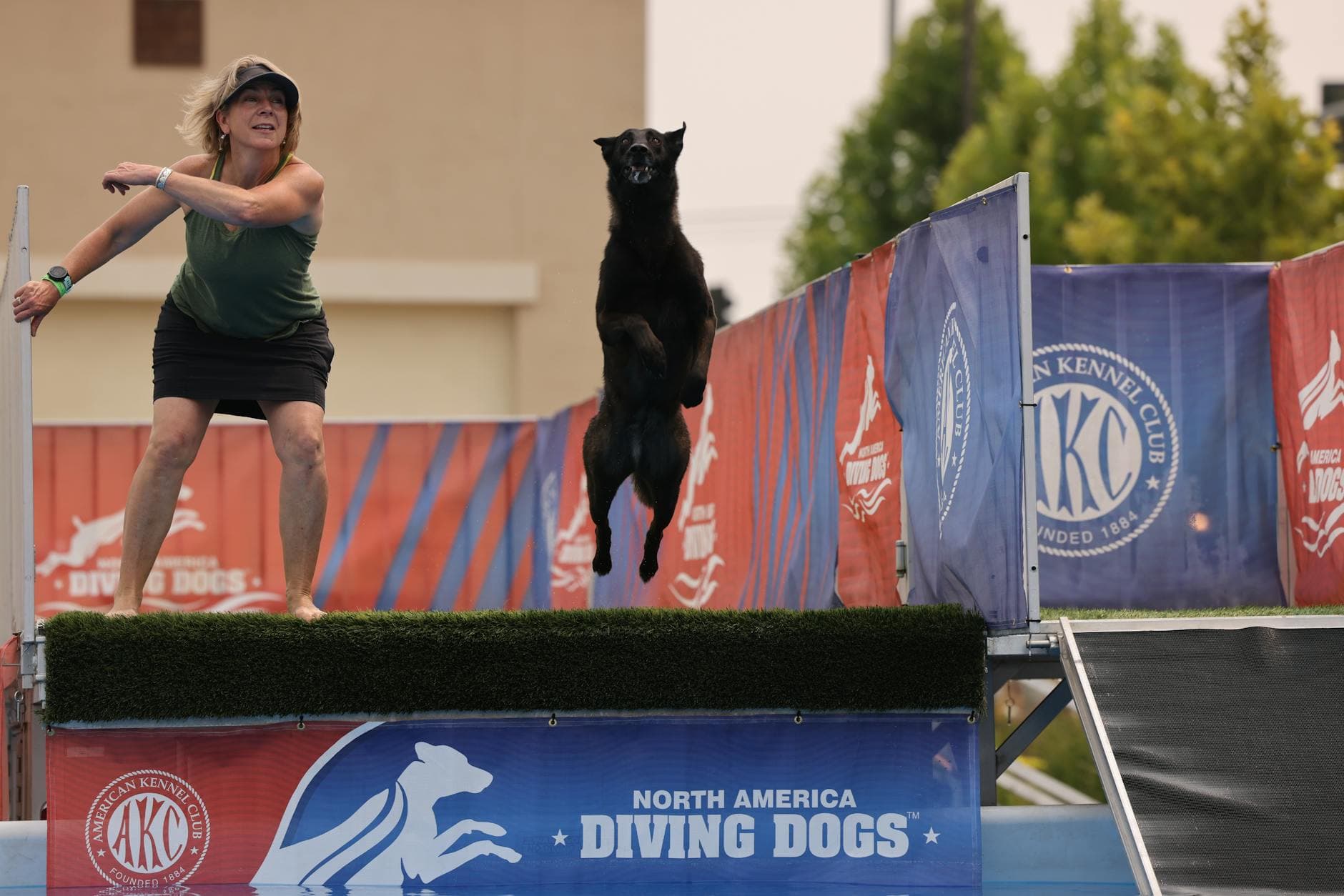
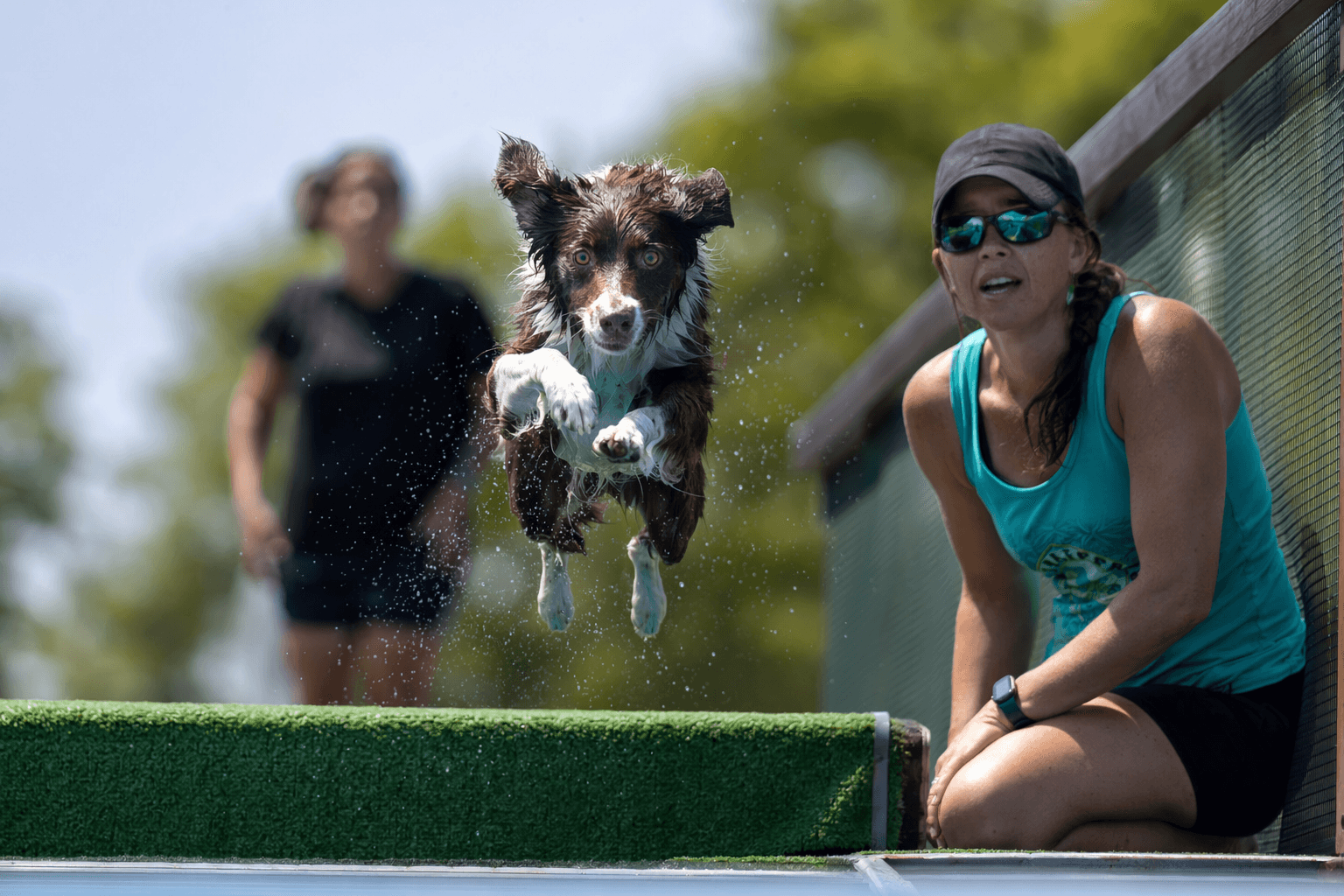
Police dogs face gruelling trials at Nostell family day
Twenty-one police dogs turned Nostell into a live lesson in tracking, scent work and control, with free family-day demos showing how elite K9 skills translate to sport.

The 64th National Police Dog Trials turned Nostell near Wakefield into a rare public look at elite working-dog performance, with 21 police dogs and handlers from forces across the UK tackling the same demands that define real K9 service. For spectators on the free family day, the draw was not just speed or flair, but the way each dog switched between tracking, searching and controlled criminal work under pressure.
West Yorkshire Police spread the competition across multiple locations, then opened the final day on Saturday, May 16, to families. The format tested three demanding phases: tracking a person by residual scent, searching buildings or open areas for hidden suspects, and criminal work that pushed obedience, agility and courage in close sequence. Operational police dogs, police horses, other police departments and partner agencies added demonstrations, along with stalls and family-friendly activities, turning the day into a broader showcase of frontline policing.
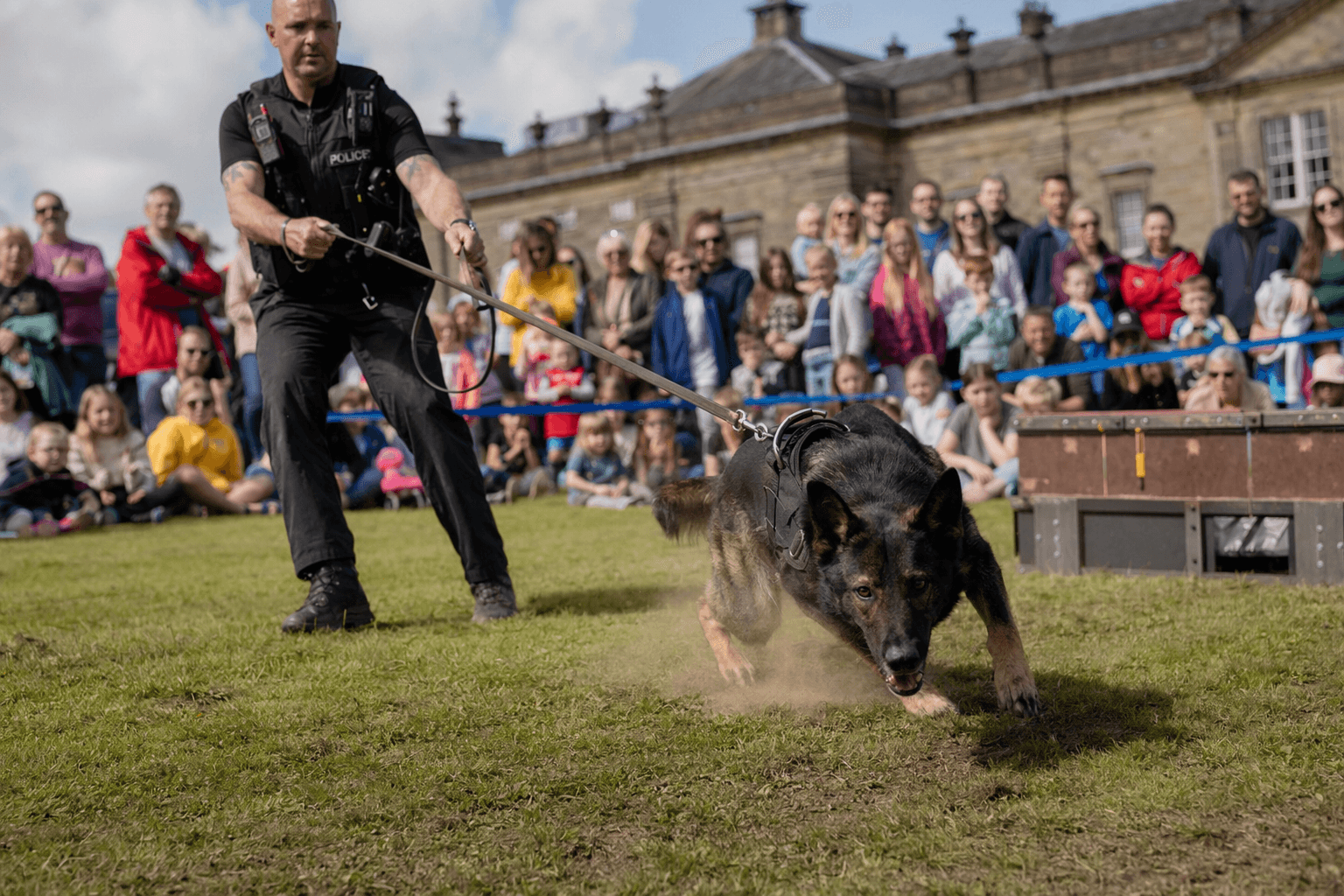
For dog owners in nosework, agility and obedience, the most useful lesson was how tightly the dogs’ drive was managed. These were not simply fast workers. They had to commit to a scent trail, stay methodical in search work and then reset for precision tasks when the environment became noisy and distracting. That balance is exactly what makes a high-energy dog useful in sport or work: focus first, speed second. The public also got a close look at courage under pressure, as dogs worked around pretend suspects and the kind of scenarios that test confidence as much as athleticism.
The event also had a clear national build-up. West Yorkshire Police said three dogs and handlers had advanced from the North East Regional Trials in Wakefield on March 5, with PC Norman and PD Marley winning phase one, PC Van Bellen and PD Bruce taking phases two and three, and PC Silcock and PD Riggs securing best tracking. The national programme included welcome messages from Chief Constable Sir John Robins and Assistant Commissioner Pippa Mills, framing the trials as a measure of expertise, professionalism and teamwork.
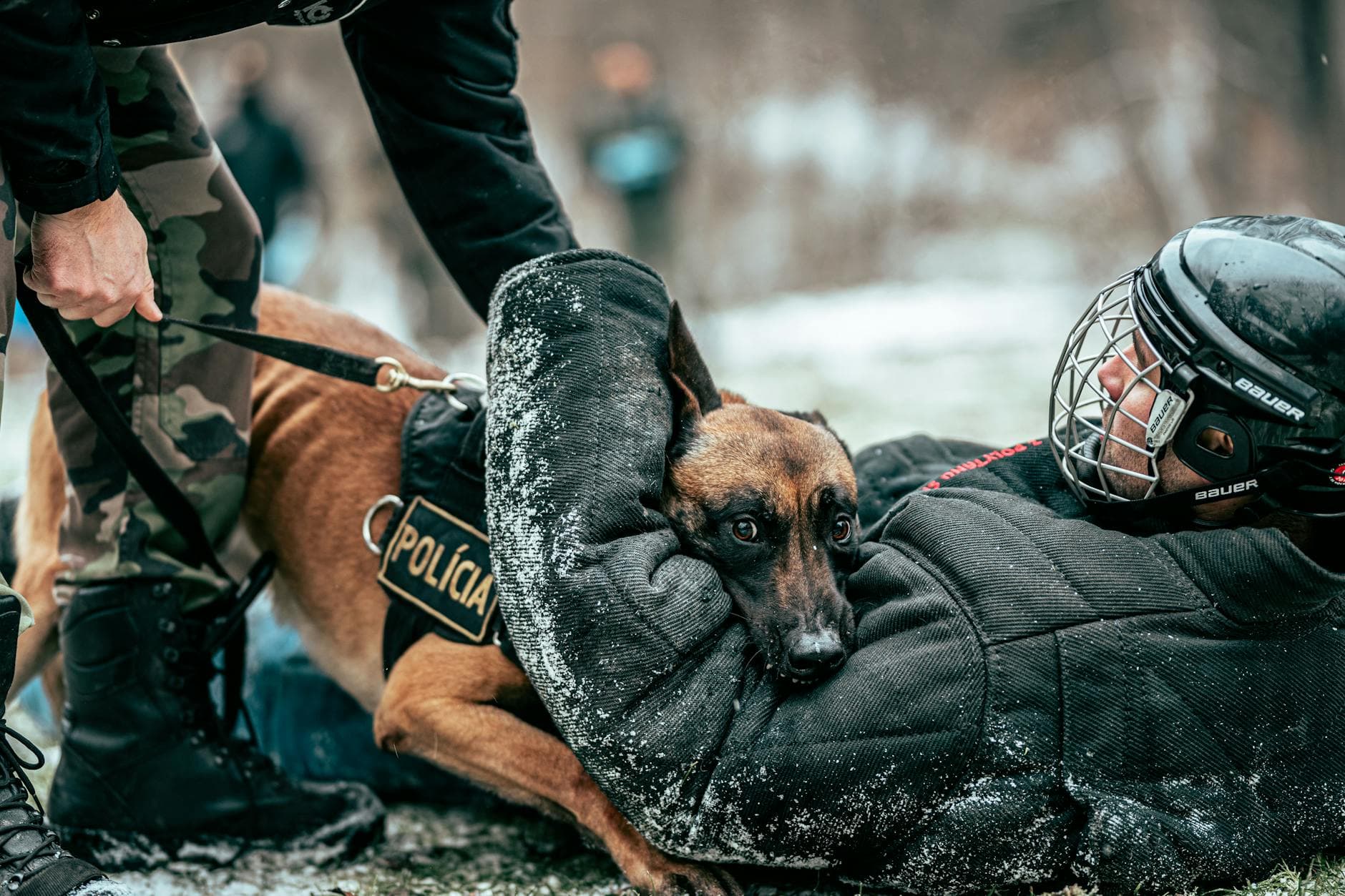
Superintendent Nicola Brown said police dogs help detain dangerous offenders, find missing and vulnerable people and recover vital evidence. That was easy to understand by the end of the day at Nostell. What looked like a family outing also showed why working dogs are trained to keep their head when the pressure is high, and why the same qualities that win police trials can sharpen a hyperenergetic dog for tracking, agility or obedience work at home and in competition.
Know something we missed? Have a correction or additional information?
Submit a Tip