Salisbury House Fire Kills Family Dog, Causes $150,000 in Damage
A family dog died after a 5:29 a.m. electrical fire gutted a home at 726 Richmond Ave. in Salisbury, displacing its owner and causing up to $150,000 in damage.

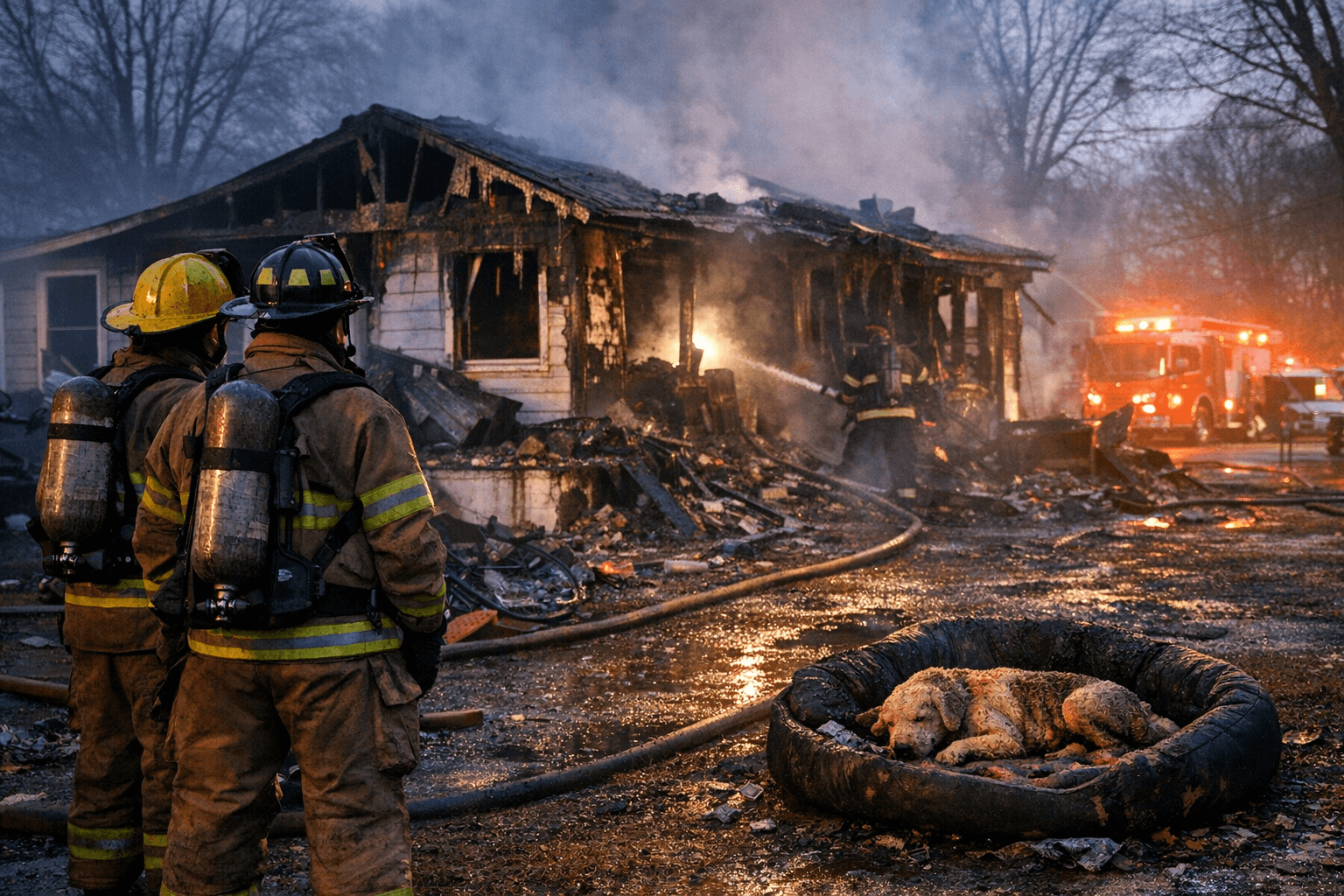
A family dog pulled alive from a burning home at 726 Richmond Avenue in Salisbury died despite emergency care, hours after Maryland fire marshals ruled the April 3 blaze was accidental, ignited by an electrical event in the roof of the structure.
Forty firefighters from the Salisbury Fire Department and the Delmar Fire Department arrived at the property at 5:29 a.m., after a neighbor spotted the fire and reported it. Crews mounted an aggressive attack to complete searches, and a member from Truck 2 located the dog inside the house and transferred the animal to EMS for care. While the pet was transferred to emergency medical services for further care, the Office of the Maryland State Fire Marshal confirmed that the dog passed away from its injuries. The fire was brought under control in 45 minutes. The occupant was displaced, and the American Red Cross and family members are assisting with recovery.
Smoke alarms were present in the home, but it was undetermined whether they activated. There was no fire alarm or sprinkler system. The fire marshal's office estimated total damage at approximately $170,000.
That unresolved alarm question matters at a national scale. About 40,000 pets die in residential fires each year, most from smoke inhalation, and 500,000 pets are affected overall, according to the American Veterinary Medical Association. Electrical malfunction accounts for approximately 6.3 percent of all residential fires, according to National Fire Protection Association data, placing structural wiring, aging circuits, and improperly installed roof and attic penetrations among the most consequential but least visible ignition sources in any home.
For anyone living with a hyperenergetic or high-drive dog, that electrical category carries a specific compounding risk that rarely surfaces in safety conversations. Electrical cords to electronics and appliances are often located down on "their level" and are quite enticing to chew on, which can cause damage to devices, electrocution to the pet, or dangerous conditions that can spark a fire. High-arousal dogs left unsupervised are especially prone to this: when overstimulation takes over and a crate is not part of the routine, a lamp cord or loose charger becomes an accessible outlet for that energy. A dog crated during unsupervised hours cannot reach a cord. Cord management, frayed wire inspection, and consistent crating when no one is home are the small behavioral and environmental adjustments that separate a near-miss from a total loss. Forty thousand pets a year prove that the math, eventually, catches up.
Know something we missed? Have a correction or additional information?
Submit a Tip