Boston cold plunge scene grows as summer heat drives demand
Boston’s cold-plunge map now stretches across neighborhoods and business models, from Moki’s Nordic setups to Seaport clubs and private recovery suites.
Boston’s cold-plunge scene is no longer clustered in one or two luxury corners. The city now has access points in South Boston, Allston, Seaport, Charlestown, Somerville, Saugus and downtown, and the mix is wider than it was a year ago: social clubs, gym recovery rooms, private suites and standalone wellness studios all now sell some version of the ice-bath reset.
The timing matters. Boston has been under serious heat pressure, with the city’s first official heat wave of 2026 approaching and a stretch that already included seven days above 90 degrees in May and June. The City of Boston also issued extreme-heat preparations on June 26, 2026, flagging older adults, pregnant people, infants and young children, people with disabilities and people experiencing homelessness as especially at risk. That backdrop has made cold plunge access feel less like a niche luxury and more like practical urban infrastructure.
Where the Boston cold-plunge clusters are forming
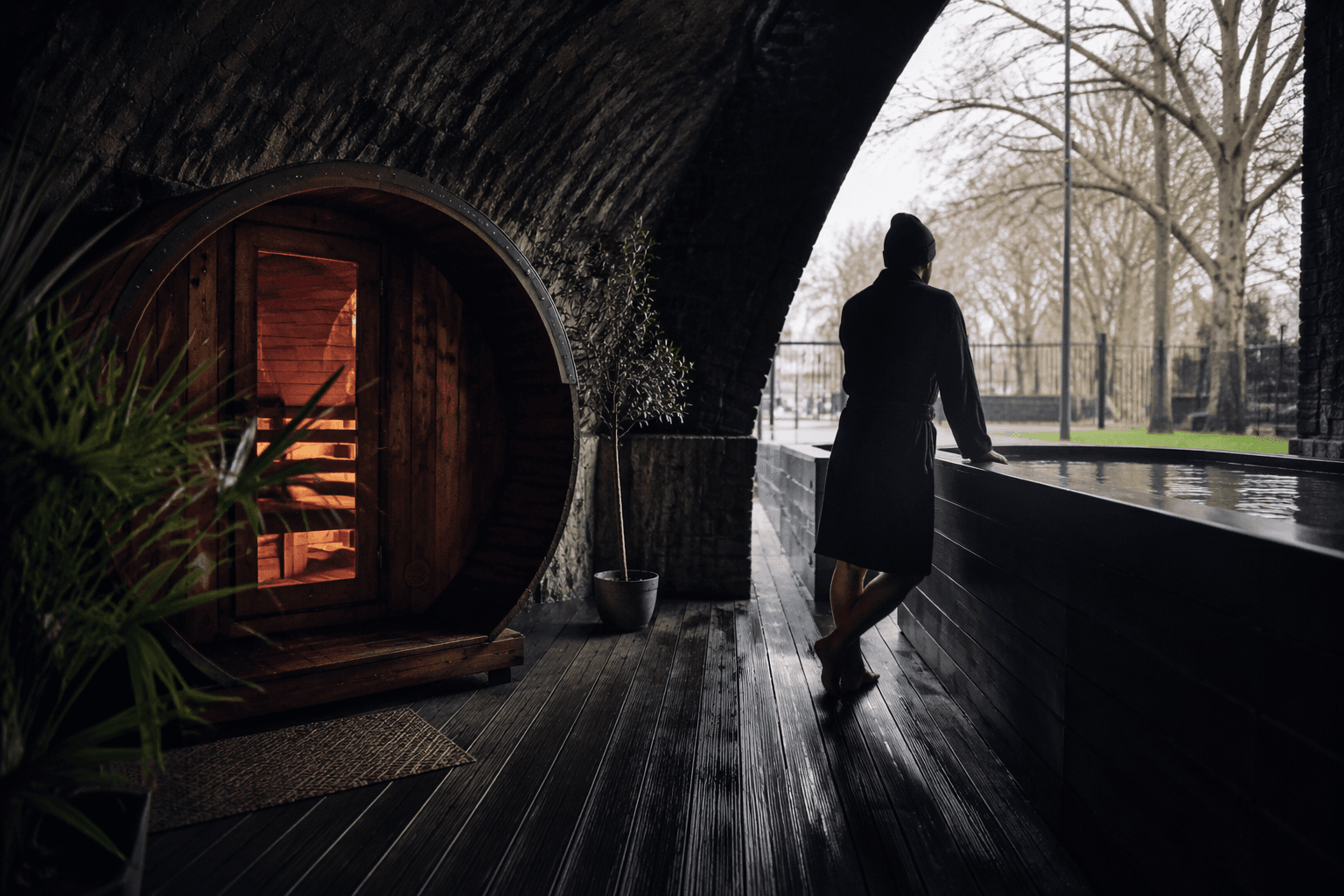
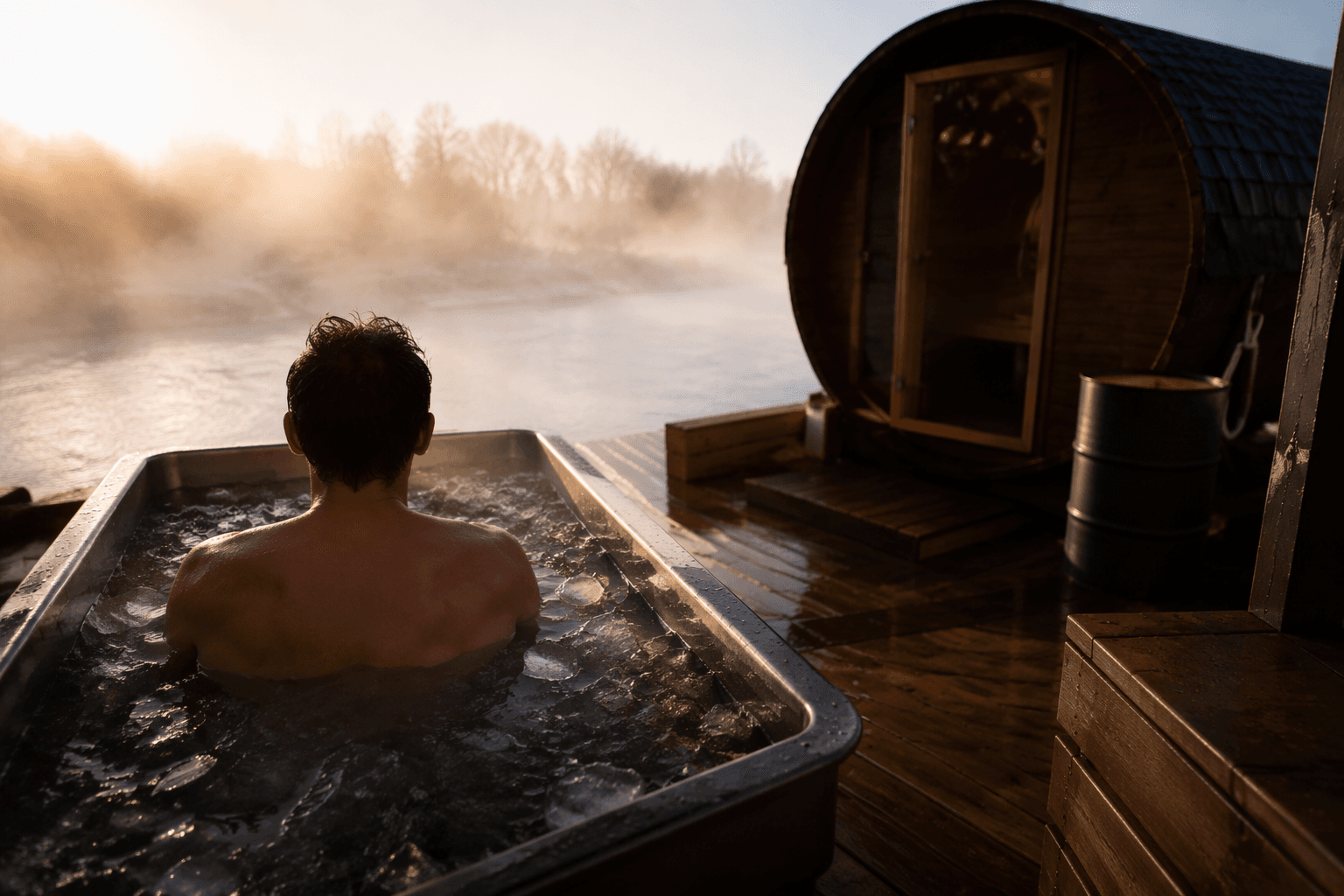
The clearest shift is geographic. In South Boston, Allston and Somerville, Moki Sauna has built a network that leans hard into the Nordic-sauna model, pairing wood-fired heat with cedar barrel cold plunge tubs and shared outdoor space. Its Allston site is fully outdoors and built like a traditional Nordic sauna village, with two traditional saunas and a large multi-person cold plunge, so the experience is designed as a circuit rather than a one-off dip.
That matters for how people actually use these spaces. Moki’s setup pushes cold plunge into a social, repeatable routine, with firepits and outdoor lounge areas making it easy to stay on-site before and after the plunge. The company also says its Summer Passport is valid only from June through August 2026, turning the warm-weather season into a defined purchase window for anyone trying to make cold exposure part of a summer recovery habit.
From recovery ritual to reservation business
In Seaport, Remedy Place pushes the category in a different direction. The Boston club is framed as the brand’s largest club yet, and the Seaport location at 370 Summer St. is built as an upscale social-wellness space where cold exposure sits alongside contrast therapy, infrared sauna, cryotherapy, lymphatic compression and guided breathwork. Boston is one of the brand’s location-specific membership markets, but non-members can also book reservations, which opens the door for anyone who wants to test the format before committing.
That combination, membership plus open booking, is one reason the Boston scene is spreading beyond a narrow set of regulars. The model is less about locking people into one recovery method and more about letting them move between offerings in one visit, whether they want ice baths, heat, compression or breathwork. In practice, that makes Seaport one of the city’s most accessible entry points for people who want a high-end cold plunge without joining a sports facility or a private spa.
Private suites and gym-based recovery rooms
SWTHZ, which operates in South Boston, takes the opposite tack from the social-club model. Its private suites are built for seclusion, with 60-minute sessions that alternate between infrared sauna and cold plunge. Guests can share a suite with one other guest, which keeps the format intimate without making it fully solo, and the pitch is clearly aimed at people who want spa-like privacy without the distractions of a gym floor.
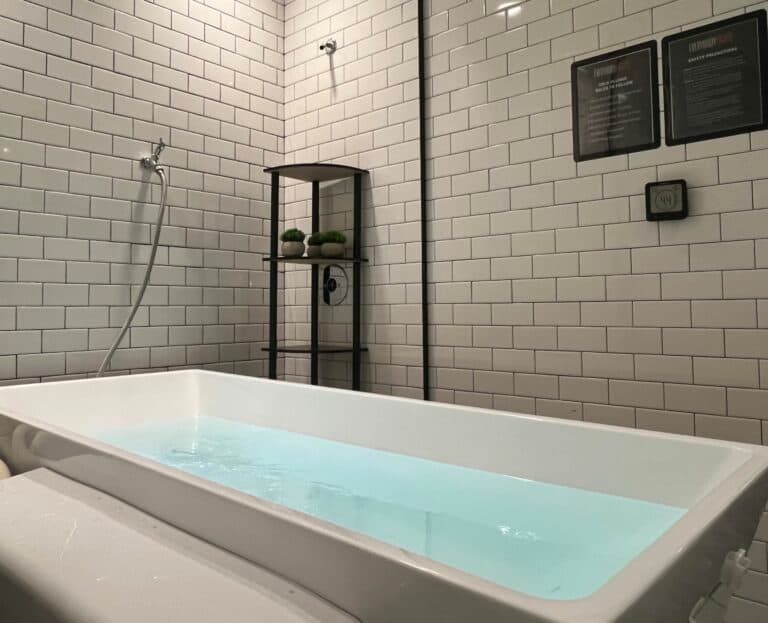
Gym and fitness venues have also moved cold plunges into more ordinary workout routines. EverybodyFights in Seaport, First Guess Fitness downtown and Flight House Fitness in Charlestown all incorporate recovery rooms or ELEVATE suites that pair cold plunges with saunas, red light and showers. That is a meaningful change for city access, because it means cold exposure is no longer limited to standalone wellness studios or sports performance centers. It is now showing up as part of the ordinary post-lift or post-class recovery stack.
Beyond Boston proper, the map keeps widening
The Boston-area options extend past the core neighborhoods. Plunge Boston in Saugus offers cold plunge, sauna, red light therapy, Normatec compression and bodywork, which gives north-of-the-city users a more complete recovery lineup without heading into Boston itself. Float Boston in Somerville adds contrast therapy with sauna and cold plunge, plus cryotherapy and float therapy, widening the menu again for people who want to stack modalities in one stop.
That spread is the real story behind the summer demand. Cold plunging is no longer confined to luxury hotels or elite athletic facilities. In and around Boston, it now comes in multiple business models, from private suites to shared sauna villages to gym recovery rooms, and that means users can choose between social time, privacy or pure training recovery depending on what they want from the session.
How to read the cold-plunge boom safely
The access story should sit beside the caution story. The American Heart Association has warned that sudden immersion in cold water can be dangerous and has cited risk from water under 60 degrees Fahrenheit. Harvard Health’s summary of 2025 research is more encouraging, saying cold-water immersion may help reduce stress and improve sleep or quality of life, but it also stresses that the evidence remains limited overall.
That tension is part of why Boston’s scene feels so current. The city is hot, the venues are multiplying, and the cold-plunge market is broadening fast enough that different readers can now find a workable entry point, whether they want a summer passport in Allston, a reservation in Seaport, a private suite in South Boston or a recovery room attached to a workout. Boston’s plunge scene is no longer about finding a hidden tub. It is about choosing from a growing urban network built for the heat already on the ground.
This article was produced by Prism’s automated news system from verified source data, official records, and press releases, then run through automated quality and moderation checks before publishing. The system is built and supervised by the people who set the standards it runs under. Read our full AI policy.
Did this article answer your question?