Brief Cold Plunges May Sharpen Brain Function, Build Resilience
A short cold plunge may do more than wake you up: new work points to brain-network changes and a delayed stress drop, but the payoff has clear limits.
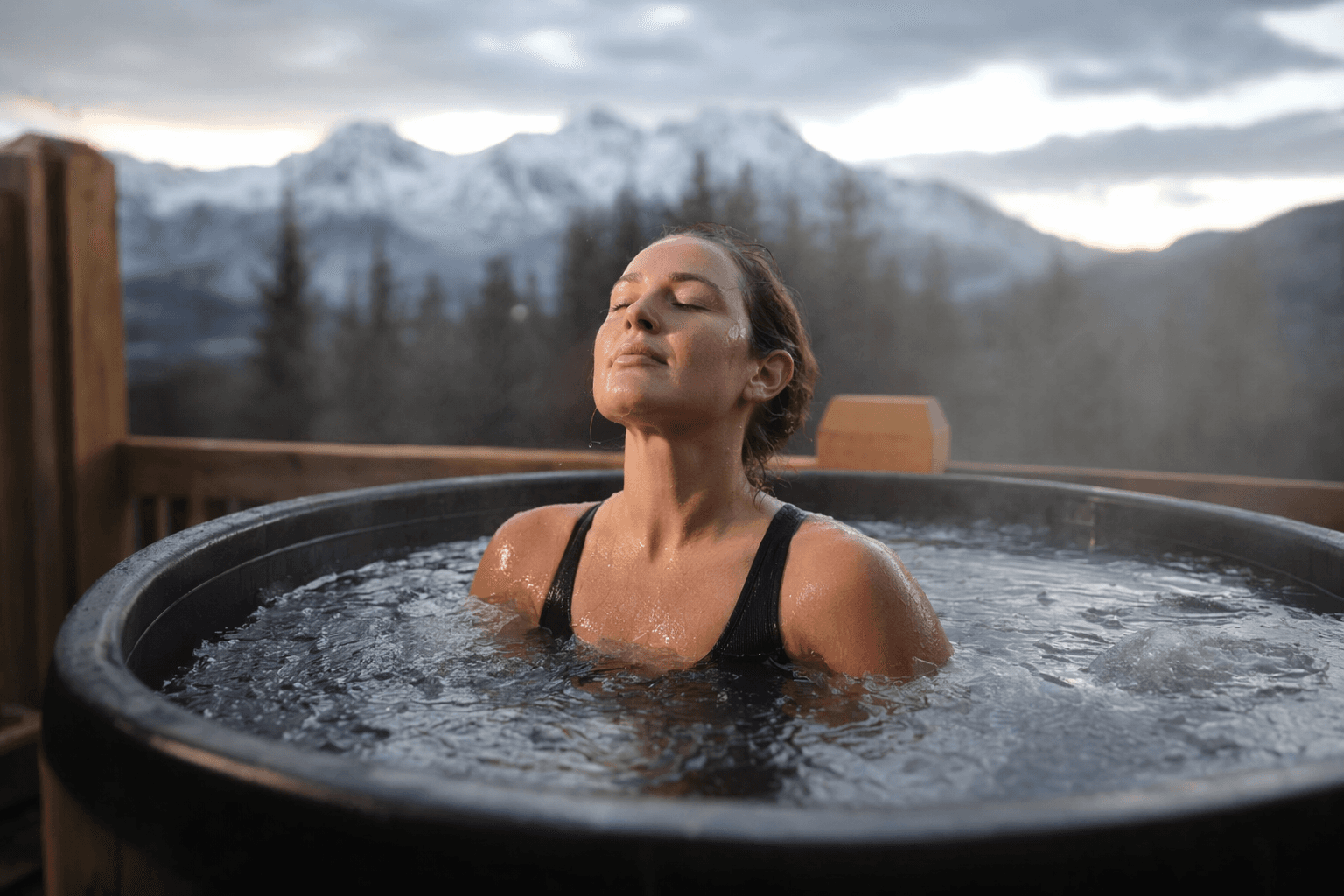
What a 2-minute plunge may really do
A brief cold plunge can do more than trigger a gasp. New research suggests that short exposure to cold water may change how the brain talks to itself, while also nudging stress downward hours later rather than instantly. That makes the ice bath less of a macho endurance test and more of a timed stimulus with a narrow but interesting window of effect.
The practical takeaway is simple: shorter is not automatically weaker. In the studies now drawing attention, the question is not how long you can suffer, but how precisely cold exposure is delivered and what outcome you actually want.
The strongest signal so far: alertness and brain connectivity
One of the most striking pieces of evidence comes from Bournemouth University, where researchers scanned 33 volunteers after five minutes in 20°C water. Using fMRI, they saw altered connectivity between the medial prefrontal cortex and parietal cortex, regions involved in emotion, attention, and decision-making. That pattern helps explain why people often walk out of a cold bath feeling more alert, excited, and mentally switched on.
The team described the brain as seeming to "rewire" its connectivity to help people cope with the shock. In plain language, that does not mean cold plunges are rebuilding your brain overnight. It does mean a short immersion can create measurable shifts in brain function, at least in the short term, and that is more specific than the usual wellness language around feeling “invigorated.”
For anyone testing a plunge at home, this is the most credible promise: a brief cold exposure may sharpen attention and subjective alertness right away, even if the effect is temporary.
What the larger review found, and why timing matters
The bigger picture comes from a January 29, 2025 systematic review and meta-analysis in PLOS One, led by Tara Cain, Ben Singh, and Ala Yankouskaya, with work connected to the University of South Australia. It pooled 11 studies involving 3,177 healthy adults, which is large enough to move the conversation beyond a handful of anecdotal recovery stories.
The review is also useful because it shows how wide the real-world protocol range is. Cold-water immersion in those studies ran from 7°C to 15°C, and exposure times stretched from 30 seconds to 2 hours. Most studies used baths rather than showers, which matters because a plunge tub gives a different full-body stimulus than a quick cold rinse.
The most useful signal in that analysis was not immediate bliss or instant calm. It was a significant reduction in stress about 12 hours after immersion. There was not the same effect immediately, at 1 hour, 24 hours, or 48 hours. That timing matters for anyone using cold water as a recovery tool, because it suggests the body’s response is delayed and not simply a rush of adrenaline that fades as soon as you towel off.
What a short plunge cannot honestly claim
The evidence does not support the usual oversized promises. Harvard Health’s review of the 2025 analysis, led by Howard E. LeWine and Matthew Solan, found no consistent evidence that cold-water immersion reliably boosts mood or immunity. That is a key check on the hype, because those two claims are often used to sell ice baths as a cure-all for modern life.
Sleep is another area where the evidence is narrower than the marketing. Harvard Health noted sleep benefits were observed in men but not women in the reviewed studies. That does not mean women never benefit from cold exposure, only that the current data do not justify broad claims for sleep improvement across everyone.
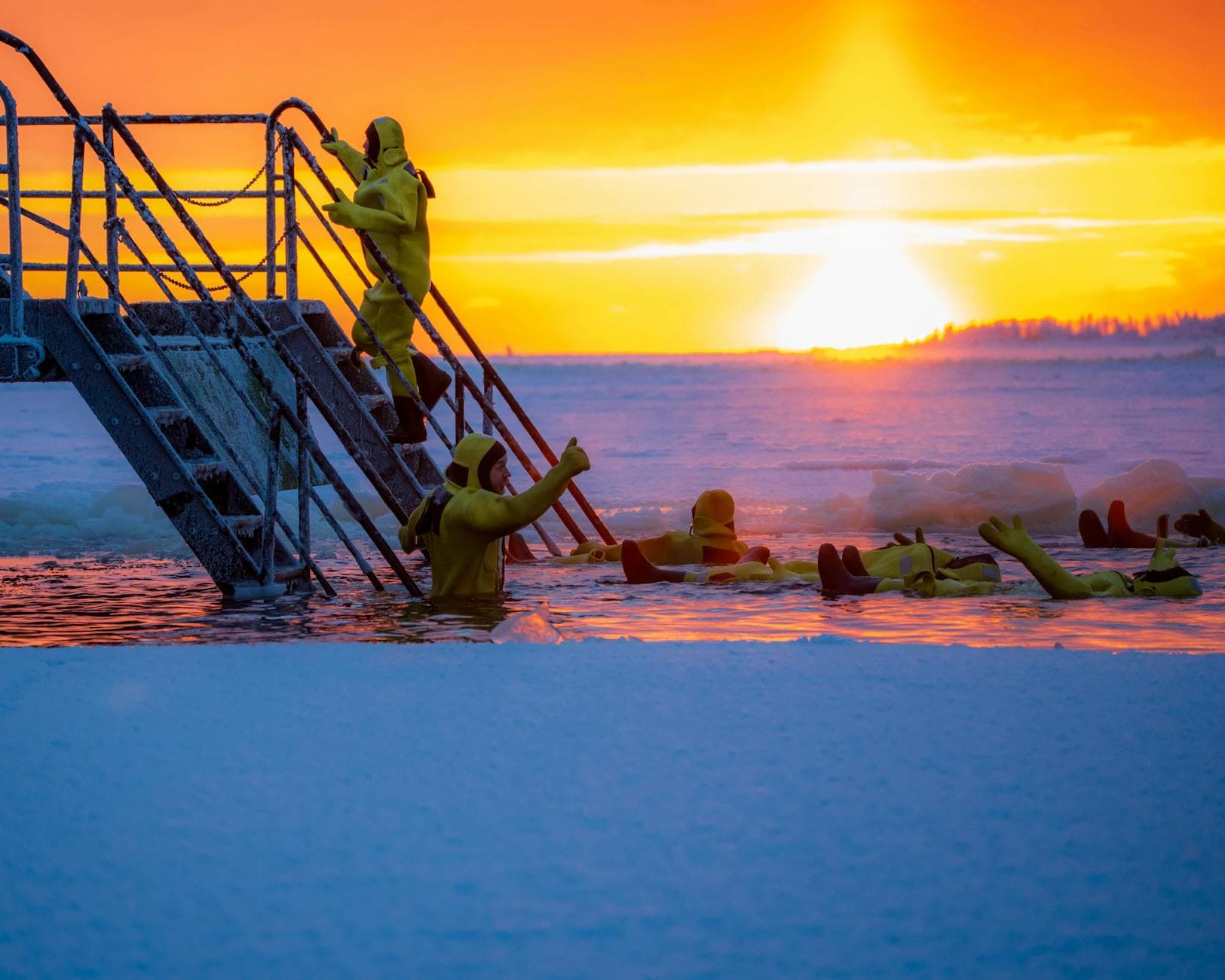
The 2025 review also found an acute inflammatory response immediately and 1 hour after immersion. That is another reason to avoid treating cold plunges as a universal wellness hack. The body is reacting sharply to the stressor first, and any downstream benefit appears to be more subtle and more delayed than the social-media version of the story.
How to read the evidence like a regular person, not a lab
If you want a reader test for your own plunge routine, focus on three questions.
- Are you after alertness, stress reduction, or recovery?
- How cold is the water, and for how long are you actually staying in?
- Are you expecting a same-day transformation, or a modest effect that shows up later?
Right now, the brain-data and the review data point in the same direction: cold exposure can produce real physiological and neurological changes, but the effects are specific, time-dependent, and not universal. The most defensible use case is a brief, controlled plunge that creates a strong sensory and cognitive reset, not an all-purpose fix for mood, immunity, or sleep.
That is why the old “longer is better” mindset deserves a rethink. The current research does not show that more time in the cold automatically creates more benefit. In fact, the timing signals suggest the opposite may be true for some outcomes. A shorter plunge may be enough to trigger the response without chasing extra discomfort that adds little proven value.
How to use cold water more safely
The mainstreaming of cold-water immersion in wellness and sports has made it easy to treat the practice as harmless. It is not. Experts continue to warn that people with heart conditions, high blood pressure, diabetes, or poor circulation should check with a doctor before trying it.
That caution is especially important because cold water is a cardiovascular stressor as much as it is a recovery tool. A sudden plunge can spike the body’s response quickly, which is exactly why some people feel mentally sharp afterward, but also why risk rises for people with underlying health problems.
A practical approach is to keep the first exposures short, controlled, and predictable. The studies behind the current discussion used anything from 30 seconds to 2 hours across 7°C to 15°C water, but the most meaningful takeaway is not to copy the longest session you see online. It is to find a dose that is tolerable, repeatable, and tied to a specific goal.
The bottom line for cold-plunge regulars
Brief cold exposure now has a more interesting scientific case than the old “toughen up” narrative suggests. The best evidence points to short-term changes in brain connectivity, a delayed stress reduction signal about 12 hours later, and a real but limited role for cold water in resilience and recovery.
What it does not yet prove is just as important: it is not a guaranteed mood booster, not a reliable immunity hack, and not a reason to stay in longer just because you can. For now, the smart play is to treat the ice bath as a precise tool with a narrow set of benefits, not a legend in a tub.
This article was produced by Prism’s automated news system from verified source data, official records, and press releases, then run through automated quality and moderation checks before publishing. The system is built and supervised by the people who set the standards it runs under. Read our full AI policy.
Did this article answer your question?