Cold-water immersion, benefits promising, evidence and risks still unclear
Cold plunges may lift mood for some, but the first minute can turn dangerous fast, especially if your heart or breathing can’t handle the shock.
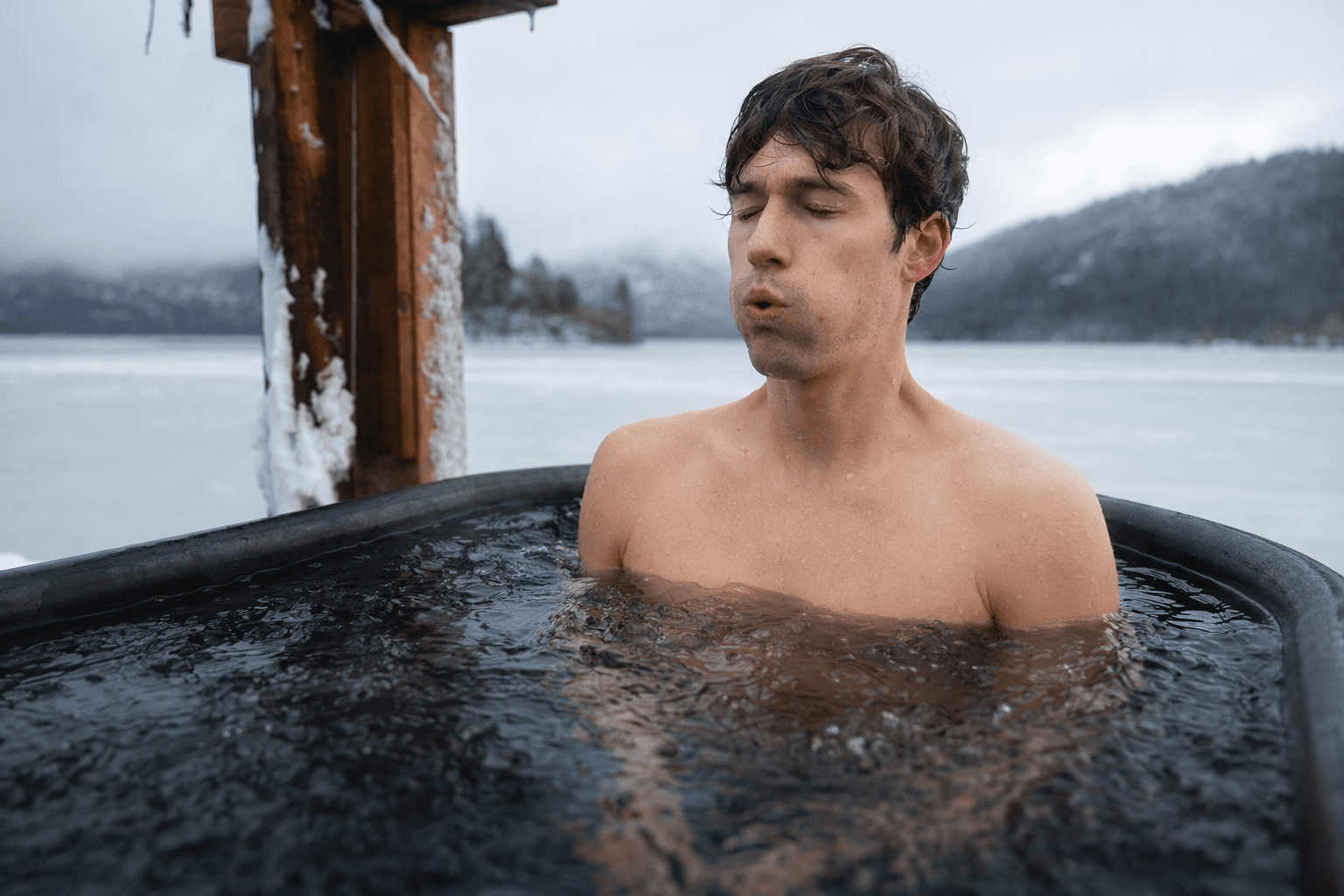
Cold-water immersion sells itself as recovery, resilience, and mental reset. The catch is that the same first blast of cold that can leave some people feeling oddly good, as Mark Harper described after his own first chilly swim, is also the moment the body can flip into a dangerous stress response.
Myth-vs-evidence scorecard
- Myth: Ice baths are a proven all-purpose health fix.
The stronger claim still outruns the science. The American Heart Association has said there is little evidence to support broad health-benefit claims, which is a big reason cold plunging remains more promise than proof for most outcomes.
- Myth: The only real danger is staying in too long and getting hypothermia.
The first threat is often immediate, not delayed. A 2024 systematic review and meta-analysis says cold-water immersion can trigger a life-threatening cold-shock response that causes hyperventilation, raises the risk of cardiac arrhythmias, and increases drowning risk.
- Myth: If you are a good swimmer, you are protected.
The National Weather Service says confident swimmers can still be overwhelmed by the sudden gasp and rapid breathing that cold shock causes. In other words, technique and fitness do not cancel out the body’s reflexive response.
- Myth: More extreme cold always means better results.
That is not how the evidence reads. Repeated exposure may blunt the shock over time, but colder water is not automatically better, and the core question is still whether the practice produces meaningful benefits without tipping into avoidable risk.
What the evidence actually supports
The most credible case for cold-water immersion is narrower than the hype. The clearest signals point to possible mental-health effects for some people, especially around mood and depression, but even there the evidence is still developing. A 2024 PubMed-indexed study described cold-water immersion as a growing global practice and looked at depression, anxiety, and mindfulness, which tells you the field is still mapping basic outcomes rather than settling big clinical claims.
That caution matters because the mental-health conversation is where cold plunging often gets oversold. The University of Sussex NHS Foundation Trust says the OUTSIDE study is the first large-scale clinical trial to test whether outdoor swimming can reduce symptoms of depression, and that alone shows how early the evidence base still is. There are promising signs, but not the kind of hard confirmation that would justify treating cold plunges as a replacement for established care.
Even the tradition behind the practice should be read carefully. The University of Sussex note says the idea that cold-water swimming improves health has been reported for centuries, and it cites Katharine Hepburn as a famous example of someone who reportedly used icy Pacific swims to treat winter colds. That history makes the practice culturally durable, but it does not make every claim about it true.
Where the real risk starts
The dangerous part of a plunge often begins before a person even has time to decide whether it feels refreshing. Cold shock can cause a sudden gasp, rapid breathing, and a violent spike in stress that affects the heart and the ability to stay calm in the water. That is why the National Weather Service warns that even experienced swimmers can be put at greater drowning risk in the opening moments.
The American Heart Association has been even blunter about the hazard. In a 2022 article, it said there is little evidence for the health claims and that sudden immersion can be dangerous. The article also quoted Dr. Jorge Plutzky warning that water under 60 degrees Fahrenheit can kill a person in less than a minute, which puts the issue in stark practical terms for anyone using a home tub, stock tank, or plunge setup.
Hypothermia is part of the picture too, but it is not the only one. Mayo Clinic says immersion in cold water can cause hypothermia, and if it is not treated, the heart and respiratory system can fail. That means the risk profile is not just about how cold the water feels on entry, but about how the body responds if the exposure continues.
Who should not treat this as a casual wellness habit
Cold plunging should not be treated like a harmless add-on for people with cardiovascular issues or other vulnerabilities. The same reflex that can make the practice feel invigorating can also provoke arrhythmias, and the wrong response in the wrong body can turn a wellness ritual into a medical emergency.
That is especially important for anyone who has been told their heart does not tolerate sudden stress well. The science and safety guidance both point in the same direction: if your system is already vulnerable, the plunge is not a simple test of toughness. It is a real physiological challenge.
Why repetition changes the equation, but not enough to erase it
There is one encouraging finding for regular users. A 2024 PubMed abstract on repeated cold-water immersion says that repeated exposure can habituate the cold-shock response, reducing its size over time. That helps explain why experienced plungers often report that the first gasp gets easier.
But habituation is not the same thing as safety. A blunted response is still a response, and the hazard remains if the water is cold enough, the entry is abrupt enough, or the person has a medical condition that makes sudden stress a problem. Repetition can train tolerance; it does not turn the plunge into a neutral act.
That is the real scorecard for active cold-plunge users: some benefits are plausible, some are still being tested, and the most immediate risk is not abstract at all. It is the first shock, the first breath, and the first minute in water that the body may not handle the way the marketing promise suggests.
This article was produced by Prism’s automated news system from verified source data, official records, and press releases, then run through automated quality and moderation checks before publishing. The system is built and supervised by the people who set the standards it runs under. Read our full AI policy.
Did this article answer your question?