Erling Haaland’s recovery routine puts ice baths in the spotlight
Erling Haaland's four-or-five-times-a-week ice baths and sauna sessions turn cold plunging into a pro-level recovery block, not a quick wellness stunt.
Four or five times a week, Erling Haaland folds cold exposure, sauna time and hypoxic-chamber sessions into his post-training routine. The Norway striker’s recovery setup makes ice baths look less like a weekend biohacking flourish and more like part of the work. In a summer sports calendar full of heat, fatigue and travel, that weekly stack offers a clearer picture of where cold plunging sits now: not alone, but inside a broader recovery system.
The Haaland stack
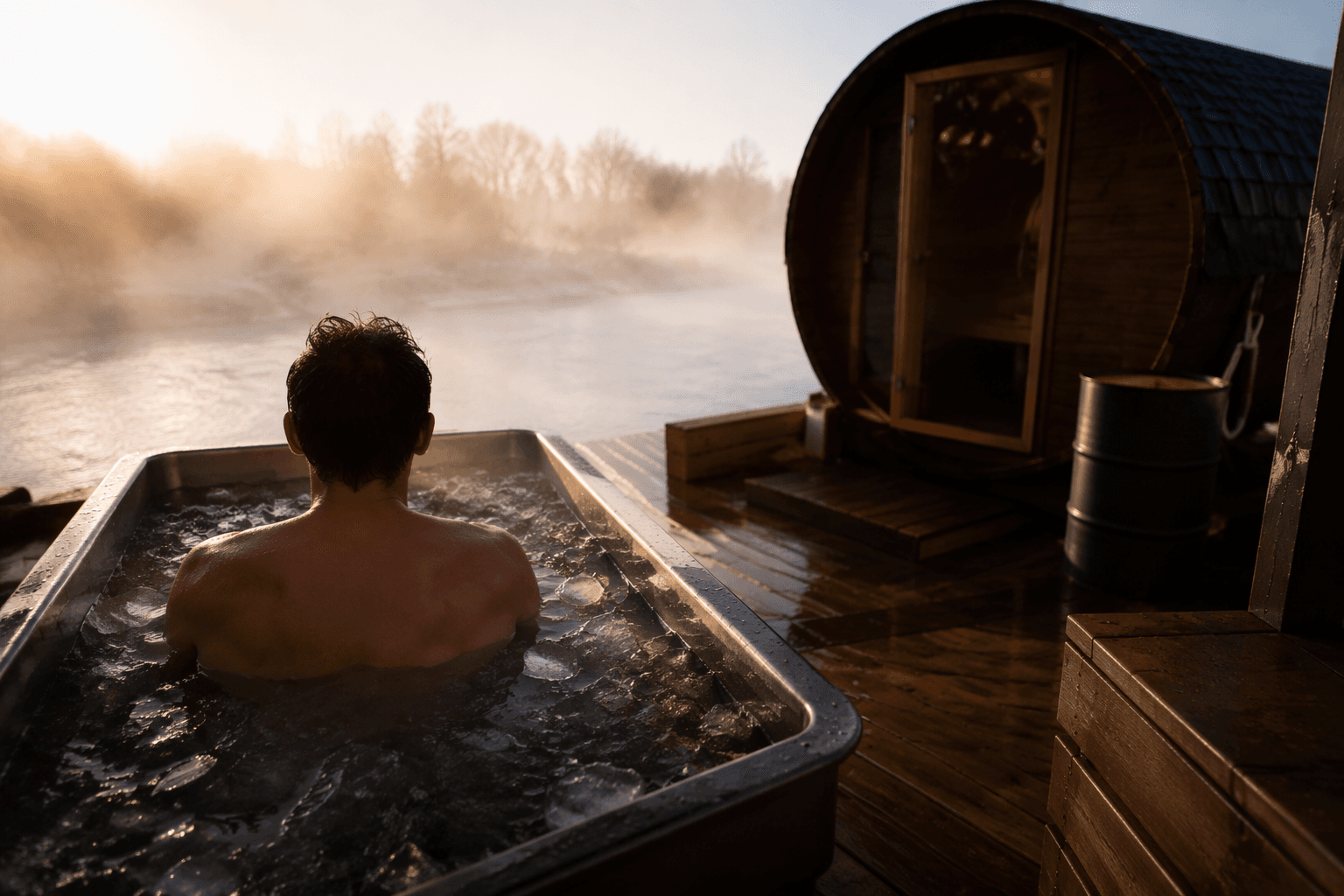
Haaland’s setup at Manchester City’s facilities in Manchester and Cheshire pairs an ice bath with sauna work after training, with cold exposure used for shock and soreness management, heat used for circulation and relaxation, and hypoxic work added for another layer of conditioning. The ice bath is one piece of a repeatable block that fits around a striker’s training and match load.
He has described himself as a “24/7 athlete.” For him, football is not just the 90 minutes on the pitch, but also how he sleeps, prepares and resets for the next session or match. In that same frame, he said, “I feel tired, but I tell my body I’m not.”
What amateur plungers can borrow
The most replicable part of Haaland’s routine is not the exact equipment list. It is the way he treats recovery as scheduled work, not a random fix after a hard day. That schedule gives the routine a rhythm, and the pairing with sauna shows that cold exposure can sit inside a larger cycle instead of being used as a one-off punishment.
For everyday lifters, runners and team-sport players, the useful lesson is timing and context. Cold exposure makes the most sense after the hardest training blocks, the biggest match-load days or the weeks when heat and travel stack up. The pro version is wrapped in a full support system, but the hobby version can still borrow the same architecture: make recovery deliberate, repeat it, and connect it to the workload that actually created the fatigue.
Contrast therapy, breathwork, sauna circuits and altitude-style training keep appearing in the same lane because athletes are no longer looking for a single magic tool.
Where the pro context still matters
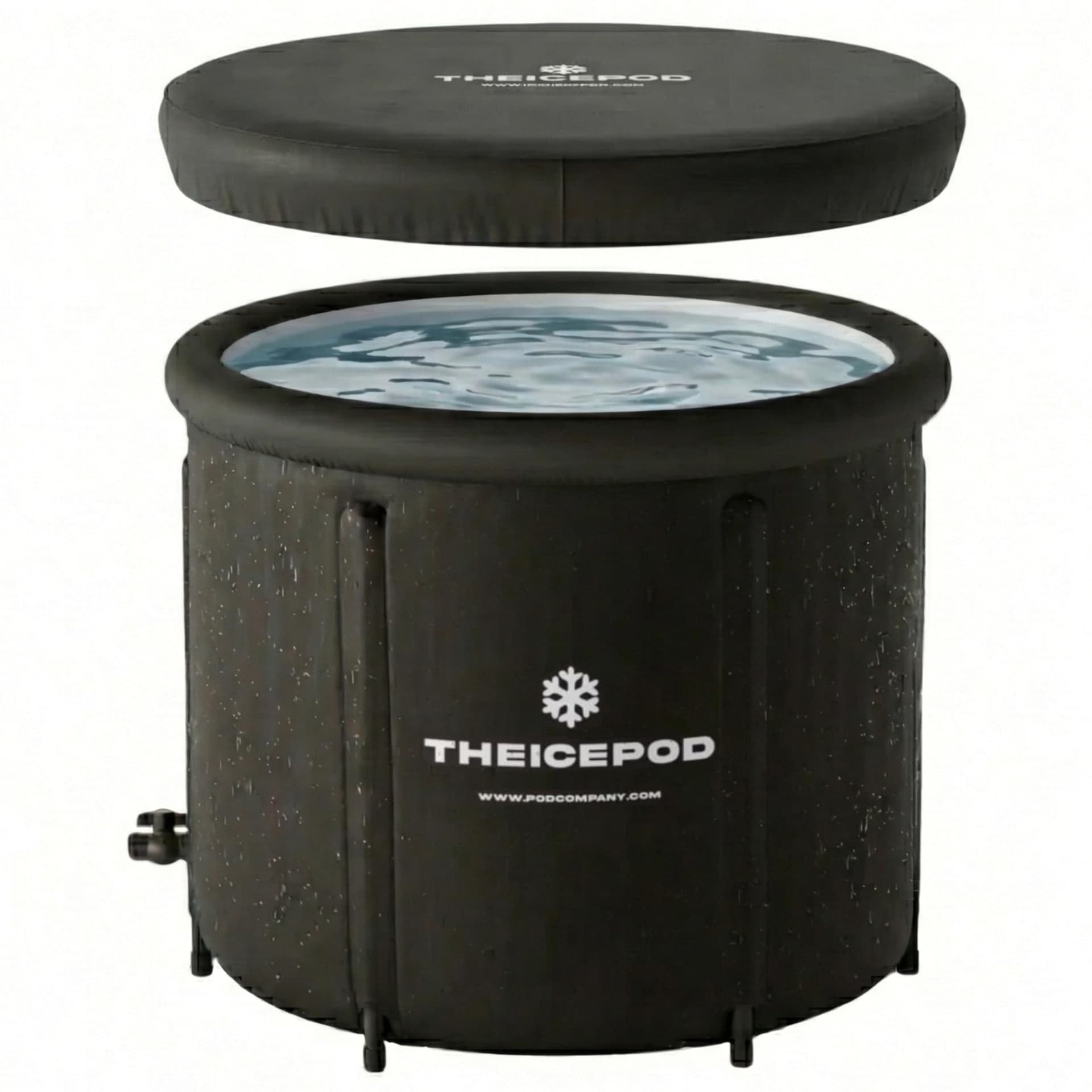
The parts of Haaland’s routine that are easiest to admire are also the hardest to copy. Hypoxic-chamber work at Manchester City’s facilities is not something most people can casually bolt onto a home setup, and the value of that work lives inside a performance environment built around coaching, monitoring and heavy training demands. A cold tub in a garage can mimic the plunge, but it cannot mimic the full system around it.
Elite athletes often use recovery in response to a larger weekly load. A cold bath helps a body absorb repeated high-intensity work while the rest of the program keeps moving. In a pro club setting, the plunge is one part of how the athlete stays available for the next session, the next match, and the next block of the season.
Why the science still leaves room for debate
The popularity of ice baths has outpaced certainty. A 2022 systematic review in Sports Medicine found that studies on cold-water immersion for athletic performance recovery, perceptual measures and creatine kinase have reported mixed results. A separate meta-analysis on fatigue recovery after high-intensity exercise found conflicting opinions about whether cold-water immersion helps or hinders recovery, and the mechanisms remain unclear.
Haaland’s routine is useful as an example without turning into proof. Current sports-science literature does not treat ice baths as a universally proven recovery tool. Some athletes want the numbness, some want the ritual, and others want a tool that slots neatly next to sauna work and sleep discipline.
Why athlete adoption keeps legitimizing cold exposure
Cold immersion keeps moving into the mainstream because the people using it have status. When a player as visible as Haaland ties ice baths to his weekly routine, the habit travels fast into gyms, spas and home setups. That is especially true in soccer, where recovery culture has become a global language and where elite routines are watched, copied and sold back to the public in a matter of days.
Haaland’s example also reframes the ice bath as part of a disciplined week rather than a social-media stunt. The routine is frequent, integrated and practical, with sauna time, hypoxic work and repeat training all sitting in the same frame.
This article was produced by Prism’s automated news system from verified source data, official records, and press releases, then run through automated quality and moderation checks before publishing. The system is built and supervised by the people who set the standards it runs under. Read our full AI policy.
Did this article answer your question?