From Roman baths to modern ice baths, cold plunges run deep
Cold plunges look modern, but the ritual and the medical logic run back through Roman frigidaria and 19th-century hydrotherapy. The hype is newer than the water.
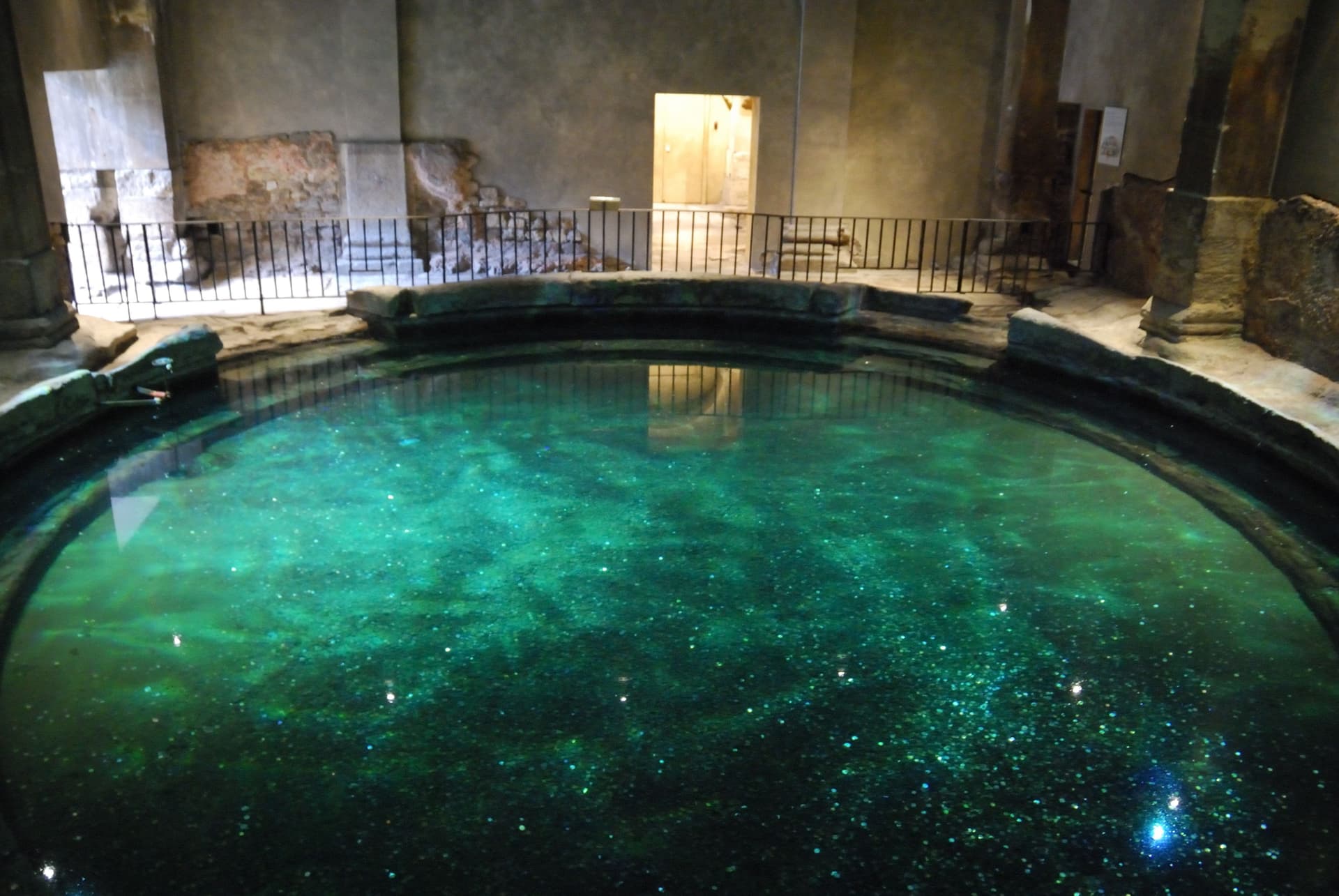
The cold plunge did not arrive out of nowhere with a stainless tub and a wellness subscription. Long before ice baths became a performance habit, Roman bathers were already moving through a formal sequence that ended in the frigidarium, the cold room, after the tepidarium and hotter baths. In Bath, England, the Roman Baths complex was built around 70 CE on geothermal springs, and the same basic logic still hangs over today’s plunge culture: cold was never just a shock, it was the final beat in a larger bathing ritual.
Cold immersion was built into the Roman sequence
The Roman version of cold exposure was structured, not improvised. Britannica’s account of the Roman Baths describes a bathing circuit that culminated in a plunge in the frigidarium, while an official French archaeology source on Roman baths in Paris notes that some frigidaria were thermically isolated, equipped with unheated bathing gear, and could include an 80-cm-deep cold-water basin. That detail matters because it shows cold immersion as architecture as much as behavior, designed into the room itself rather than added as a trend.
That older design also complicates the modern idea that cold plunging is a one-note wellness hack. The Roman bath sequence folded cold into a larger system of heat, water, and recovery, which means today’s tubs and plunges are less a reinvention than a revival of a very old human habit: making the body cross from warmth into cold on purpose.
Hydrotherapy gave cold water a medical lineage
The modern medical ancestor of the ice bath emerged through hydrotherapy, which Case Western Reserve University’s Encyclopedia of Cleveland History says was developed in Germany and first used in the United States in the late 1880s. By the 1890s, Cleveland was using it for typhoid fever and later for neuropsychiatric disorders. That is a very different setting from a social-media recovery clip, but the core idea is familiar: water, temperature, and controlled exposure were treated as tools.
The treatments were not vague. They had names and protocols, including plunge baths, douches, showers, hose treatments, cataract baths, wet-sheet rubbing, and the sitz bath. In that version, the patient sat waist-deep in ice water for 15 to 20 minutes, with a blanket thrown over the shoulders. A Smithsonian record for an 1860 sitz bathtub shows the same principle in physical form, with the bather partially immersed up to the navel in cold water. John Bell’s 1859 *Treatise on Baths* went even further, classifying baths by how water was applied, by temperature, and by which parts of the body were immersed.
That history is the useful antidote to a lot of present-day hype. Cold immersion was not invented as a standalone recovery product. It was one part of a broader therapeutic language that already knew the difference between a quick dip, a partial immersion, and a longer, more deliberate soak.
What medicine still supports, and what it does not
Cleveland Clinic says hydrotherapy has been used since the beginning of recorded history, and in the last 20 years medical experts have started studying it as an evidence-based treatment for some conditions and symptoms. The strongest recurring signals are not dramatic cures, but narrower effects: relief for muscle pain and joint stiffness. That is a more modest claim than the marketing often attached to ice baths, and it is closer to how the therapy has actually been used over time.
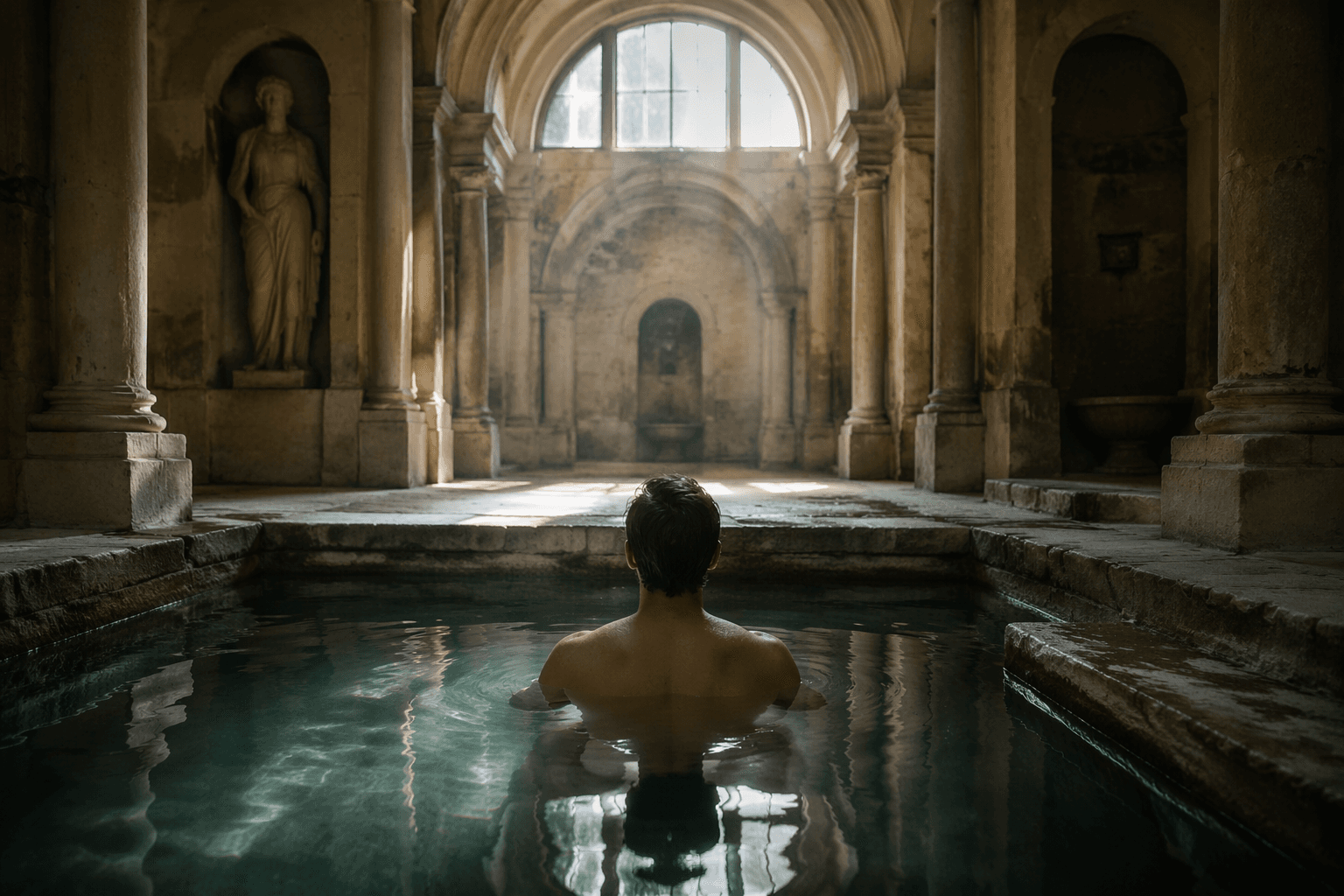
The present-day evidence base is growing, but it is still cautious. A 2025 PLOS ONE systematic review and meta-analysis analyzed 11 randomized trials involving 3,177 healthy adults. The review focused on cold showers, ice baths, and plunges at water temperatures of 15°C or below for at least 30 seconds. Harvard Health’s summary of that work said the findings suggested possible stress reduction, better sleep for men, and better quality-of-life scores for cold-shower users, while also underscoring that the research is still limited.
That combination is the key to reading the current moment honestly. The practice is widespread enough to attract serious study, but the clinical picture is still incomplete. You can see why the market likes to overstate certainty, because the evidence points to some benefits without turning cold immersion into a universal remedy.
The recovery science is real, but the edges stay fuzzy
Sports Medicine reviews have repeatedly landed in the same place: cold-water immersion is popular for post-exercise recovery, but the evidence remains mixed and clear guidelines are still lacking. That matters for anyone treating an ice bath as a fixed rule rather than one option among many. In other words, the body of research does not yet justify turning every hard workout into a mandatory plunge.
The physiological explanation, though, is plausible enough to keep drawing attention. AP’s 2025 reporting quoted experts pointing to the cold-shock response, the sudden drop in skin temperature, stress-hormone release, endorphins, and possible anti-inflammatory effects as part of why people feel a real hit from cold water. That may explain the afterglow many users describe, but it does not erase the risks that come with prolonged immersion. The same cold that can feel clarifying can also become dangerous if the exposure goes too far.
What has stayed the same, and what is newly packaged
The long timeline is the real fact-check on the current boom. Roman bathers already understood cold as the final phase of a structured ritual. 19th-century hydrotherapy turned cold water into a named medical practice with precise durations, body positions, and room design. Modern studies are now asking narrower questions about stress, sleep, soreness, and wellbeing, but they have not produced a blank check for the claims attached to every plunge product and recovery tub.
What is new is the branding, the portability, and the sales pitch. What is old is the belief that cold water can reset the body, sharpen the mind, or soothe a specific complaint when used carefully. That is why ice baths keep coming back: not because the science has suddenly changed all at once, but because each era finds its own language for an ancient practice that still feels, in the moment, like crossing a line the body notices.
This article was produced by Prism’s automated news system from verified source data, official records, and press releases, then run through automated quality and moderation checks before publishing. The system is built and supervised by the people who set the standards it runs under. Read our full AI policy.
Did this article answer your question?