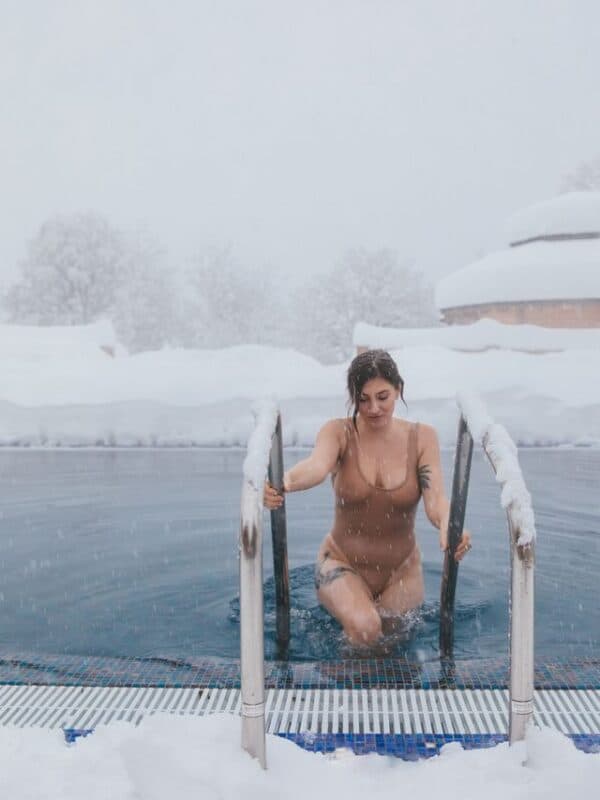
Hot and Cold Water Therapy Gains Steam as Recovery Tool in Utah Expo Preview
Cold plunges and hot tubs are being sold as everyday recovery tools in Utah, but the expo pitch runs ahead of the evidence and the safety cautions.

The new recovery pitch
Cold plunges have moved well beyond elite-athlete culture. In Sandy, a Utah spa expo is selling hot and cold water therapy as something ordinary people can fold into family life, rehab routines, and the daily grind of stress relief. The appeal is easy to understand: step into heat, or into a quick cold plunge, and let the body answer back.
That pitch leans on familiar hydrotherapy claims. Hot water is framed as a way to soothe sore muscles, loosen stiff joints, increase flexibility, and ease stress. Cold exposure gets billed as the sharper tool, with promises of better circulation, reduced inflammation, and a mental reset that can leave people feeling clearer and more alert. The real marketing hook is not just recovery, but convenience, a backyard-friendly version of wellness that feels less like a training protocol and more like a household amenity.
What the cold-water evidence actually says
The strongest scientific argument for cold water therapy is not a blockbuster cure claim. It is a cautious one. A 2024 review that searched interventional and observational cohort studies up to July 2024 found evidence that cold water therapy may help, but most of the support came from small studies. Its authors described the findings as promising rather than definitive, which matters when a wellness trend starts to sound more certain than it is.
That review also tied cold exposure to healthy aging, suggesting possible effects on cardiometabolic risk factors, brown adipose tissue, and energy expenditure. In plain English, the theory is that cold exposure might nudge the body toward burning more energy and possibly lower long-term cardiometabolic risk. That is an interesting lane for ice bath culture, but it is still a lane built from early evidence, not settled medical consensus.
A later systematic review and meta-analysis of healthy adults helps explain why the practice has spread so far. Cold-water immersion has become popular well beyond sports, with studied exposures including cold showers, ice baths, and plunges at water temperatures at or below 15°C for at least 30 seconds. The review looked at psychological, cognitive, and physiological outcomes, which is exactly where the modern cold plunge conversation lives now: not just muscle recovery, but mood, focus, and everyday wellbeing.
Why people keep getting in the tub
Part of the appeal is the immediate sensation. Cold exposure can trigger endorphin release and improve alertness, which helps explain why a plunge can feel like it hits the reset button even before anyone starts talking about biomarkers or inflammation. On the warmer side of the spectrum, hot water and targeted jets are still the classic recovery comfort: they can relax tight tissue, make movement feel easier, and dial down the day’s stress load.
That combination is why contrast therapy has so much staying power. The basic idea is simple enough for beginners to understand, yet flexible enough to fit into all kinds of routines. Some people want a post-lift recovery tool. Others want a way to unwind after work. Still others are drawn to the promise of a home setup that makes wellness feel less like a spa day and more like a habit.
The sponsored framing matters here because it recasts a niche practice as an everyday purchase. Once cold plunging is no longer sold only as athlete gear, the story shifts from performance to lifestyle. The questions become practical: How much room does it take? How often will it be used? Does the setup fit a real household, or just a wellness fantasy?
What the Utah expo is really selling
The Utah Hot Tub & Swim Spa Expo is central to that mainstreaming story. One listing says the event runs May 1 through May 9, 2026 in the west parking lot of the Shops at South Towne in Sandy. A separate sponsored promo places it on May 8 through May 16, so even the event window is being marketed with some confusion around the edges. Either way, the location and the pitch are clear: this is a retail event built to turn curiosity about recovery into a purchase.
Bullfrog Spas and Arctic Spas are both named as participants, and Bullfrog’s factory-store marketing goes hard on factory-direct pricing, refurbished and clearance models, scratch-and-dent savings, and warranties. That is the real mainstreaming playbook. It is not just about selling luxury. It is about making the luxury look attainable if the discount is good enough and the wellness promise feels persuasive enough.
Arctic Spas adds another layer to the pitch by emphasizing products built for harsh climates and a Salt Lake City showroom. That local framing matters in Utah, where a backyard spa is not just an indulgence but a seasonal fixture that has to survive weather, maintenance, and real-world use. The expo is selling more than temperature control. It is selling the idea that recovery can live at home, in a form that feels durable, local, and family-ready.
The part the sales copy cannot skip: safety
The rise of cold plunging has also drawn more caution from clinicians and researchers. A British Journal of Sports Medicine commentary notes that cold-water immersion has exploded in popularity through home ice baths, cold showers, open-water swims, and dips, but it also emphasizes the need to minimize risk. That warning is not a footnote. It is the part that keeps a trend from becoming a hazard.
Mayo Clinic Health System is blunt about the stakes: too-long exposure can lead to hypothermia, and depending on the environment, frostbite is a risk too. It recommends checking with a sports medicine specialist before starting regular use, which is especially relevant for anyone treating a plunge like an everyday wellness ritual rather than an occasional experiment. The takeaway is not that cold exposure is off limits. It is that cold exposure deserves the same seriousness as any other recovery tool that changes how the body responds.
A more honest way to think about everyday recovery
The strongest case for hot and cold water therapy is not that it solves everything. It is that it offers a structured pause, one that some people find useful for soreness, stress, alertness, and routine. The weaker case is the one that sells certainty, as if a backyard tub can deliver all the benefits of training science, mental health support, and preventive medicine at once.
That is the real story of this Utah expo moment. Cold plunges and hot tubs are being packaged as ordinary consumer wellness, but the price is not only what is on the invoice. It is the space the equipment takes, the water and upkeep it requires, and the discipline needed to make recovery a habit instead of a weekend novelty. In the end, the best version of this trend may be the least dramatic one: a modest routine, used safely, that makes the body feel a little more workable the next day.
This article was produced by Prism’s automated news system from verified source data, official records, and press releases, then run through automated quality and moderation checks before publishing. The system is built and supervised by the people who set the standards it runs under. Read our full AI policy.
Did this article answer your question?