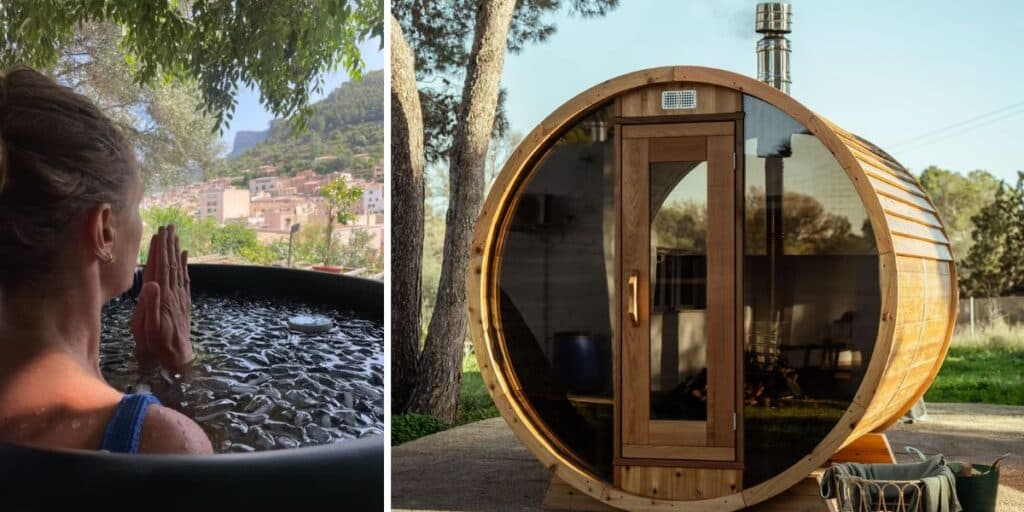
Ice baths go mainstream as wellness trend and recovery ritual
Ice baths are now a mainstream recovery ritual, but the strongest evidence still favors soreness relief and short-term stress or sleep gains over big wellness promises.
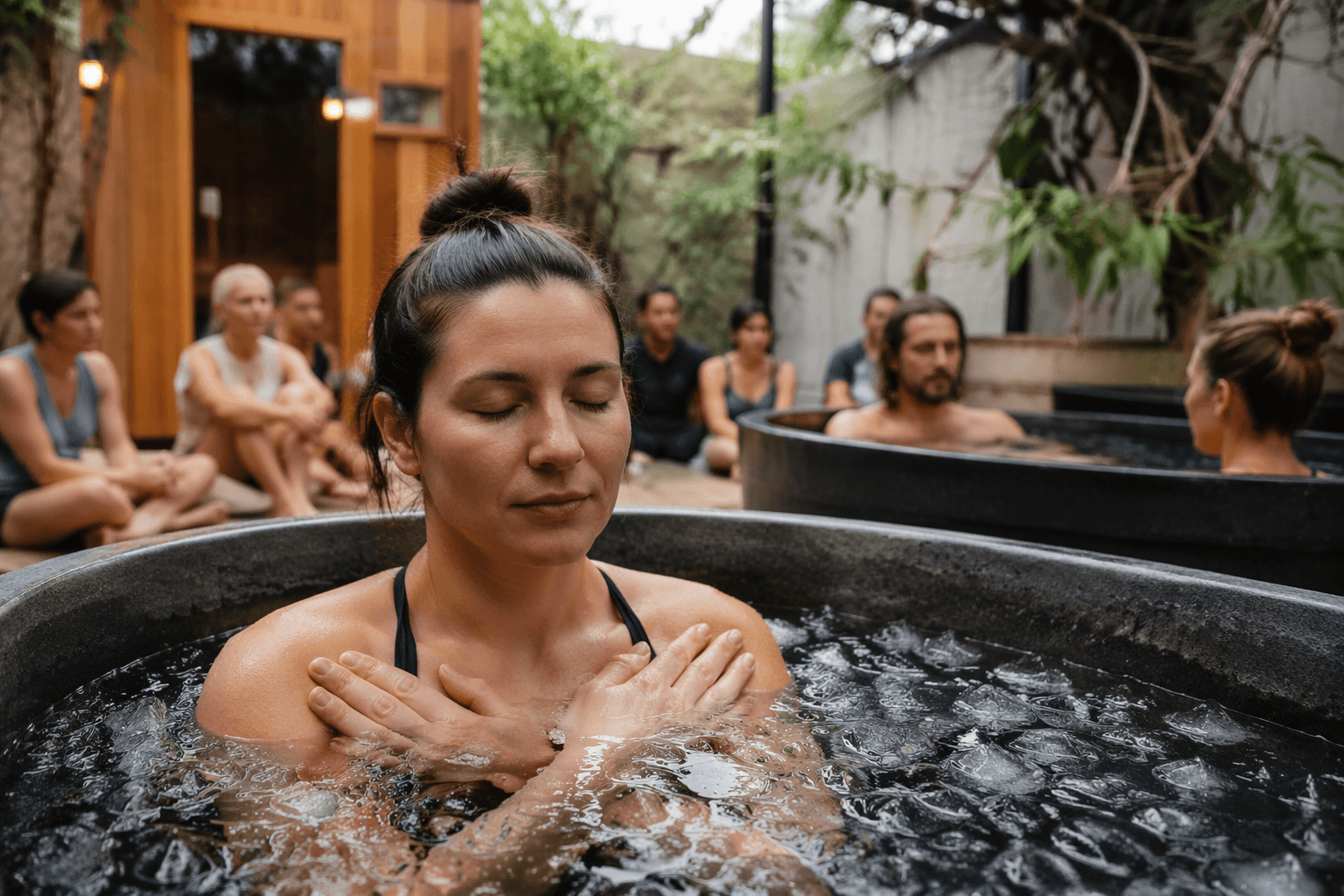
The cold plunge has slipped out of the athlete-only locker room and into boutique recovery studios, luxury spas, and home wellness routines that are built for social media as much as for soreness. That shift matters because ice baths are no longer just a fringe dare, they are a visible consumer habit with a lifestyle identity of its own. The real story now is not whether the ritual is trendy, but which parts of the hype hold up and which ones still outrun the science.
From training tool to lifestyle ritual
For years, ice baths belonged to the end of brutal training sessions, the kind of recovery move associated with people who already had a serious reason to suffer through the cold. Now the appeal is broader and stranger in a very modern way: the plunge is simple, dramatic, and easy to film, which makes it perfect for TikTok, Instagram, and the new self-improvement economy built around visible habits.
That is why the boom has legs. Cold plunging sits at the intersection of sports culture, wellness branding, and the desire for routines that feel both disciplined and restorative. It is tough enough to signal commitment, but packaged as something you can do before work, after a workout, or as part of a curated recovery circuit.
What the evidence actually supports
The strongest recent research comes from a systematic review and meta-analysis published in PLOS One on January 29, 2025, by University of South Australia researchers. It looked at randomized trials in healthy adults aged 18 and older who used cold showers, ice baths, or plunges at water temperatures of 15°C, or 59°F, or colder for at least 30 seconds. Across 11 studies and 3,177 participants, the review found potential time-dependent effects on inflammation, stress, immunity, sleep quality, and quality of life.
The most defensible benefit is still the one cold plungers have talked about for years: post-exercise recovery and reduced muscle soreness. The review also suggested cold-water immersion may help with short-term stress and sleep, which explains why the ritual has spread beyond athletes and into the broader wellness crowd. If you want the cleanest evidence-backed use case, it is recovery after hard training, not a universal fix for everything from fatigue to mood.
Where the hype outruns the data
This is the part that matters if you are trying to sort signal from marketing. The PLOS One authors said the evidence base is still limited by few randomized controlled trials, small sample sizes, and a lack of diversity in study populations. That means the science is promising, but it is not strong enough to justify the biggest claims floating around online.
Claims about immunity, illness prevention, or major longevity gains are not strongly supported. That does not make the practice useless, it just means the internet has been much faster than the evidence. Cold plunges may belong in a thoughtful recovery routine, but they are not yet a shortcut to better health in the way some brands or creators imply.
How to approach a plunge safely
If you want a practical starting point, begin with the actual conditions the research studied: a cold shower, ice bath, or plunge at 15°C, or 59°F, or colder, for at least 30 seconds. That is not a challenge to extend forever, it is the floor of what was examined in the review, and a good reminder that more extreme is not automatically better.
The safety warnings around cold water are real and specific. The American Heart Association says sudden cold-water immersion can trigger a cold-shock response that rapidly increases breathing, heart rate, and blood pressure. The Centers for Disease Control and Prevention says immersion hypothermia develops faster than standard hypothermia and can happen in water below 70°F.
A conservative approach means keeping the ritual controlled, not theatrical. Cleveland Clinic describes cold plunges as potentially beneficial but not risk-free, and frames safety and supervision as important considerations. The National Center for Cold Water Safety, established in 2012, is another reminder that cold water has long been treated as a serious safety issue even if it now wears a wellness label.
- Keep the water within the range studied in the review, 15°C, or 59°F, or colder, and keep the first exposure brief.
- Do not treat the plunge like a test of toughness. The goal is recovery, not proving you can outlast your nervous system.
- Be especially cautious if you have cardiovascular disease, and avoid the practice if you have heart rhythm abnormalities, which Harvard Health flags as a clear reason to stay out.
- Pay attention to the cold-shock response risk before you build a routine around it, especially if you are new to cold water.
Why the boom keeps growing
The reason ice baths keep moving into the mainstream is that they are easy to package as both performance and identity. A plunge can be recovery, ritual, content, and status object all at once, which is a powerful combination in a wellness market that rewards habits people can see. That does not make the practice magical, but it does explain why it has traveled so quickly from elite sport into everyday self-care.
The best version of the trend is the simplest one: use cold water as a tool for recovery, respect the limits of the evidence, and treat the safety warnings as part of the ritual rather than an asterisk. That is how the ice bath becomes something more durable than a passing obsession, and less reckless than the hype machine wants it to be.
This article was produced by Prism’s automated news system from verified source data, official records, and press releases, then run through automated quality and moderation checks before publishing. The system is built and supervised by the people who set the standards it runs under. Read our full AI policy.
Know something we missed? Have a correction or additional information?
Submit a Tip