Ice baths may ease soreness, but safety risks remain
Cold plunges can trim soreness and reset readiness, but the same shock that makes them effective can also make them risky if you mistime them.

A systematic review of post-exercise cold-water immersion that pulled together 20 studies published between 2002 and 2022 found delayed onset muscle soreness fell by about 20 to 30 percent. Ice baths have a real place in recovery, but only as a tool with a job to do. Cold water can help after a hard block, a tournament, or a day stacked with sessions, yet it is not a blanket fix for better health, better performance, or better training gains. The trick is knowing when the plunge helps, when it gets in the way, and when the safety trade-offs outweigh the payoff.
What cold water is actually doing
The basic physiology is straightforward. Cold water in the 50 to 59°F range, and cold-water immersion at 60°F or 15°C and colder, causes blood vessels to constrict during the plunge. Afterward, the body rebounds with vasodilation, the flush that moves oxygen-rich blood through tissues and helps clear metabolic waste.
That mechanism is part of why plunges feel so useful after a brutal workout. For the most part, the science does not support the broader wellness claims often attached to cold plunges, and researchers are still trying to pin down the best process and timing.
Where the recovery upside is real
The strongest practical case for ice baths is soreness control. That is enough to matter when you need to show up again the next day, which is why cold plunges keep their following after hard training blocks, tournaments, and multi-session days.
The research base is broad but still unsettled. A 2026 PubMed-indexed review comparing cold-water immersion with body cryotherapy included 13 randomized controlled trials and 214 participants. The field is active, and the sample sizes and mixed findings leave the best protocol unsettled.
Timing matters more than hype
Cold exposure is not equally useful in every training context. Endurance athletes often gain the most from an immediate post-workout plunge because the priority is short-term recovery and getting back to work quickly. For lifters, especially anyone chasing strength or size, the advice changes fast.
Strength athletes are generally better off waiting four to six hours after lifting before getting into cold water, so the plunge does not blunt the signaling that supports hypertrophy. A 2018 systematic review captured the ongoing debate: cold-water immersion may help single-session recovery, but in longer training blocks repeated post-resistance cold exposure may reduce long-term muscle growth by 10 to 20 percent if it interferes with the very changes you are trying to build.
A practical schedule beats daily ritual
That is why cold plunges work best as a tactical recovery input, not as an every-day badge of commitment. A lot of practical routines keep use to two to four sessions per week, usually tied to the hardest training days or to a specific recovery stretch. That keeps the tool available when soreness is the problem, without turning every session into a cold-water reflex.
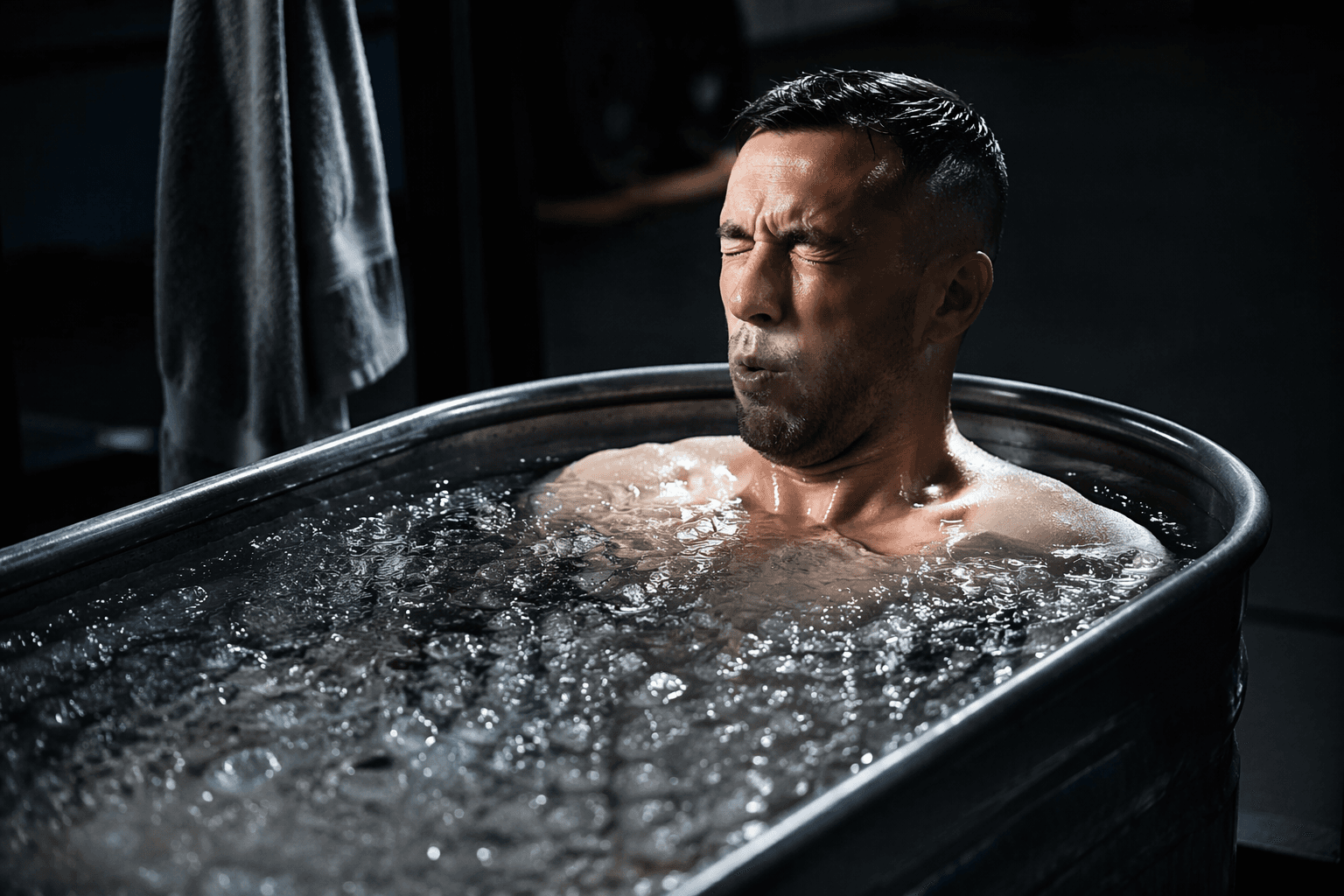
Mayo Clinic’s recovery guidance starts users at 30 seconds to one minute and gradually builds toward five to 10 minutes at a time. That range gives you enough exposure to feel the effect without turning the plunge into a test of endurance, and it keeps the focus on recovery rather than on how much punishment you can tolerate.
A useful way to think about the plunge is this:
- Use it after hard blocks, tournaments, or double-session days when soreness is the main limiter.
- Use it when you need to feel ready for the next bout of work, especially in endurance-heavy periods.
- Delay it after lifting if your main goal is muscle growth or strength adaptation.
- Keep the duration modest and build slowly instead of chasing the numbest possible finish.
Safety is not a side note
The cold shock is part of the appeal, but it is also the biggest risk. The American Heart Association warns that sudden immersion in water under 60°F can be dangerous and, for some people, life-threatening. The National Center for Cold Water Safety warns that cold shock from sudden immersion in water under 60°F can kill a person in less than a minute.
Anyone with cardiovascular risk deserves extra caution, and so does anyone tempted to treat cold water like a harmless wellness trend. The first minute matters most, because the shock response can be abrupt and severe long before the recovery benefits even begin to show up.
The right use case, not the wrong promise
The cleanest way to use an ice bath is to match it to the problem in front of you. If the problem is soreness, readiness, or a mental reset after a demanding session, cold immersion can be a smart move. If the problem is long-term strength gains, muscle growth, or a casual belief that more cold is always better, the plunge can be mistimed or counterproductive.
This article was produced by Prism’s automated news system from verified source data, official records, and press releases, then run through automated quality and moderation checks before publishing. The system is built and supervised by the people who set the standards it runs under. Read our full AI policy.
Did this article answer your question?