MD Anderson guide explains cold plunging benefits, risks and safe starts
Cold plunging may help recovery, but heart risk, breathing control and a slow first session decide whether it belongs in your routine.
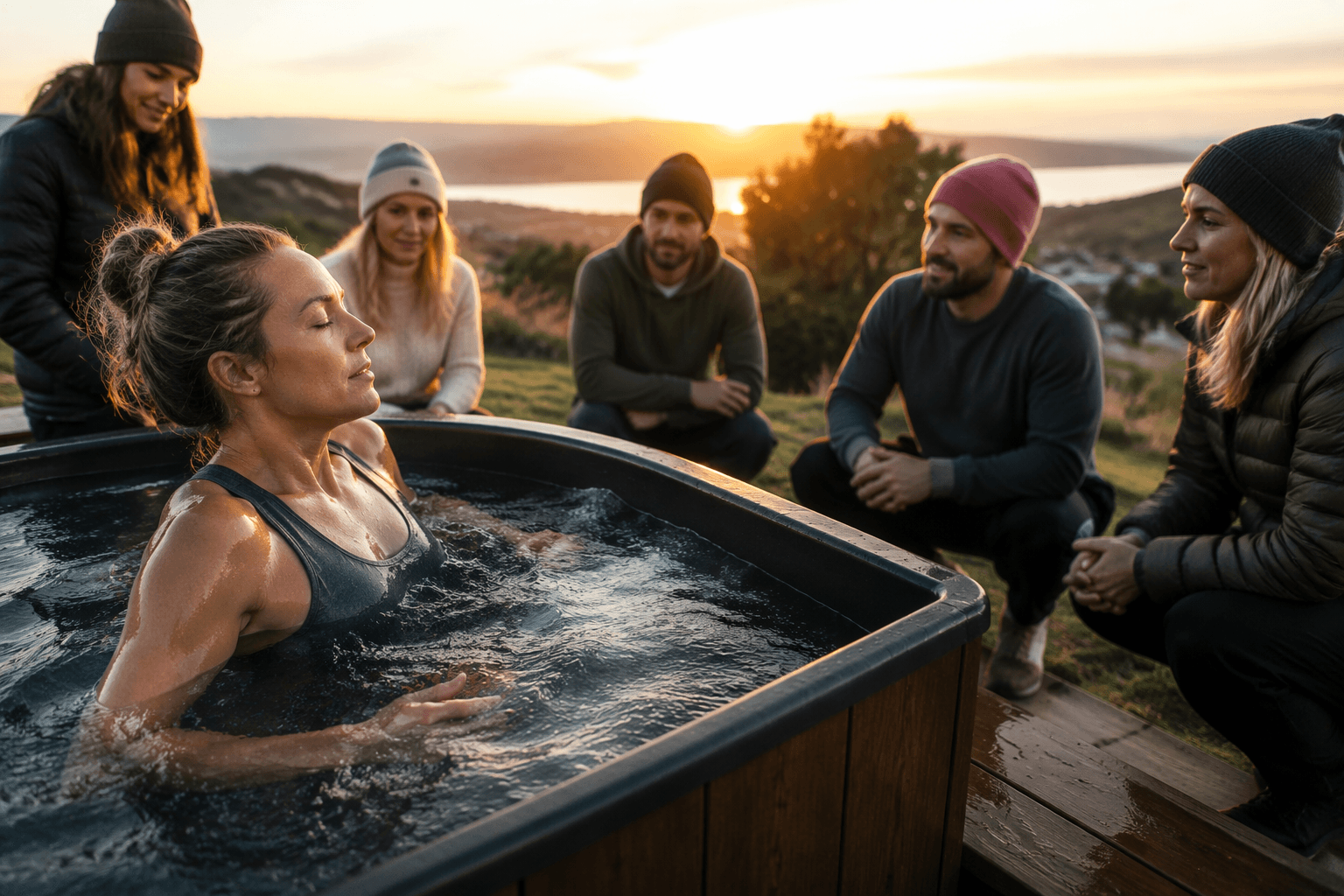
Sudden cold-water immersion can trigger involuntary gasping and rapid breathing, which adds strain right when you are least prepared for it. If you have heart disease, arrhythmias or any history of trouble with sudden stress, cold plunging is not a casual wellness add-on. UT MD Anderson Cancer Center advises asking who should try it, who should skip it, and how to step into very cold water without making the first session the risky part.
Who should try it, and who should stay out
Cold plunging makes the most sense if you are looking for a short-term recovery tool, not a magic fix. The American College of Sports Medicine identifies exercise recovery as the strongest use case in the research, and cold water immersion has been studied far more than most other cryotherapy methods. Even there, the benefit is specific: the 2023 meta-analysis in Frontiers in Physiology found improvements in fatigue recovery and exercise performance in some settings, not a universal upgrade for every body and every workout.
The practice is a poor fit for anyone with cardiovascular disease or arrhythmias unless a clinician has weighed in. The American Heart Association warned on Dec. 9, 2022 that sudden cold-water immersion can trigger dangerous cardiovascular reactions.
- Skip a plunge, or get medical clearance first, if you have heart disease.
- Be especially cautious if you have an arrhythmia or a history of rhythm problems.
- Do not treat a first exposure like a stress test for endurance or toughness.
- Get out immediately if breathing turns into gasping or rapid, uncontrolled panting.
What the evidence actually supports
The evidence is real, but it is narrower than the hype. A systematic review and meta-analysis on cold-water immersion and health and wellbeing found a field that is still developing, with results depending on exposure method, duration and the people being studied. A plunge that helps one athlete recover from a hard session does not automatically translate into better long-term health, better mood or stronger resilience for everyone else.
In 2024 and 2025, major health systems including Cleveland Clinic, Mayo Clinic Health System, Harvard Health, Dartmouth Health, University of Utah Health, UF Health Jacksonville and UPMC all published patient-facing cold-plunge explainers.
Why the safety warnings are not overblown
The Wilderness Medical Society’s 2024 clinical practice guideline recommends whole-body ice-water or cold-water immersion as soon as it can be done safely for exertional heat stroke. Hypothermia, defined in medical literature as a core body temperature below 35°C, or 41°F, is a real risk when exposure goes too far.
Cold shock is not the same as ordinary discomfort. If your first reaction is involuntary gasping, a racing breath pattern or a panicked urge to bolt, that is your body telling you the session is too aggressive for a first try.
What a safer first plunge looks like
Treat cold water as a physiological stressor, not a rite of passage. Keep the setup simple, start gradually and stay close to a controlled environment rather than improvising in a random tub, lake or backyard barrel. The goal is to learn how your breathing and circulation respond before you ever think about longer exposures.
A practical first attempt should look like this:
1. Start with a short exposure rather than chasing time in the water.
2. Keep your breathing steady and deliberate before you enter.
3. Use supervision if possible, especially for the first session.
4. Stop immediately if breathing becomes involuntary, you feel lightheaded, or you begin to lose control of the experience.
5. Treat any sign of worsening cold stress as a reason to end the session, not push through.
This article was produced by Prism’s automated news system from verified source data, official records, and press releases, then run through automated quality and moderation checks before publishing. The system is built and supervised by the people who set the standards it runs under. Read our full AI policy.
Did this article answer your question?