Peak Saunas guide maps the science of contrast therapy cycles
Peak Saunas treats contrast therapy like a circuit: sauna, plunge, rest, repeat. The real question is whether that exact loop is smart, safe, and worth doing at home.
The protocol is the point, not the bravado
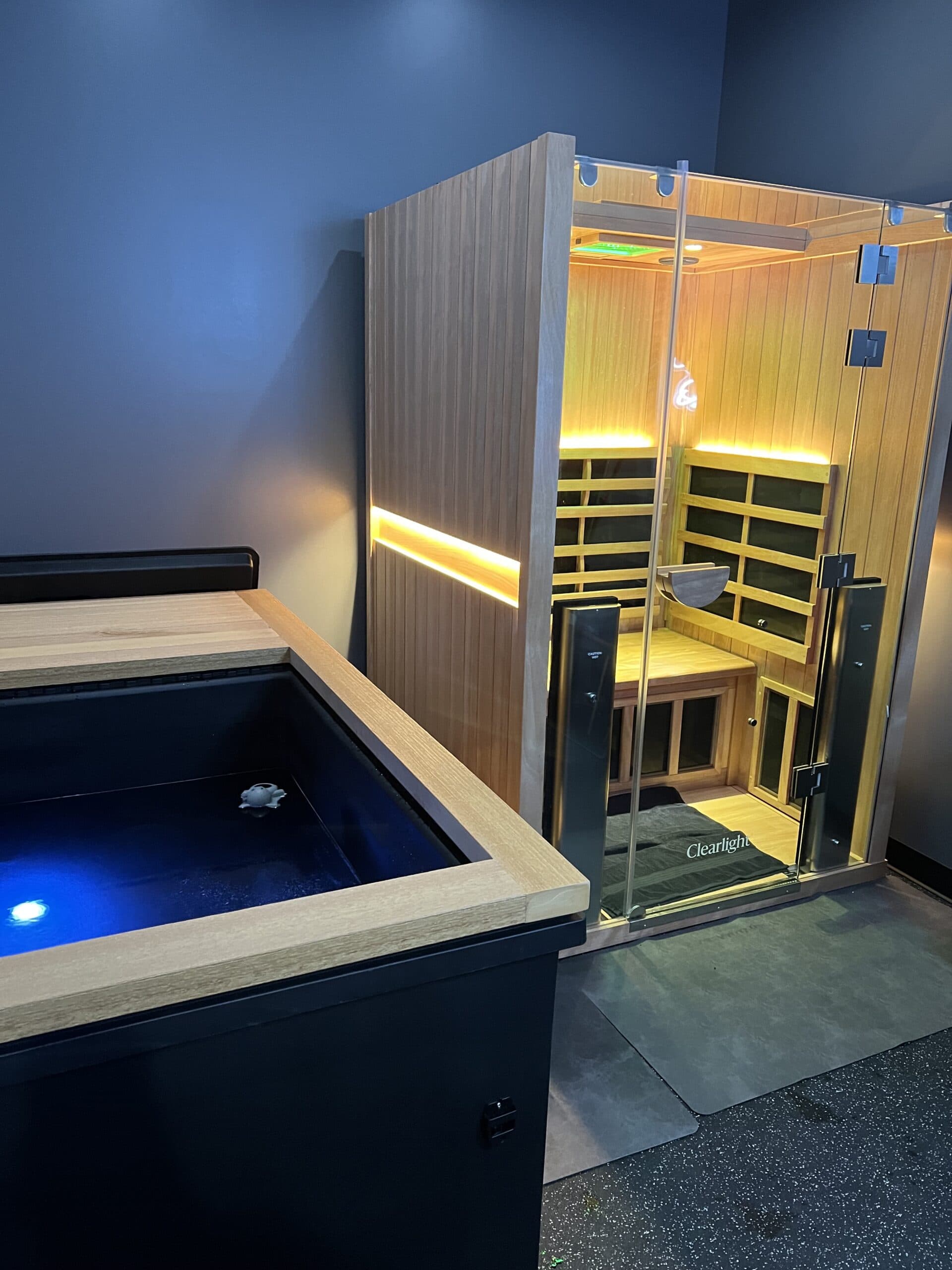
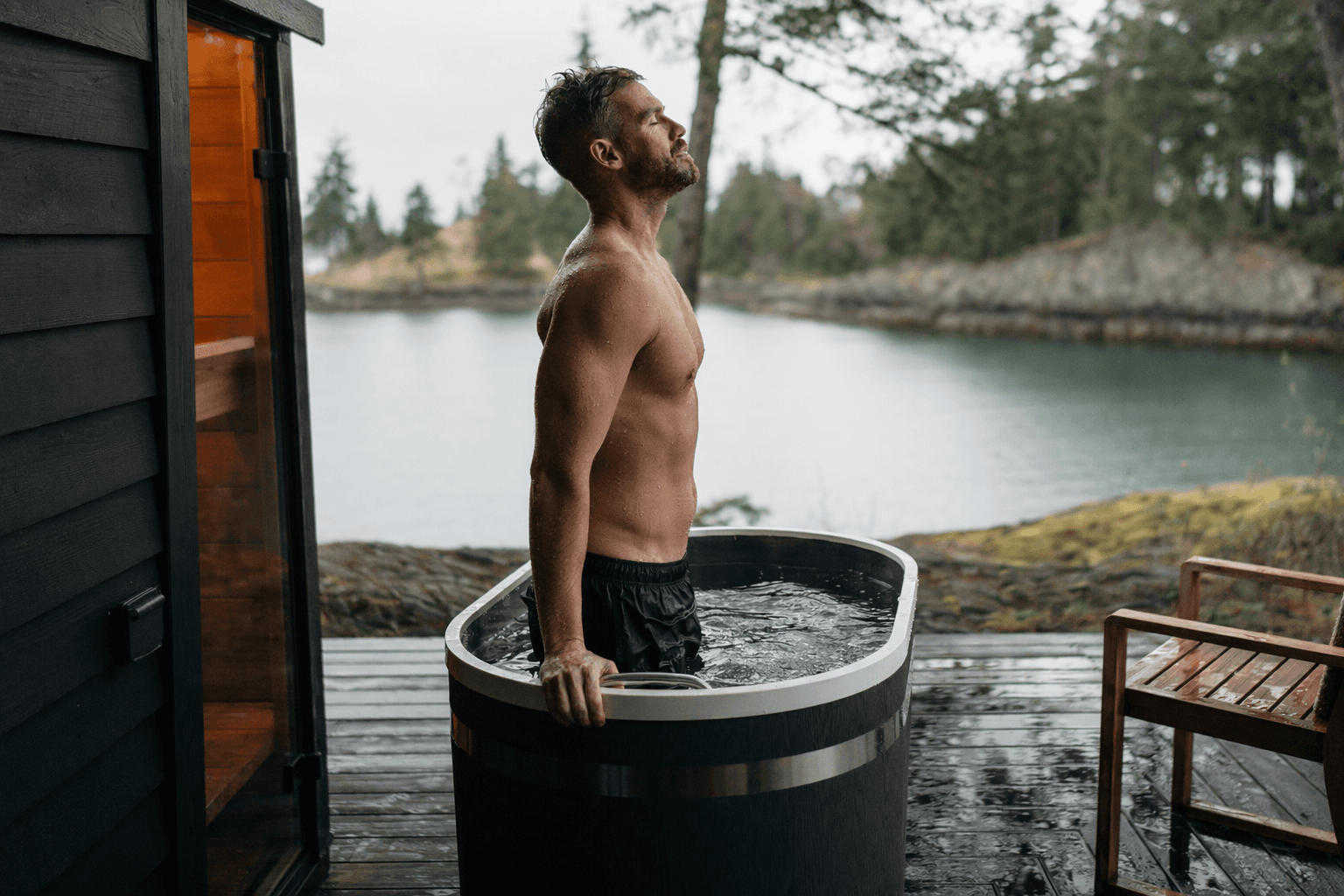
Peak Saunas is not selling contrast therapy as a vague wellness mood. Its guide turns the routine into a repeatable circuit: sauna for 15 to 20 minutes, cold plunge for 2 to 3 minutes, rest for 5 minutes, then repeat for two to three cycles, ending with cold. That structure matters because it shifts the habit away from chasing a harsher tub and toward controlling dose, timing, and sequence.
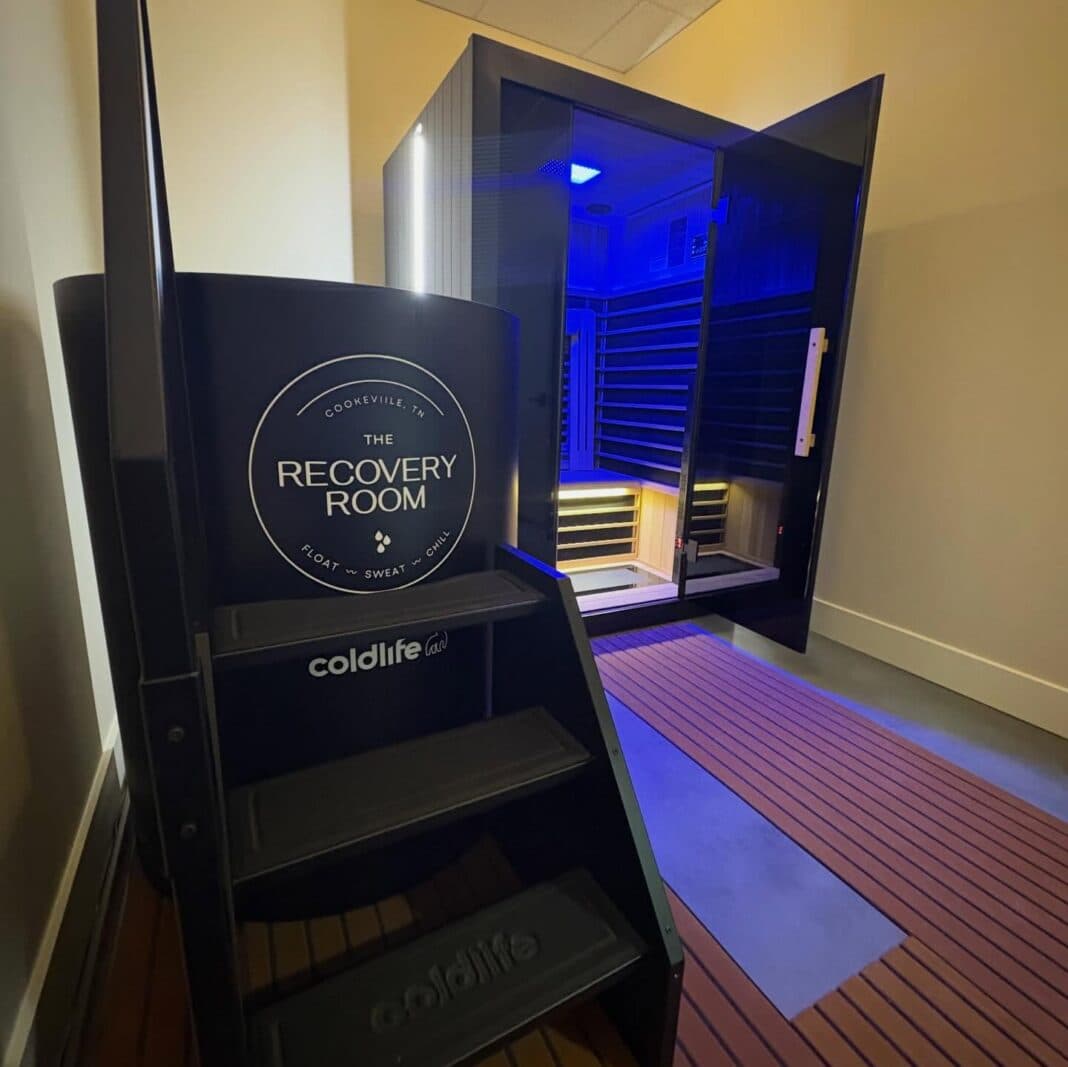
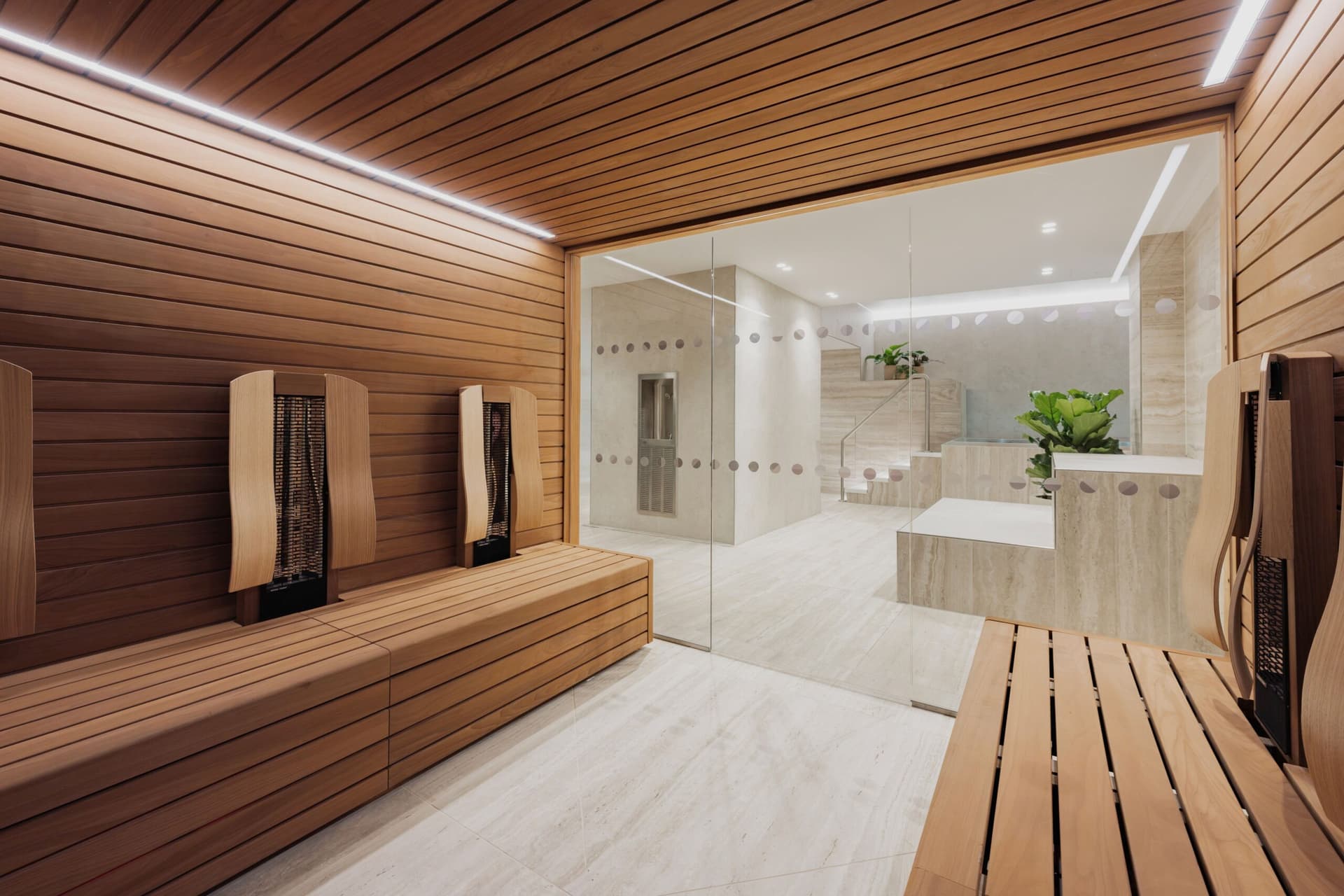
The logic is straightforward. Heat drives vasodilation, cold drives vasoconstriction, and moving back and forth creates a kind of vascular pump. Peak Saunas frames the combo, especially infrared sauna plus cold plunge, as a way to amplify the benefits of both through deliberate sequencing rather than random suffering.
Why the sequence feels so effective
The reason contrast therapy keeps winning converts is that the body gives you immediate feedback. Cold exposure can trigger a norepinephrine spike, while sauna heat contributes to endorphin release, which helps explain the familiar post-plunge rush. Repeated cold exposure also activates brown adipose tissue, the kind of fat that helps generate heat by burning energy through sympathetic nervous system pathways.
That is why the old ritual still feels new every time you do it. The sensations are dramatic, but the physiology is concrete: open vessels, tightened vessels, then the rebound. For a lot of people, that back-and-forth is the whole appeal, because it makes recovery feel measurable instead of mystical.
What the science says, and what it does not
The best argument for this protocol is not that it is magical, but that it is organized. Cold water immersion is widely used in sport recovery, and a 2023 Frontiers meta-analysis found that immediate post-exercise immersion can reduce muscle soreness and speed fatigue recovery. A 2025 systematic review in trained soccer players still said the evidence supporting effectiveness remains limited, which is a useful reminder that popularity outruns certainty in this space.
Sauna evidence is similarly mixed. Harvard Health reports that a recent review found no major improvements in most common cardiovascular measures from sauna use, though systolic blood pressure may fall modestly. Put together, that means the contrast stack is best understood as a practical recovery ritual with plausible benefits, not a cure-all.
The cultural story helps explain why it spread so easily. Sauna culture in Finland is on UNESCO’s intangible cultural heritage list, and Finnish heritage officials say it is deeply woven into everyday life. National Geographic traces Finnish sauna traditions back to Stone Age-era pits and describes them as central to winter survival and later home life. Peak Saunas is really modern packaging for a habit that already had deep roots in Scandinavia, Japan, and Russia.
Should you follow this exact sauna-to-ice cycle?
Yes, if you want a structured, moderate protocol instead of improvising in the tub. The 15 to 20 minute sauna block and 2 to 3 minute plunge are not extreme numbers, and the 5 minute rest makes the circuit repeatable instead of chaotic. The real strength of the guide is that it treats contrast therapy like a dose you can repeat, not a test you have to win.
But the sequence is only worth following if you can keep it disciplined. Adding extra minutes because the water feels impressive is exactly the wrong instinct. So is assuming that colder always means better. In contrast therapy, the win is consistency, not escalation.
Mistakes to avoid
- Treating the plunge like a dare instead of a timed dose.
- Extending the cold just because you can tolerate the shock.
- Skipping the rest interval and turning the session into a sprint.
- Using unsafe water sources such as rivers, which Mayo Clinic Health System warns against because of currents.
- Ignoring medical risk, especially if you have cardiovascular issues or other conditions that make sudden cold exposure riskier.
The cold part deserves special respect. The National Weather Service warns that sudden immersion can trigger gasping and rapid breathing, which raises drowning risk. The Royal Yachting Association says cold shock peaks fast and can last 2 to 3 minutes, which lines up uncomfortably well with the plunge window in Peak Saunas’ protocol. That is the part to take seriously: the first minutes are not for proving toughness, they are for staying controlled.
Who this is actually for
This protocol makes the most sense for people who already use heat and cold with some regularity, want a recovery ritual they can repeat, and have access to a safe setup. It also fits the current mainstreaming of cold exposure, which Mayo Clinic credits in part to Wim Hof, whose public profile helped move icy plunges from a once-a-year New Year’s pastime into a broader health and fitness trend. Harvard Health notes that cold plunge pools now show up in gyms, wellness resorts, and hotels across the United States, which is exactly the kind of environment where a fixed circuit becomes easy to sell and easy to follow.
If you are new, the appeal is not that the session gets harsher. It is that the session gets cleaner. The best version of contrast therapy looks almost boring on paper, and that is the point: sauna, plunge, rest, repeat, finish cold, and leave before the ritual turns into improvisation.
Home setup or studio ritual
At home, the full protocol is realistic only if you can control temperature, timing, and safety. Mayo Clinic Health System says plunge water should be 50 F or colder, so a proper setup is not just a tub full of ice cubes and optimism. You also need a space that does not introduce current or other hazards, which is why a studio or spa often does a better job of making the circuit feel repeatable.
That is the commercial genius of the Peak Saunas framing. It turns contrast therapy into a service model with a beginning, middle, and end. And when the best cold-plunge routines are built around structure instead of ego, the whole practice starts to look less like a stunt and more like a habit you can actually keep.
Know something we missed? Have a correction or additional information?
Submit a Tip