3-Marker Labubu Challenge Turns 3D-Printed Figures Into Viral Art Contest
Madison and Abbey's 3-marker Labubu challenge, posted April 5, ignited dozens of copycat clips and put 3D-printed unpainted blanks back in collector demand.
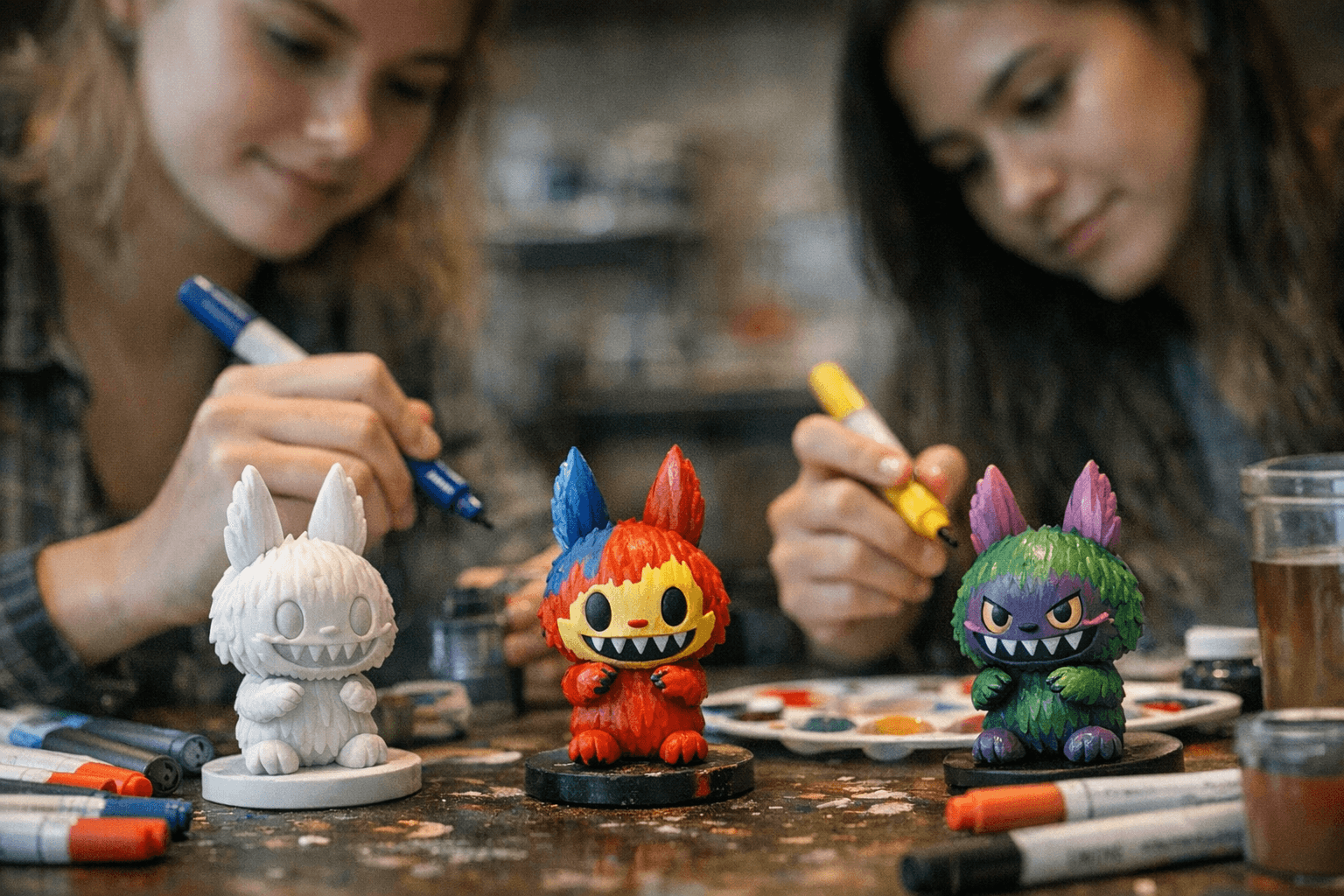
When Madison and Abbey posted their three-minute clip on April 5, the rules were almost insultingly simple: one 3D-printed Labubu figure, three markers, go. Five days later, the format has spawned dozens of variations across platforms, from speed-run edits to collaborative group streams, all riding the same algorithmic logic that makes short-form constraint challenges outperform polished tutorials in watch-time and shares.
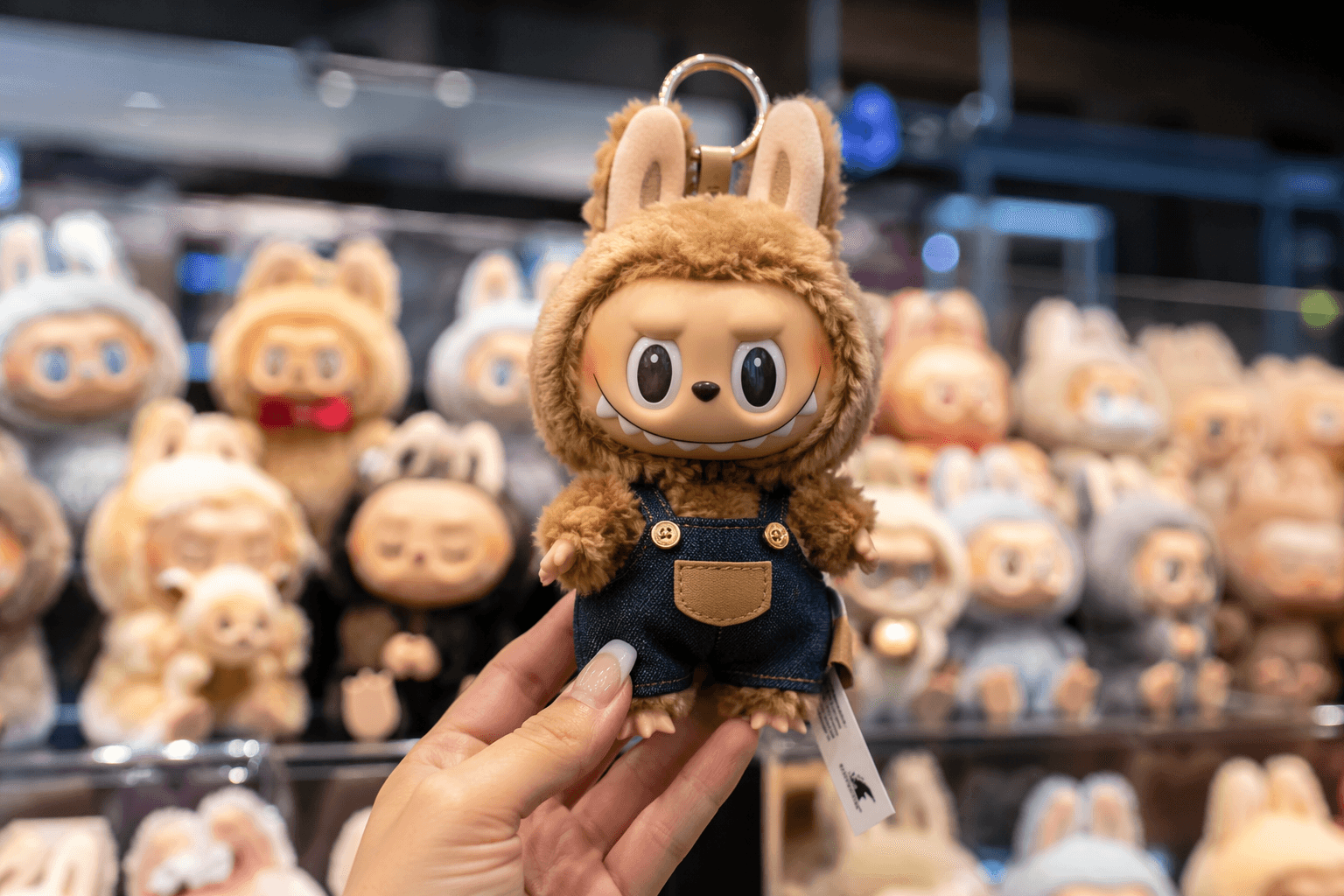
The three-marker cap is doing specific creative work here. Labubu's silhouette, those serrated multi-tooth grins, oversized pointed ears, and wide oval eyes, translates immediately on a phone screen even with minimal color application. Creators working with just three tones have to commit fast and choose boldly, which produces visually decisive results that hold attention in the first two seconds of a scroll. Deliberately messy parody entries compete alongside polished professional repaints in the same hashtag space, which keeps the barrier to entry low and the volume of responses high.
The 3D-printed blank is central to why this format landed when it did. Platforms like Cults3D currently host more than 2,600 free Labubu-tagged STL files, and MakerWorld saw some Labubu model pages accumulate nearly 20,000 downloads before Pop Mart's active IP enforcement push began reshaping what's available. Pop Mart filed a copyright lawsuit against Bambu Lab over unauthorized Labubu files hosted on MakerWorld, with trial proceedings scheduled for April 2. Bambu Lab has since removed Labubu-related files from its platform. That legal pressure has narrowed the field of freely available base files, which has simultaneously increased interest in the files that remain and nudged demand toward unpainted resin blanks that collectors can source through independent makers and Etsy shops operating in the fan-art grey zone.
The Madison and Abbey clip sits at the intersection of all of this: toy customization, 3D printing accessibility, and the short-form art-challenge format that platforms reward algorithmically due to its high novelty-to-effort ratio. Response clips ranged from polished custom repaints to intentional chaos, both categories accumulating views under the same challenge tag. The format also functions as a funnel. Creator activity at this scale typically precedes renewed secondary-market demand for specific Labubu sizes and variant styles, as collectors who discover the character through customization content circle back to original Pop Mart releases.
For anyone entering this space with commercial intent, the IP enforcement context matters. Pop Mart's court win in a prior 3D printing case awarded the company RMB 10,000 (roughly USD 1,380) in damages, a modest figure that nonetheless signals the brand's willingness to litigate. Selling printed figures based on unlicensed files carries real exposure; the challenge format itself, when kept to personal or non-commercial creative content, sits on firmer ground. That distinction is already shaping how the most visible participants are framing their entries, keeping the focus on the art and the constraint rather than the object as a product. The three-marker rule, it turns out, is the least limiting part of the format.
This article was produced by Prism’s automated news system from verified source data, official records, and press releases, then run through automated quality and moderation checks before publishing. The system is built and supervised by the people who set the standards it runs under. Read our full AI policy.
Did this article answer your question?