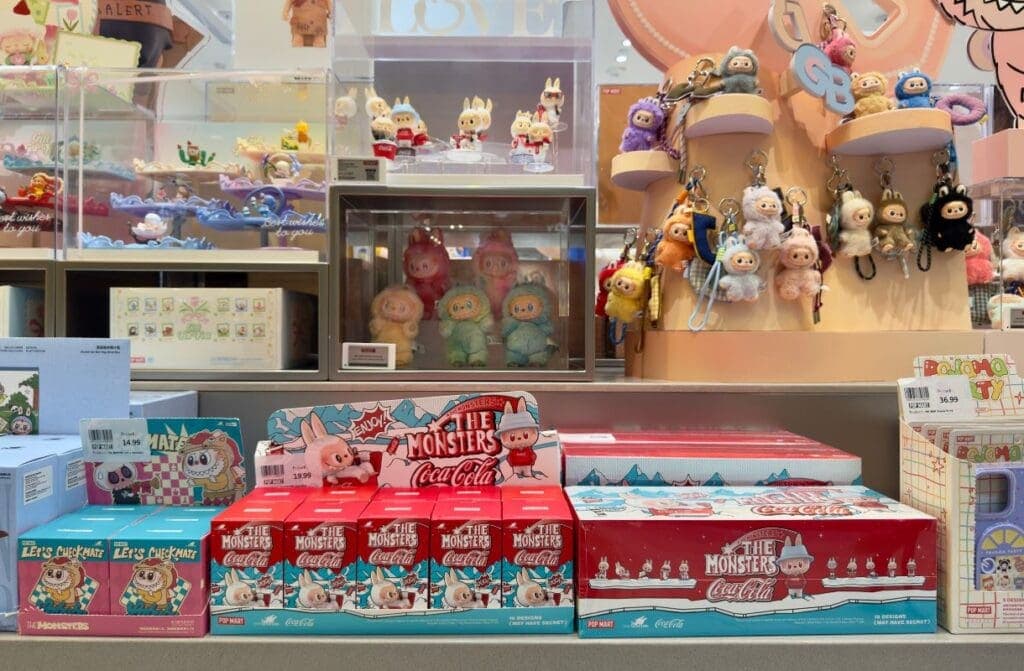
EU rejects Labubu trademark after BUBU opposition in Europe
EUIPO rejected Labubu's figurative mark after a BUBU opposition, splitting LABUBU into LA and BUBU for French-speaking consumers. Packaging and licensing in Europe may feel it.
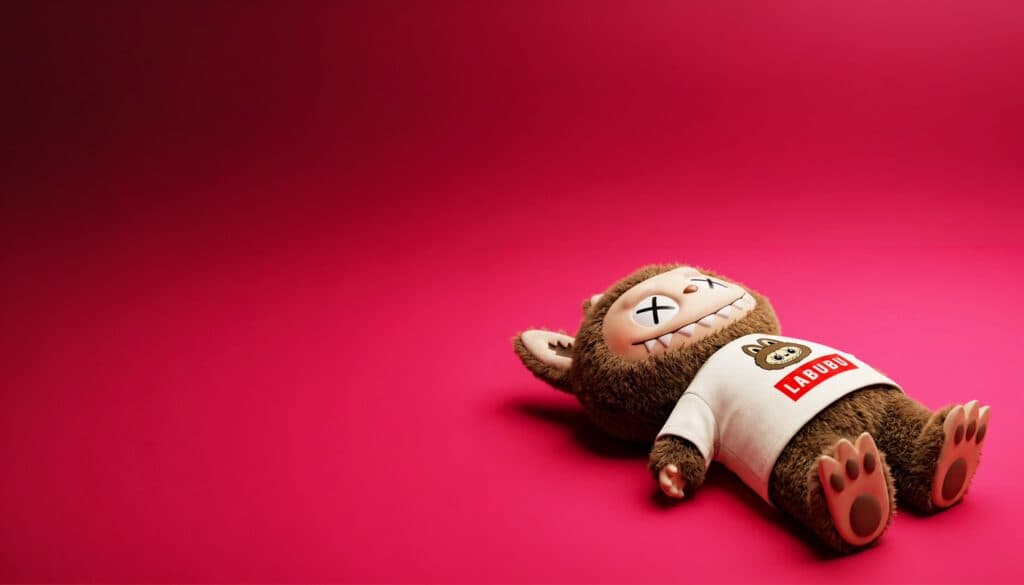
The Labubu name ran into a European trademark wall on May 29, when the EUIPO upheld an opposition and rejected the LABUBU figurative application in all classes of goods claimed. The challenge came from the owner of an earlier BUBU figurative mark, and the decision gives collectors a clear reminder that the character’s rise in Europe now depends on more than shelf appeal.
What made the opposition stick was not a finding that the artwork looked the same. The office said the signs were visually less similar than average, but it still found a risk of confusion, with particular attention to French-speaking consumers. The key reasoning turned on how LABUBU could be broken apart as LA plus BUBU. Because LA is an everyday French article with no distinctive character, the BUBU element carried more weight in the comparison.

That matters far beyond one filing. EUIPO opposition rules allow owners of earlier rights to challenge an application within three months of publication, and its guidance says figurative marks are judged as filed, including graphic elements and stylization. In practice, that means a character brand can be strong in culture and still run into an older regional right if the word element pulls too close to something already on the register. For Labubu, the result could shape how the name appears on packaging, how licensing is cleared, and how easily rights holders can push back against lookalikes in Europe.
The timing lands in a market where Labubu is already a major business, not just a fan favorite. Pop Mart International Group Limited reported 2024 revenue of RMB 13.04 billion, up 106.9% year over year, and its 2025 revenue reached RMB 37.1 billion, up 185% from a year earlier. At the same time, UK authorities said 259,000 counterfeit toys were intercepted at the border in 2025, and 236,000 of them were fake Labubu dolls. A Dutch court also reportedly issued an immediate ban in July 2025 over Labubu lookalikes sold by supermarkets.
For the Labubu community, the practical takeaway is simple: Europe is becoming a stricter test of what counts as official. When a trademark office treats BUBU as the dominant piece of the name, the fight shifts from cute chaos on the shelf to the legal scaffolding behind every blind box, retail launch and authenticity claim.
This article was produced by Prism’s automated news system from verified source data, official records, and press releases, then run through automated quality and moderation checks before publishing. The system is built and supervised by the people who set the standards it runs under. Read our full AI policy.
Know something we missed? Have a correction or additional information?
Submit a Tip