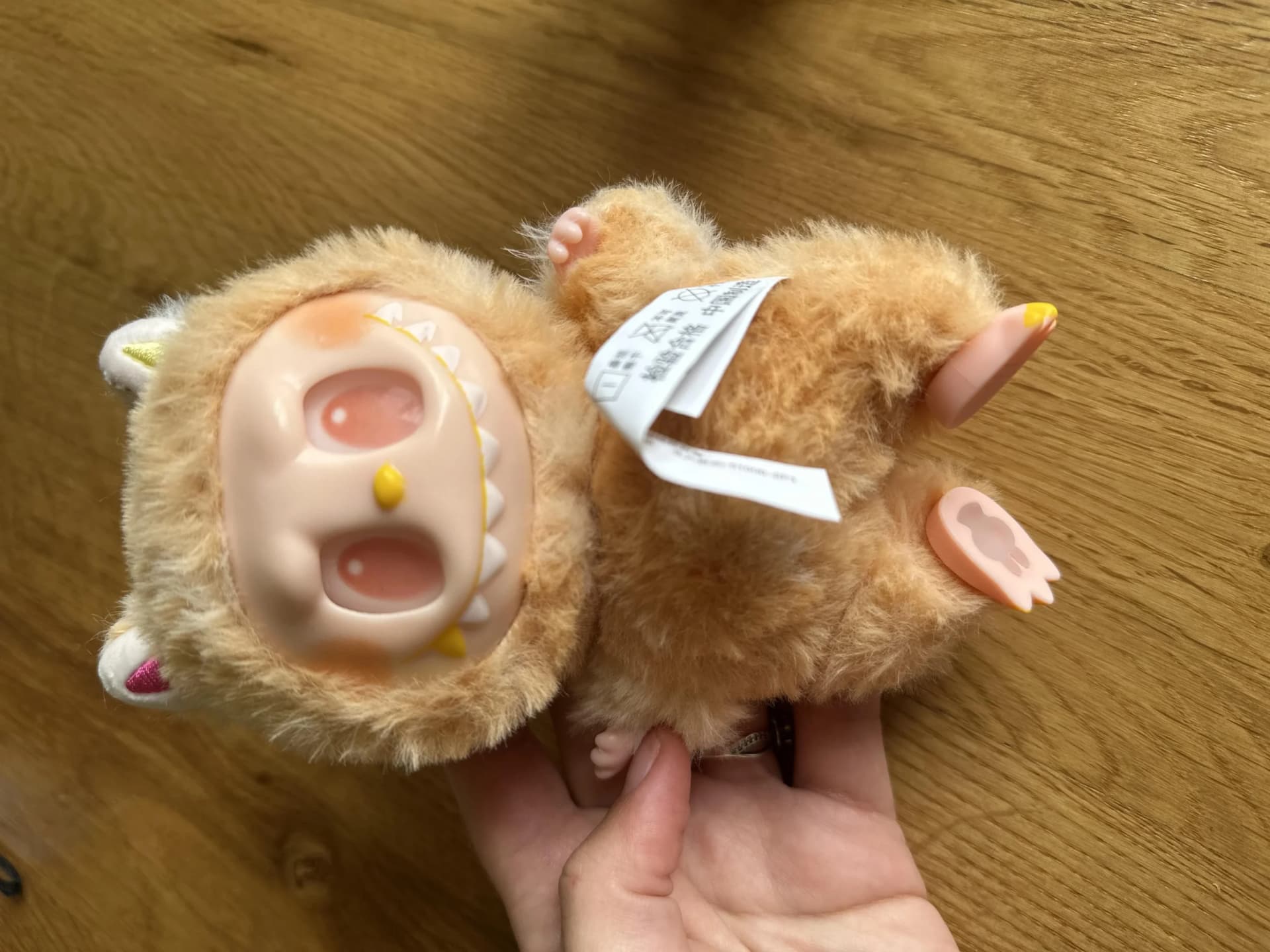
Huatai: Labubu share drops as Pop Mart diversifies, offline recovery lifts outlook
Pop Mart shares rallied after Huatai highlighted overstated online weakness, a maturing IP mix that cuts Labubu to 30–50% of revenue, and upside from retail and content expansion.

Pop Mart’s market narrative shifted after Huatai Securities published a note that identified three expectation gaps the market may be underestimating. The broker argued online weakness overseas is overstated once brick-and-mortar recovery and all-channel performance are included, that Labubu’s dominance is easing as new IPs push Labubu’s revenue share to a diversified 30–50% across markets, and that Pop Mart’s pivot toward an IP ecosystem - encompassing content, experiences, and physical retail expansion - is not fully priced in.
Shares rallied on January 20 following a combination of Pop Mart’s buyback disclosures and Huatai’s analysis. Huatai assigned a 2026 price-earnings multiple to the stock and flagged that recent pessimism may have opened a valuation window for long-term investors. The note foregrounded channel dynamics such as recent store adds in North America and an offline recovery in Southeast Asia as evidence that single-platform online metrics give an incomplete picture.
For collectors and secondary-market participants the note has practical implications. Labubu remains an anchor IP, but a 30–50% revenue share signals a broader product mix ahead. That means more shelf space for non-Labubu characters, different blind-box release schedules, and potential changes to chase ratios that influence secondary prices. Huatai flagged risk around secondary market price fluctuations; volatility in resale values could accelerate as new IPs find audiences and trading patterns shift.
Retailers and event organizers should note the emphasis on physical retail and experiences. Store openings in North America and improved foot traffic in Southeast Asia suggest local demand is rebounding, which supports more in-person drops, pop-ups, and collaboration events that benefit local communities. For independent stockists, tracking new store locations and regional product assortments will help align inventory with shifting consumer tastes.

Strategic execution remains the big caveat. Huatai highlighted the company’s need to successfully commercialize non-Labubu IPs and to coordinate content and experience initiatives. Failure to execute could widen the gap between investor expectations and operational reality, while strong execution would validate the view that Pop Mart is becoming a diversified IP ecosystem rather than a single-IP company.
What this means for you: monitor store openings and product mix by region, watch secondary-market price trends for early signs of IP rotation, and keep an eye on Pop Mart’s execution of content and retail plans. If the company continues to convert offline gains into stable, diversified revenue, the industry could see a broader portfolio of collectible hits beyond Labubu.
Know something we missed? Have a correction or additional information?
Submit a Tip